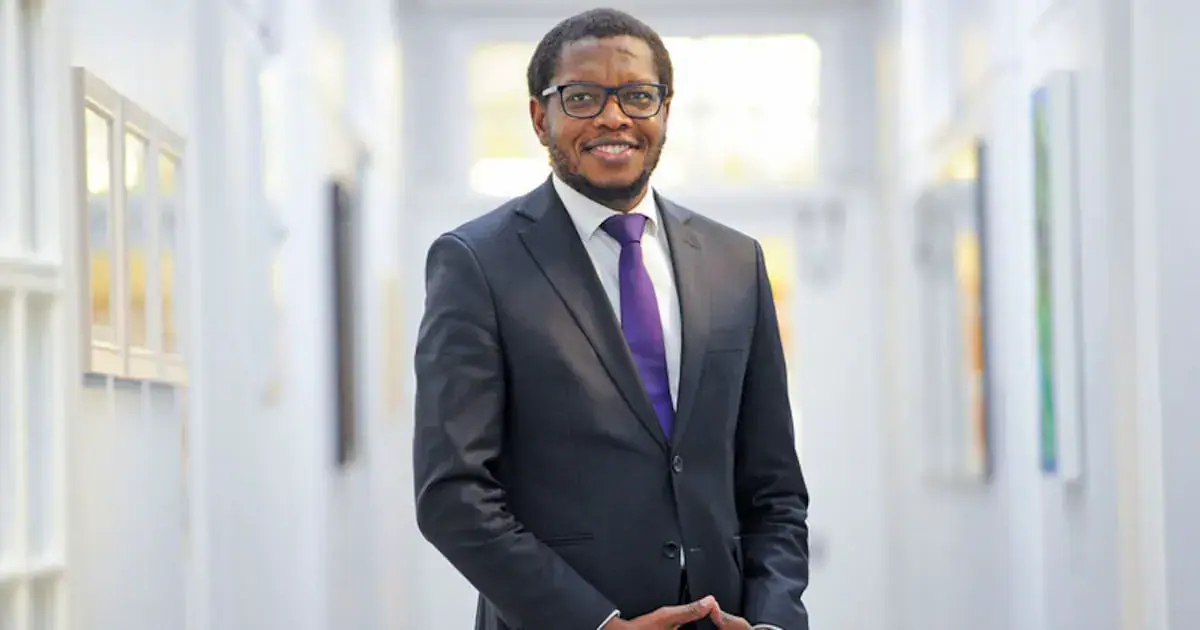
Governance and accountability at the University of Cape Town have come under scrutiny after vice-chancellor Professor Mosa Moshabela raised concerns about the disclosure of confidential information contained in reports commissioned by the university's council. The controversy follows council chair Norman Arendse's decision to make two reports by retired judges investigating complaints against council members public, before withdrawing them and apologizing to those negatively affected by their publication. Moshabela welcomed the withdrawal of the reports and the apology but warned that removing the documents could not undo the damage caused by information that may already have been read, downloaded or shared.
The reports followed a special UCT council meeting on October 18, 2025, at which members considered investigations into complaints lodged against certain council members by fellow members and people outside the governing body. According to a statement by Arendse, the complaints were lodged between March 15 and October 18, 2025, and included allegations of offensive behavior, omissions and non-disclosure of information during meetings, abuse of a social media platform and statements made at a public event. Council referred three complaints to retired Supreme Court of Appeal judge Malcolm Wallis and the remaining complaints to retired deputy president of the Supreme Court of Appeal judge Mahomed Navsa for independent investigation.
The reports found that only two council members had contravened the council's code of conduct. Navsa recommended that one member be expelled from council and that the other be suspended for six months. The reports were subsequently made public before being withdrawn. Council then issued a formal apology to individuals who had been negatively affected by their disclosure. Moshabela said one of the reports contained confidential information relating to the process that led to the appointment of Prof Mohamed Paleker as dean of UCT's Faculty of Law, including comments made during selection committee discussions and council deliberations.
Moshabela, who chaired the selection committee that recommended Paleker's appointment, said the dean had served UCT for 26 years and made significant contributions as a legal academic, scholar and practitioner. He said confidential deliberations about Paleker's appointment had entered the public domain in circumstances unrelated to any investigation into his conduct or suitability for office. Moshabela specifically addressed the inclusion of information about Paleker, stressing that the dean was not the subject of either investigation and that his appointment was not under scrutiny.
Moshabela said council had an important responsibility to be transparent about the university's governance, and that the university community had a legitimate interest in understanding how complaints against members of its governing body were investigated and what the findings were. However, he said transparency had to be balanced with the protection of confidential information and the people affected by its disclosure. Moshabela added that adequate safeguards, including careful redaction and consideration for those named in the reports, were necessary.
Questions have also emerged about the authority and process behind the publication of the reports and the subsequent apology. People familiar with the matter have alleged that council agreed the reports would be published only after those mentioned had been given an opportunity to comment, with their responses released simultaneously. They say neither condition was met. UCT spokesperson Elijah Moholola said communications issued by the chair on behalf of council were handled in accordance with established protocol, under which council members were neither notified nor involved in the approval process before publication.
A petition calling for Arendse to step down as UCT council chair has also been circulating, with more than 1,600 signatures reported. Meanwhile, UCT has defended its communications protocol, saying council members are not notified of or involved in approving statements issued by the chair on council's behalf before publication. The university will provide further information when appropriate, Moholola said, adding that the matter was under consideration within the university's appropriate structures.
Key points
- UCT vice-chancellor Prof Mosa Moshabela raises concerns over disclosure of confidential council reports
- Reports found two council members contravened code of conduct
- Petition calls for UCT council chair Norman Arendse to step down