The Universal Basic Education Commission, UBEC, has introduced a new digital platform, the Basic Education Action Plan Management System, BEAPMS, aimed at adopting a "whole school approach" for basic education development in Nigeria. This approach will enable states to identify and address all critical gaps in a school before their action plans can be approved by UBEC. The platform is designed to improve planning, transparency, and monitoring of basic education projects nationwide.
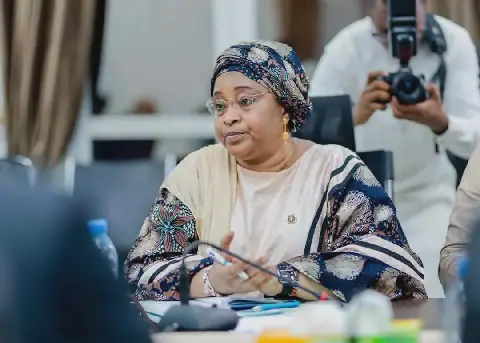
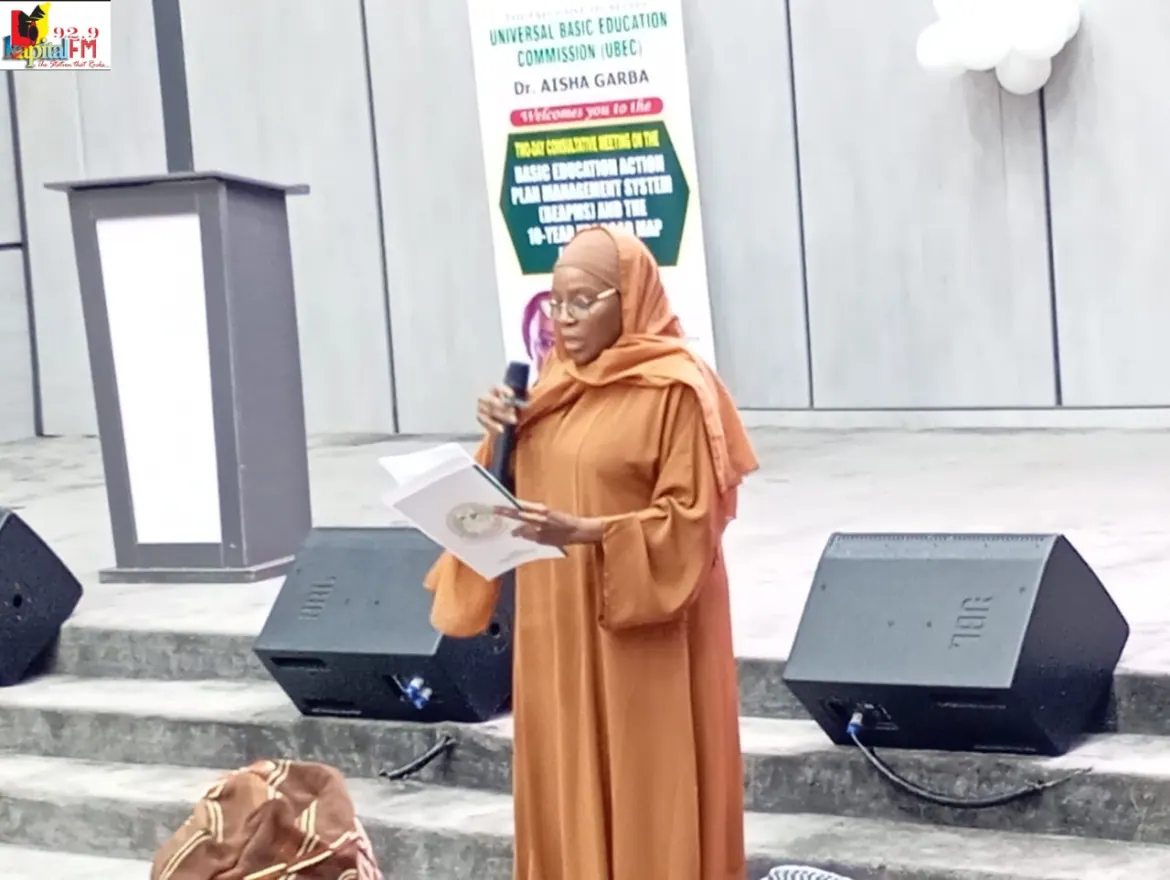
The Executive Secretary of UBEC, Dr. Aisha Garba, unveiled the new platform at a 2-day Consultative Workshop with chairmen of the 36 State Universal Basic Education Boards, SUBEBs, and UBEC directors in Abuja. According to Dr. Garba, the revised framework will support interventions such as enrolment materials and additional teachers where states identify increased enrolment as a priority. The new approach will require states to address all critical gaps in a school before their action plans can be approved.
The UBEC Executive Secretary also announced the readiness of the Commission to commence implementation of its 10-year Universal Basic Education Roadmap, 2026–2035, in the first week of October. This roadmap aims to replace the practice of implementing isolated infrastructure projects without addressing the broader needs of schools. The commission had introduced reforms to ensure that interventions are based on the comprehensive needs of individual schools rather than the provision of disconnected projects.
Dr. Garba explained that the previous matching grant formula had largely focused on new infrastructure, leaving some states unable to access funds because their priority was no longer the construction of new schools but the maintenance and improvement of existing facilities. To address this, a revision of the matching grant formula has been made to enable states to deploy UBEC funding according to their specific education needs.
The Executive Secretary emphasized that a "whole school approach" means taking a comprehensive look at a school's needs, rather than just providing isolated interventions. This approach will ensure that all critical gaps in a school are addressed, including facilities such as fencing, toilets, and classrooms. The revised framework will also allow parents and community members to track projects, funding, and quality of interventions.
The Dean of SUBEB Chairmen, Prof. Shehu Adaramaja, noted that the consultation was important for establishing a common direction for the delivery of basic education over the next decade. He emphasized that the meeting was designed as a hands-on exercise, with directors of research and statistics expected to actively participate in developing the framework that would subsequently inform their states' basic education action plans.
The UBEC intervention mandate is no longer limited to physical infrastructure, with other components now being incorporated to strengthen the delivery of basic education services. The new approach will ensure that interventions are based on the comprehensive needs of individual schools, and that states are able to deploy UBEC funding according to their specific education needs.
Key points
- UBEC introduces a new digital platform, BEAPMS, to improve planning, transparency, and monitoring of basic education projects nationwide.
- The commission commences implementation of its 10-year Universal Basic Education Roadmap, 2026–2035, to replace isolated infrastructure projects.
- A revised matching grant formula has been introduced to enable states to deploy UBEC funding according to their specific education needs.