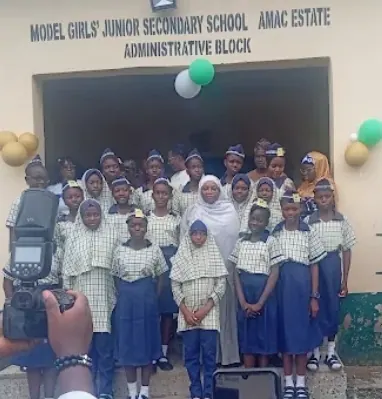
The Universal Basic Education Commission (UBEC) has embarked on a massive renovation project, upgrading 287 schools and over 4,000 classrooms across Nigeria. This initiative is part of a broader effort to transform learning environments, shifting focus from individual classroom projects to a comprehensive approach that includes essential facilities such as toilets, water supply, power, and administrative facilities.
According to UBEC Executive Secretary, Dr. Aisha Garba, the commission has adopted a whole-school approach to infrastructure development. This new strategy aims to ensure that schools receiving government intervention have the basic facilities required to provide a conducive environment for teaching and learning. The approach is designed to support the Renewed Hope agenda, which emphasizes the importance of education and aims to ensure all children are in school.
The UBEC boss stated that President Bola Tinubu's administration has prioritized education, mandating the commission to ensure schools are in a conducive environment for learning. Since the inception of this administration, UBEC has implemented various reforms within the education sector. The commission has also established minimum standards for new school infrastructure, requiring projects to provide essential facilities as part of an integrated development plan.
The minimum standards for new school infrastructure include perimeter fencing, security infrastructure, solar power, boreholes, adequate toilets and classrooms, administrative blocks, and playgrounds. UBEC is also incorporating computer and Information and Communication Technology (ICT) laboratories, as well as smart boards into school infrastructure. This is in line with the need to prepare Nigerian children for the demands of the 21st-century education system and global economy.
One of the beneficiary schools is the LEA/Junior Secondary School, Nyanya-Hausawa, which was found in a dilapidated condition. The school accommodates Early Childhood Care and Development (ECCD), primary, junior secondary, and senior secondary sections. The current intervention covers the renovation of three blocks containing about 30 classrooms and 48 toilets, alongside the provision of solar-powered boreholes.
In addition to physical infrastructure, UBEC has commissioned 74 digital learning centres as part of efforts to expand technology-based education. At the Model Girls’ Junior Secondary School, AMAC, one of the centres was commissioned, with Garba stating that over 2,000 digital learning centres had been established under the Tinubu administration. These centres are equipped with computers, smartboards, solar panels, and internet connectivity, providing online and offline learning content for teachers and students.
The renovation of the Nyanya-Hausawa school has significantly improved the environment and provided better facilities for pupils, students, and teachers. The Principal of the Junior School, Gideon Isah, commended UBEC for the renovation and appealed for the construction of an administrative block. The school community has employed security personnel to safeguard the renovated facilities against vandalism and assured UBEC that they would maintain the facilities and ensure their proper use.
Key points
- UBEC has renovated 287 schools and over 4,000 classrooms nationwide.
- The commission has adopted a whole-school approach to infrastructure development.
- UBEC has established minimum standards for new school infrastructure.