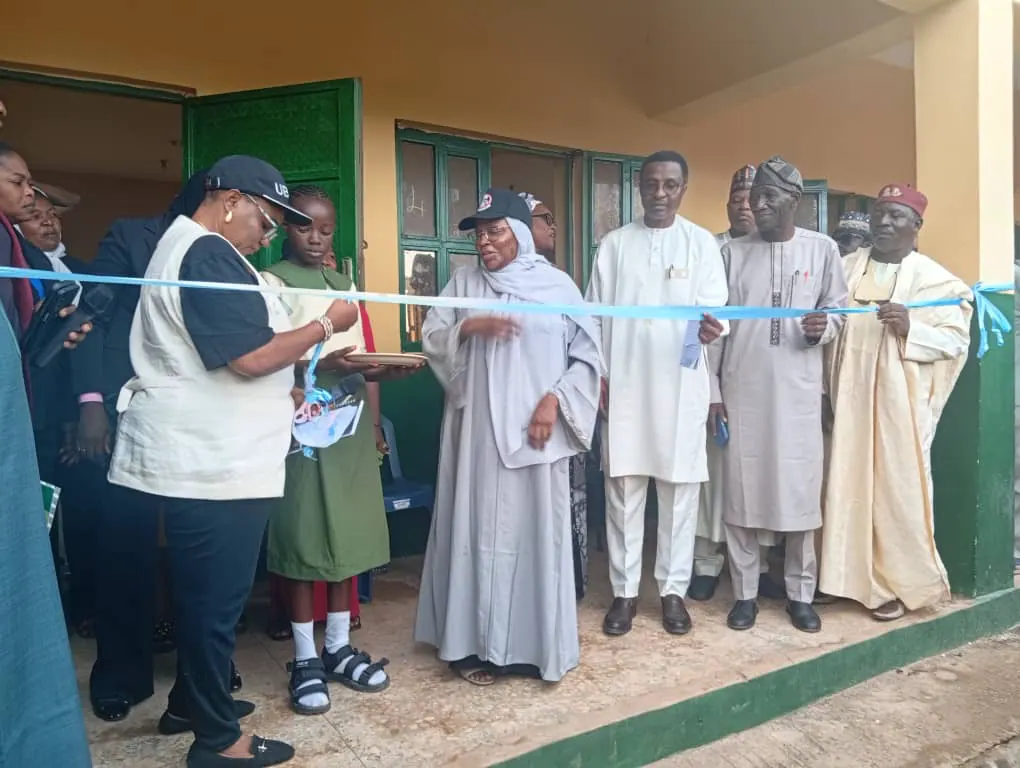
The Universal Basic Education Commission (UBEC) has embarked on a nationwide renovation of schools, with over 4,000 classrooms across 287 schools renovated so far. Additionally, the commission has established more than 2,000 digital learning centres to improve the quality of basic education through digital learning. This effort is part of UBEC's renewed commitment to addressing infrastructure gaps in basic education and creating a conducive environment for effective teaching and learning.
The Executive Secretary of UBEC, Dr. Aisha Garba, disclosed this in Abuja while inaugurating some of the projects at LEA Primary School and Government Junior Secondary School, Hausawa, Nyanya, and Model Girls’ Junior Secondary School in the Abuja Municipal Area Council. According to Dr. Garba, the rehabilitation project demonstrates UBEC's commitment to addressing infrastructure gaps in basic education and creating a conducive environment for effective teaching and learning under the Renewed Hope Agenda.
Dr. Garba explained that UBEC's simultaneous investment in digital learning and physical infrastructure reflects a broader strategy to give Nigerian children access to quality educational facilities and the tools required to thrive in contemporary learning environments. The commission has introduced a minimum standard for schools, which requires government interventions to adopt a whole-school approach. This approach involves assessing the comprehensive needs of schools, including classrooms, furniture, toilets, water, electricity, and security.
Under the new model, schools requiring intervention would have their needs assessed comprehensively, including classrooms, furniture, toilets, water, electricity, and security. Dr. Garba emphasized that any school that the government is going to renovate, whether it's federal, state, or local government, must follow that minimum standard. This move aims to ensure that all schools in Nigeria meet the required standards for effective learning.
The Acting Chairman, FCT UBEB, Mr. Nsu Rabo, expressed joy over the intervention that would benefit pupils, students, and teachers. He pledged effective monitoring and judicious use of the infrastructure. The principals of the beneficiary schools, Mr. Gideon Isah and Hajia Titilayo Yahaya, commended UBEC's commitment to providing the interventions, saying it would boost the morale of students and teachers.
The pupils expressed gratitude to President Bola Tinubu for the intervention brought to them through the leadership of the UBEC Executive Secretary and the two Ministers of Education. They noted that the renovation and provision of digital learning facilities had transformed their learning environment, providing them with seats and modern digital learning tools. For many pupils and students, the reforms represent more than construction work, but an attempt to transform their schools into a place where they can learn with dignity, safety, and hope for a better future.
The UBEC boss stated that under the Renewed Hope agenda, President Bola Tinubu has mandated the commission to ensure that all children, regardless of where they are, should be in school and that schools should be in a conducive environment for learning. Since the coming of this administration, UBEC has taken that directive seriously, investing in infrastructure and digital learning tools to achieve this goal. With these efforts, UBEC aims to provide Nigerian children with access to quality education and a brighter future.
Key points
- UBEC has renovated over 4,000 classrooms and established more than 2,000 digital learning centres nationwide.
- The commission has introduced a minimum standard for schools, requiring government interventions to adopt a whole-school approach.
- The reforms aim to transform schools into a place where pupils and students can learn with dignity, safety, and hope for a better future.