The Universal Basic Education Commission (UBEC) has initiated the full integration of digital literacy into basic education across Nigeria. This move aims to enhance the quality of teaching and learning in basic education schools. As part of this effort, UBEC has renovated over 3,000 classrooms to improve learning conditions and establish minimum standards for basic education infrastructure. This initiative complements the efforts of states and the Federal Capital Territory (FCT) in delivering basic education.
The renovation works were necessary to address the infrastructural deficiencies in schools, particularly those in remote and forested areas. UBEC's Director of Physical Planning, Arch Nura Ibrahim, explained that the commission carried out a condition assessment to determine the extent of work required in targeted schools. The assessment revealed that some buildings were completely defective, with cracked beams and fallen parts, making them unsafe for use.
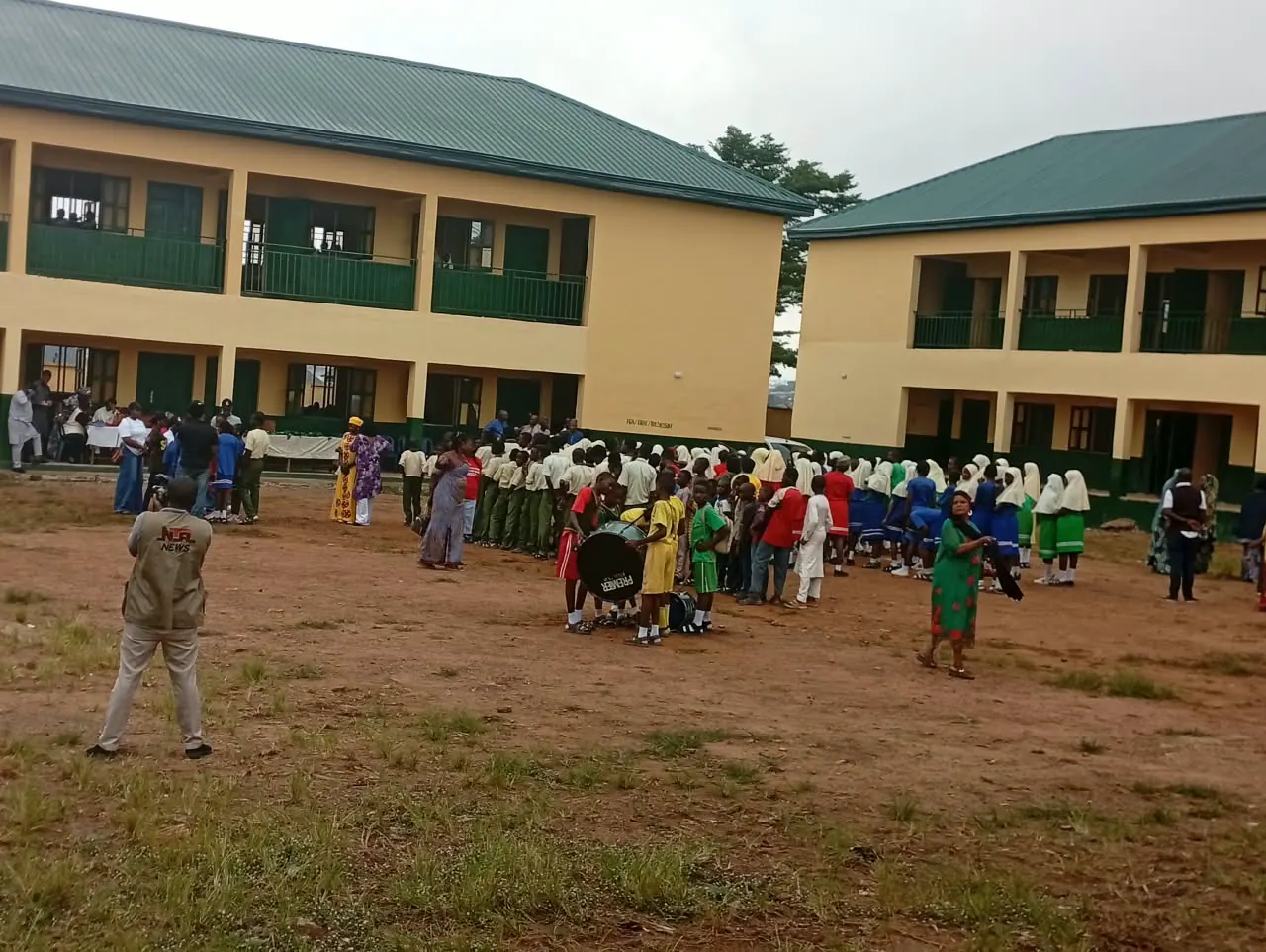
UBEC's Executive Secretary, Dr. Aisha Garba, disclosed this information during an inspection tour of some schools in Abuja where the intervention has been effected. The tour took the UBEC team to Primary and Government Junior Secondary School, Nyanya Hausawa, and Model Girl’s Junior Secondary School in the Abuja Municipal Area Council of the FCT. Garba emphasized that the idea behind the projects was to move away from constructing isolated classroom blocks to developing complete school facilities equipped with essential infrastructure.
The Digital Learning Centres, established under this initiative, are technology-enabled learning facilities designed to expand access to digital education. These centres are equipped with ICT devices, digital learning resources, internet connectivity, and other supporting infrastructure. This setup provides an enabling environment for teachers and learners to access and effectively use technology for educational purposes.
Going forward, new projects under UBEC will be required to provide complete facilities rather than isolated blocks of classrooms. This includes a whole school with a fence, security measures, solar power, borehole, enough toilets and classrooms, an administrative block, and a playground for students. Additionally, UBEC aims to ensure that schools have the minimum technology, such as computer laboratories, ICT laboratories, or smartboards, to enable students to compete in 21st-century education and the global economy.
The renovation works align with the Federal Government’s Renewed Hope Agenda, which aims to strengthen digital literacy and competencies among teachers and learners. The agenda also seeks to improve access to relevant educational resources and promote the use of technology for more engaging, interactive, and effective teaching and learning. The Principal of the renovated Nyanya Hausawa school, Gideon Isah, described the commissioning of the renovated facilities as a historic occasion, recalling the poor condition of the school before the intervention.
The intervention has significantly improved the learning environment for students. Prior to the renovation, some pupils were forced to sit on bare floors due to a lack of chairs. With the renovation and equipping of schools, UBEC is creating conducive environments for learning, ensuring that all children, regardless of their location, have access to quality basic education. This initiative is part of UBEC's mandate to ensure that all children are in school and have access to a conducive learning environment.
Key points
- UBEC has renovated over 3,000 classrooms to improve learning conditions and infrastructure in basic education schools.
- The commission has integrated digital literacy into basic education to enhance the quality of teaching and learning.
- New UBEC projects will provide complete school facilities equipped with essential infrastructure, including technology, to support 21st-century education.