Nigerian banking giant, United Bank for Africa (UBA), utilized the 81st Session of the United Nations General Assembly (UNGA 81) to advocate for regulatory reform, trade finance, and sub-national investment in Africa. Led by its Group Managing Director, Oliver Alawuba, UBA hosted and attended several high-level side events at its American headquarters in Manhattan. The bank positioned itself as a key player in promoting business diplomacy and investment in Africa.
At the Forward Africa Leaders Symposium held at the Harvard Club, Alawuba highlighted the challenges posed by regulatory fragmentation across the continent. He described Africa as "a big building with 54 rooms and each room has big walls," referring to the differing central bank regulations, foreign exchange controls, and licensing regimes. Alawuba emphasized that this regulatory complexity hinders intra-African trade and capital flows, even for a pan-African bank like UBA with a presence in 20 African countries and approximately $30 billion in assets.
UBA is pioneering a payment platform with several countries to address the dollar-intermediation problem, which Alawuba cited as a significant challenge. He noted that a tea farmer in Kenya, for instance, has to settle a sale to Ghana in US dollars. The bank's solution aims to reduce the cost of dollar-intermediated trade. This initiative is similar to Afreximbank's Pan-African Payment and Settlement System (PAPSS), although UBA did not provide details on transaction volumes, payment corridors, or rollout timelines.
UBA also highlighted its $6 billion fund agreed with the African Continental Free Trade Area (AfCFTA) Secretariat to support small and medium-sized enterprises (SMEs). While the headline figure is significant, criteria for disbursement, pricing, and accessibility for small cross-border traders were not disclosed at the New York events. The bank emphasized its commitment to supporting small businesses and promoting economic growth in Africa.
At the Bullish Africa Annual Summit, UBA engaged directly with investors, pitching Africa as a complex but opportunity-rich market. The bank positioned itself as an intermediary that understands and operates within this complexity, offering a unique value proposition for investors. UBA's engagement with investors was seen as a strategic move to promote its services and expertise in the African market.
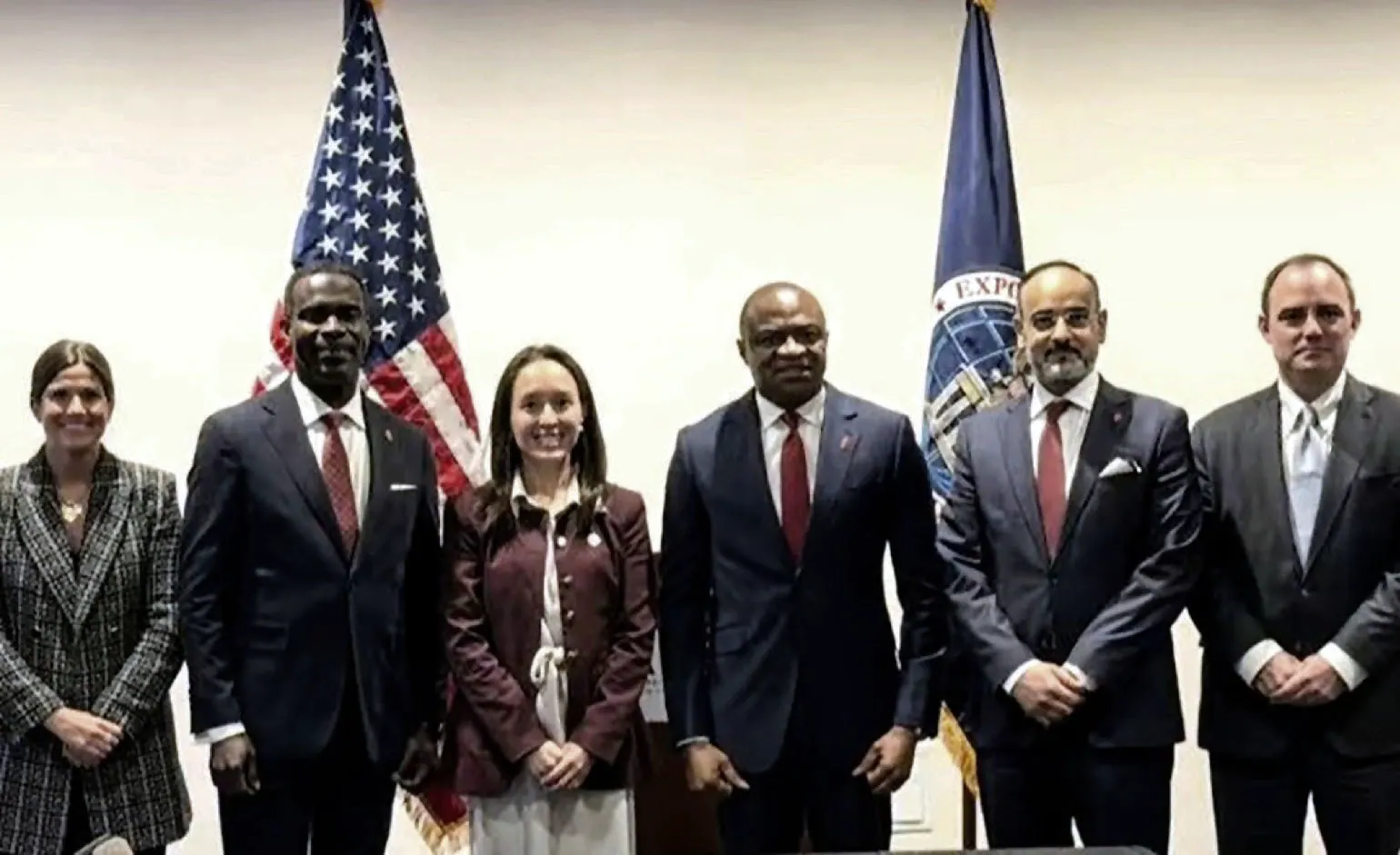
Two institutional meetings stood out as potentially consequential during UBA's engagements at UNGA 81. The first was with the Export-Import Bank of the United States (US EXIM), where discussions centered on expanding US EXIM support for UBA's trade finance book. The second meeting was with World Bank President, Ajay Banga, focused on mobilizing private capital for infrastructure, energy, agribusiness, and SMEs. While no formal commitments or deals were announced, these meetings were seen as exploratory and potentially impactful.
UBA also hosted a high-level reception for prominent Nigerian leaders, including Emir Muhammadu Sanusi II and several state governors, at its New York office. The focus was on sub-national investment opportunities in infrastructure, agriculture, health, education, and technology, and how states can leverage diaspora capital. Alawuba used the occasion to present a positive macroeconomic narrative about Nigeria and reinforce UBA's visibility as a leading pan-African bank.
Key points
- UBA pushes for regulatory reform to address capital challenges in Africa.
- The bank is pioneering a payment platform to reduce dollar-intermediation costs.
- UBA commits $6 billion to support small and medium-sized enterprises (SMEs) through its agreement with the AfCFTA Secretariat.