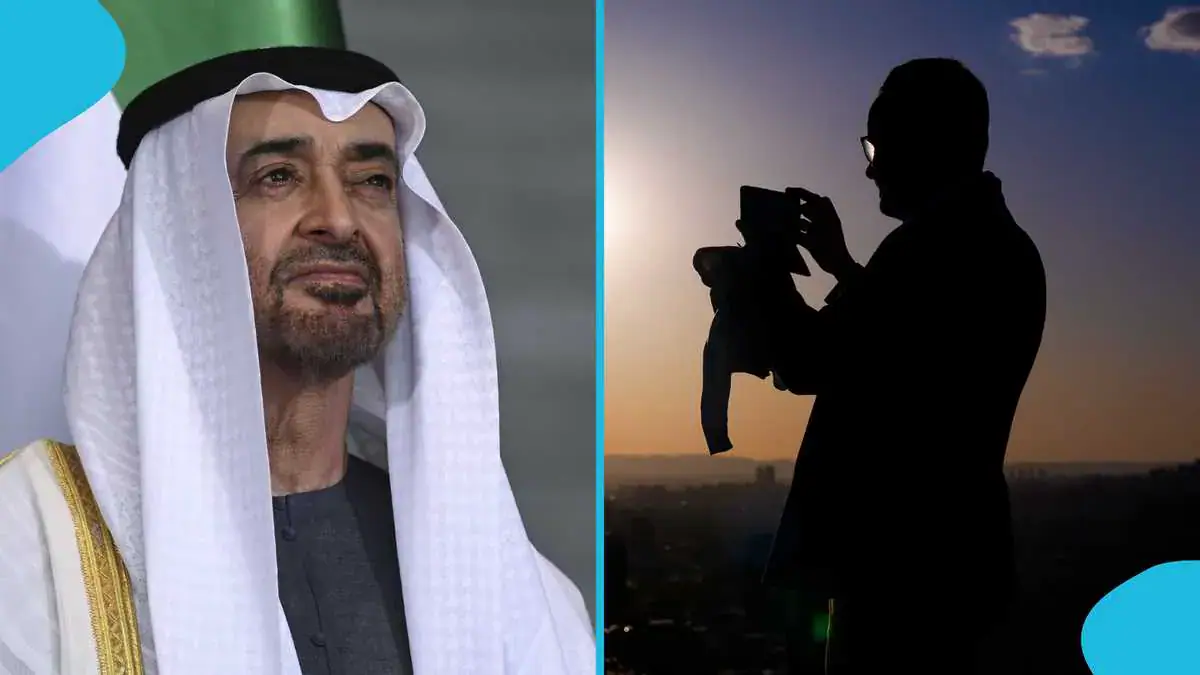
The United Arab Emirates has issued a warning to foreign visitors against taking photos or filming at four categories of restricted locations. The guidance, applicable to tourists, expatriates, and business travelers, aims to protect sensitive government and security infrastructure. The restrictions cover areas where photography is formally prohibited under official travel guidance. This move is part of the UAE's efforts to ensure national security and protect sensitive information.
The four restricted categories of locations where photography is banned include military installations, security installations, and diplomatic premises such as embassies. Certain public buildings and government infrastructure also fall under the prohibition. Visitors are advised to refrain from photographing or filming these areas, as well as other individuals without their consent. This has significant implications for tourists who frequently use smartphones and cameras in public areas, government offices, and security checkpoints.
In addition to the photography restrictions, the UAE has reminded foreign visitors of expectations around dress code in public spaces. Both men and women are advised to avoid revealing clothing, while women are encouraged to wear outfits that cover their shoulders and knees. Travelers heading to more conservative emirates, particularly Sharjah, should dress modestly. Women visiting these areas are advised to carry a scarf to cover their hair where required.
The UAE's guidance on photography and dress code is crucial for visitors, especially those from Ghana, to be aware of local regulations before arrival. Familiarizing themselves with these rules can help avoid unnecessary legal difficulties during their stay. The UAE is a popular destination for Ghanaians traveling for leisure, employment, or business purposes. Understanding and respecting local customs and regulations can ensure a smooth and enjoyable trip.
The restrictions on photography and dress code are part of the UAE's efforts to maintain national security and promote a respectful and modest environment. Visitors are expected to adhere to these guidelines to avoid any consequences. The UAE's authorities have emphasized the importance of respecting local laws and customs, and visitors who fail to comply may face legal repercussions.
For Ghanaians planning to travel to the UAE, it is essential to note that entry visas can be converted into residence permits without leaving the country. Most entry visas are valid for 60 days, but holders can extend their stay twice, allowing them to remain for up to 120 days in total. This flexibility can be beneficial for visitors who wish to stay in the UAE for an extended period.
In conclusion, the UAE's warning to foreigners against photography at restricted locations and the emphasis on dress code in public spaces are crucial for visitors to be aware of. By understanding and respecting local regulations, visitors can ensure a smooth and enjoyable trip to the UAE. It is essential for travelers to familiarize themselves with local customs and laws to avoid any unnecessary difficulties during their stay.
Key points
- The UAE has restricted photography at four categories of locations, including military installations, security installations, diplomatic premises, and certain public buildings.
- Visitors to the UAE are also reminded of expectations around dress code in public spaces, with both men and women advised to avoid revealing clothing.
- Ghanaians planning to travel to the UAE can convert entry visas into residence permits without leaving the country, with most entry visas valid for 60 days and extendable twice.