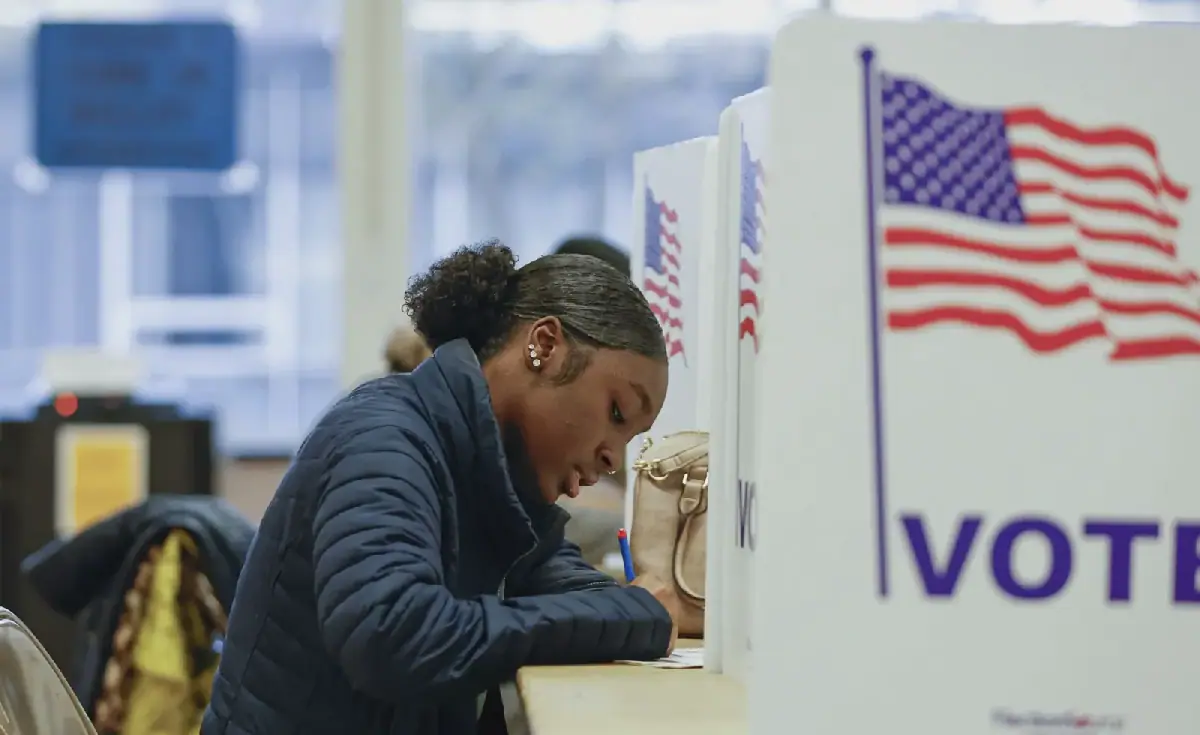
The U.S. midterm election campaign has come to an end, setting the stage for voters to decide which party will control Congress for the remainder of President Donald Trump's administration. The Republican Party, led by Trump, currently holds a majority in both chambers of Congress. On November 3, about 210 million registered voters will cast their ballots to determine whether Republicans will retain control or Democrats will take over.
A total of 435 seats in the House of Representatives and 35 of the Senate's 100 seats are up for grabs in the midterm elections. Additionally, 36 states will elect governors, and special elections will be held in Florida and Ohio to fill the seats vacated by U.S. Secretary of State Marco Rubio and Vice President JD Vance. The elections are being closely watched as they are usually considered a referendum on the incumbent administration.
To gain control of the Senate, Democrats need to win four additional seats to reach 51, while Republicans would retain control with 50 seats due to Vice President Vance's tie-breaking vote. Currently, Republicans hold 22 Senate seats being contested, while Democrats hold 13. In the House of Representatives, Republicans have 218 seats, Democrats have 214, one seat is held by an independent, and two seats are vacant.
Democrats will need to win five additional seats to flip control of the lower chamber. The campaign has seen some notable endorsements, including Democratic politician Haley Stevens backing Republican Mike Rogers. This move came after Stevens lost the Senate primary to Abdul El-Sayed, causing a stir among her party members.
The midterm elections are being closely watched, with many considering them a test of the Trump administration's popularity. The elections will determine the balance of power in Congress and could have significant implications for the remainder of Trump's presidency. Voters will also be electing governors in 36 states, which could have an impact on state-level policies.
The campaign season has been marked by intense debate and discussion on various issues, including healthcare, economy, and education. The elections are expected to be closely contested, with both parties vying for control of Congress. The outcome will likely have far-reaching consequences for the country and its citizens.
On November 3, voters will head to the polls to cast their ballots and determine the course of the country for the next few years. The elections will be a significant test of democracy and will likely have a lasting impact on American politics. The results will be closely watched by citizens, politicians, and international observers alike.
Key points
- Democrats need to gain four seats in the Senate to take control.
- Republicans currently hold 53 senators, while Democrats have 45.
- The midterm elections will determine the balance of power in Congress.