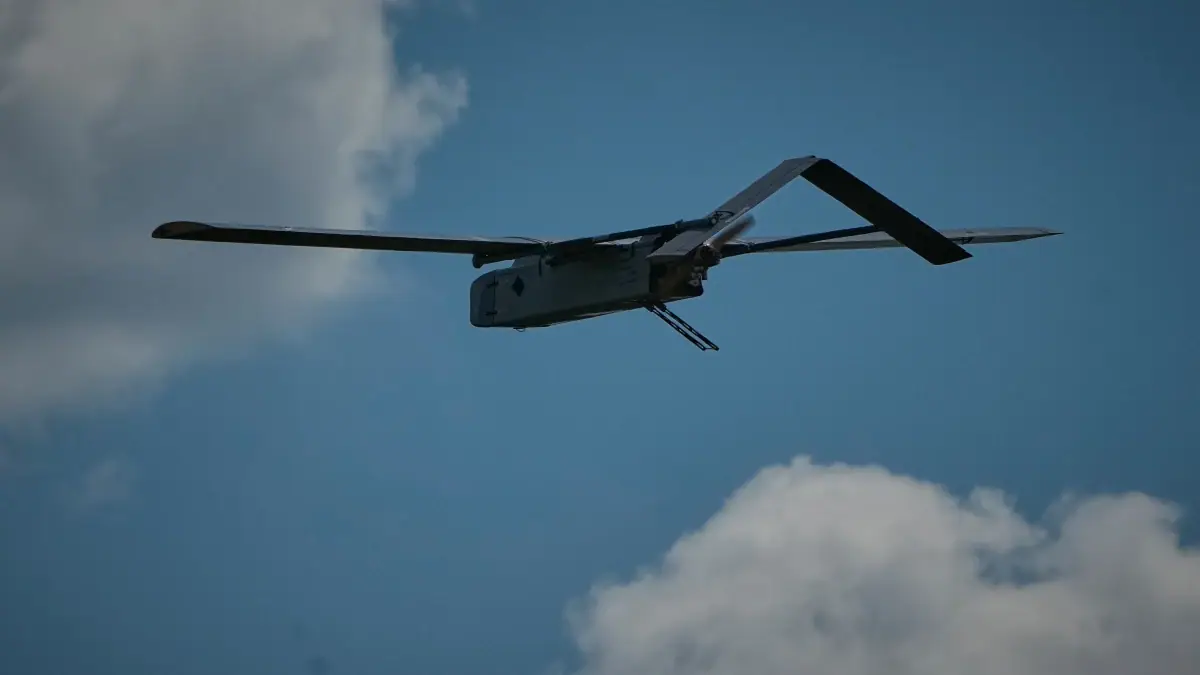
The United Nations has agreed to start discussing options to regulate lethal autonomous weapons, also known as "killer robots." After a week of negotiations in Geneva, a compromise was reached, allowing countries two years to suggest regulations that could be legally binding or optional. This development has been met with mixed reactions, with some considering it a step forward and others viewing it as insufficient. The negotiations involved diplomats from various countries, including major powers like the U.S., Russia, and Israel.
The talks were driven by concerns over the rapid advancement of artificial intelligence-assisted weapons and their potential to make life-and-death decisions autonomously. The International Committee of the Red Cross and the U.N. secretary-general had urged for legally binding rules to be drafted within a year. However, some countries, including the U.S., proposed a longer timeframe for discussions. Russia delayed the proceedings by objecting to the meeting's agenda on the first day. The negotiations were seen as a last chance to regulate these emerging technologies.
Humanitarian organizations have expressed concerns about the risks associated with lethal autonomous weapons. They fear that algorithms making life-and-death decisions could lead to a moral red line being crossed. According to Georgia Hinds, a legal adviser at the ICRC, "There is a fundamental ethical concern with having what are essentially these life-and-death decisions determined by programming, determined by an algorithm." This concern is driven by the potential for machines to make decisions without human accountability.
The compromise reached in Geneva has been met with criticism from some quarters. The ICRC immediately regretted the move and renewed its appeal for a binding treaty. Other campaigners described the deal as "a real disappointment" and a "nothing burger." They worry that the two-year window for discussions will allow technology to advance unchecked, potentially leading to more deaths. The concern is that lethal autonomous weapons could proliferate and be used by various actors, including non-state actors and criminal groups.
A key challenge in regulating lethal autonomous weapons is ensuring that existing rules of war, such as the Geneva Conventions, can be upheld. The ICRC's Hinds emphasized that the commander remains responsible for ensuring that the use of force is lawful and accountable. However, machines cannot be held accountable for violations of the law in the same way humans can. This raises questions about how to ensure accountability and adherence to international humanitarian law in the face of emerging technologies.
The development of lethal autonomous weapons is part of a broader trend in military technology. Countries are racing to develop new capabilities, driven by the desire to stay ahead of potential adversaries. However, this has created a challenge for diplomacy, as international efforts to regulate these technologies struggle to keep pace. The compromise in Geneva means that, for the next two years at least, lethal autonomous weapons will remain unregulated.
The outcome of the U.N. talks has implications for the future of warfare and international humanitarian law. As Anna Hehir, an expert in military AI governance, noted, "We're likely to see the systems proliferate." The concern is that this could lead to a new era of warfare, in which machines play a greater role in decision-making. The ICRC and other humanitarian organizations will continue to push for binding regulations to ensure that these technologies are developed and used in a way that respects human life and dignity.
Key points
- The U.N. has agreed to discuss lethal autonomous weapons regulation within two years.
- Humanitarian organizations have expressed concerns about the risks associated with lethal autonomous weapons.
- The compromise reached in Geneva has been met with criticism from some quarters.