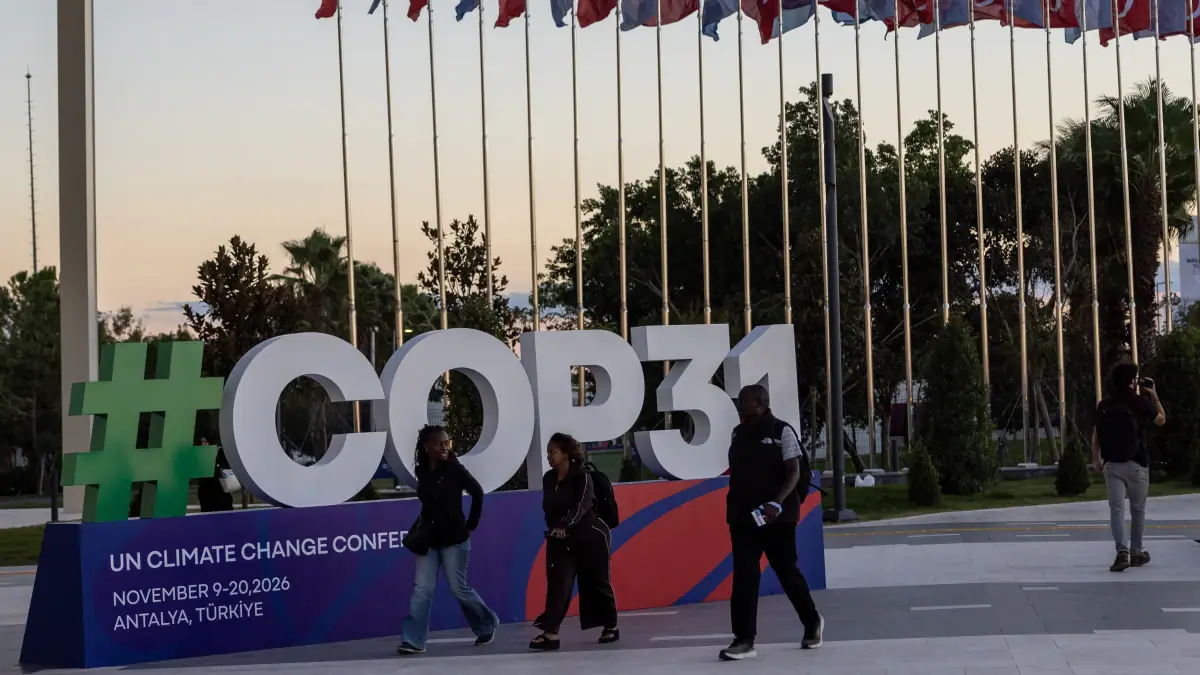
The annual United Nations climate conference, known as COP31, begins today in Antalya, Turkey, and will run for the next two weeks. This year's negotiations will be overshadowed by the ongoing U.S.-Israeli war with Iran, which has entered its ninth month and sparked a global energy crisis. The conflict has led to the unprecedented closure of the Strait of Hormuz and a significant increase in oil and natural gas prices, highlighting the fragility of relying on fossil fuels.
According to Kingsmill Bond, an analyst at the energy think tank Ember, this energy crisis differs from previous ones, such as the 1970s and 2022 crises. Bond notes that this time, there are cheap solutions to address the crisis, including solar panels, batteries, and electric vehicles. Many countries have recently shifted towards these technologies, which offer economic security and reduced emissions. The economic case for climate solution technologies will make it easier for countries to support them at the conference, Bond says.
The focus of this year's COP is on electrification, with climate technologies like solar, batteries, and electric vehicles being referred to as electrification technologies. Bond mentions that some are calling this "the electrification COP." The goal is to increase the electrification rate from around 23% today to around 35% by 2035. Energy experts believe this is achievable, as large solar and wind projects provide more cost-competitive energy than natural gas and coal projects.
The transition away from fossil fuels will be a key topic at COP31, with many countries arguing that the U.N. process has not done enough to address the single biggest driver of climate change. In April, over 50 countries came together to discuss ways to phase out oil, gas, and coal at the First International Conference to Transition Away from Fossil Fuels. More than 25 nations are developing a legally binding treaty that would advance a phase-out of fossil fuels.
However, the U.S. will not be sending a delegation to COP31, according to the U.S. State Department. This follows the Trump administration's reversal of climate progress, including phasing out subsidies for electric vehicles, solar, and wind, and reducing regulations for greenhouse gases. Despite this, some democratic lawmakers, including Sen. Sheldon Whitehouse, will attend COP31 and focus on fossil fuels and a potential carbon pricing mechanism.
Sen. Whitehouse emphasizes that it cannot remain free for the fossil fuel industry to pollute if there is to be any chance of a pathway to climate safety. The absence of the U.S. may be seen as a positive development by some countries, as Ralph Regenvanu, minister of climate change of Vanuatu, previously noted that the U.S. presence could hinder progress.
As COP31 begins, countries will aim to increase their use of renewable energy and reduce their reliance on fossil fuels. The conference will provide an opportunity for nations to come together and discuss ways to address the global energy crisis and accelerate the transition to a low-carbon economy. The outcome of the conference will be closely watched, as it may determine the course of global climate action in the years to come.
Key points
- The U.N. climate talks will focus on electrification and transitioning away from fossil fuels.
- The ongoing U.S.-Israeli war with Iran has sparked a global energy crisis, highlighting the need for alternative energy sources.
- The U.S. will not be sending a delegation to COP31, despite the presence of some democratic lawmakers.