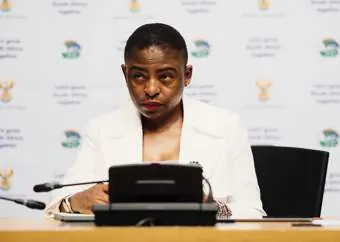
The National Prosecuting Authority (NPA) has been deliberating on a R2.5 million corruption case involving Minister in the Presidency Khumbudzo Ntshavheni for over two years. The case has garnered significant attention, with many awaiting the NPA's decision on whether to prosecute Ntshavheni. According to reports, the case was initially brought to the NPA's attention in 2021. Since then, the authority has been reviewing the matter, but a decision has yet to be made. The prolonged delay has raised concerns about the effectiveness of the NPA in handling corruption cases.
The case against Ntshavheni relates to allegations of corruption involving a R2.5 million payment. The details of the payment and the circumstances surrounding it have not been publicly disclosed. However, it is understood that the NPA has been conducting a thorough investigation into the matter. The investigation has likely involved reviewing financial records, interviewing witnesses, and gathering evidence. The NPA's decision on whether to prosecute Ntshavheni will have significant implications for the country's efforts to combat corruption.
The delay in the NPA's decision has sparked criticism from various quarters. Many have expressed concerns that the prolonged delay may be indicative of a lack of prioritization of corruption cases. Corruption remains a significant challenge in South Africa, and the NPA's handling of high-profile cases like this one will be closely watched. The NPA's independence and impartiality have also been questioned, with some arguing that the authority may be subject to undue influence or political pressure.
The NPA has previously faced criticism for its handling of high-profile corruption cases. In some instances, the authority has been accused of being slow to act or of failing to pursue cases aggressively enough. The NPA has also faced challenges in terms of resources and capacity, which may have contributed to the delay in this case. However, the authority has also made significant strides in recent years, including the establishment of a dedicated corruption unit.
Minister Ntshavheni has maintained his innocence in the matter. His office has not provided detailed comment on the case, but it is understood that Ntshavheni has cooperated with the NPA's investigation. The Minister's role in the Presidency has also raised questions about the potential for conflicts of interest. The NPA's decision on whether to prosecute Ntshavheni will have significant implications for his future in public office.
The case has also raised broader questions about corruption in South Africa. Corruption remains a significant challenge in the country, with many high-profile cases making headlines in recent years. The NPA's handling of this case will be seen as a test of its commitment to tackling corruption. The authority's decision will also have implications for the country's broader efforts to promote transparency and accountability.
The NPA's decision on the Ntshavheni case is expected to have far-reaching consequences. If the authority decides to prosecute Ntshavheni, it could send a strong message about the country's commitment to tackling corruption. On the other hand, if the authority decides not to prosecute, it could raise questions about the effectiveness of the country's anti-corruption efforts. The NPA's decision is eagerly anticipated, and its implications will be closely watched.
Key points
- The National Prosecuting Authority has been deliberating on a R2.5 million corruption case involving Minister in the Presidency Khumbudzo Ntshavheni for over two years.