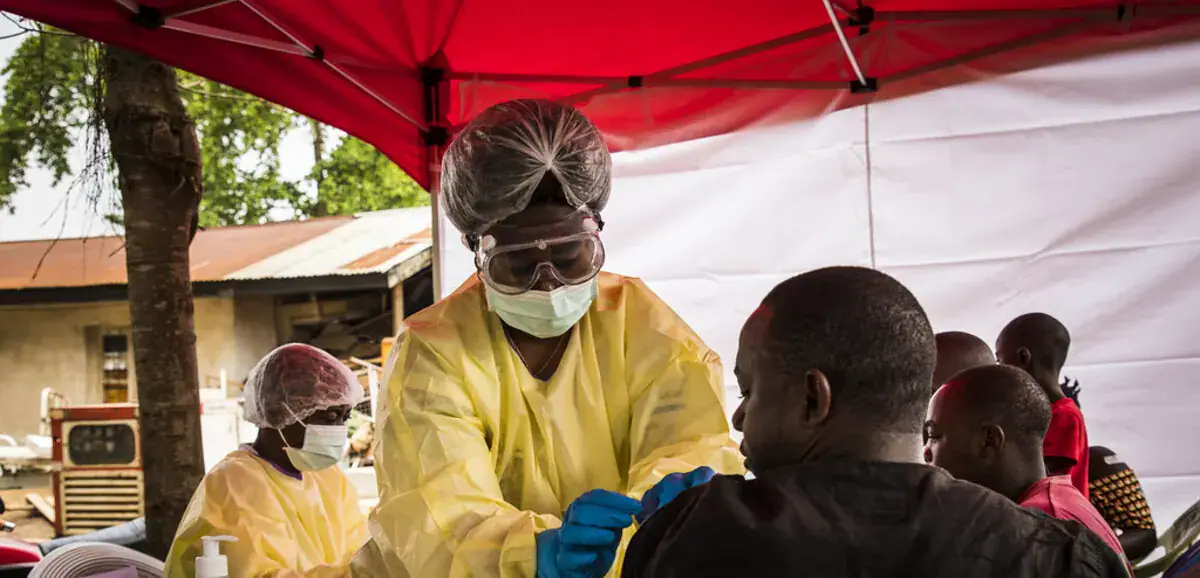
The World Health Organization (WHO) has announced that two new Ebola vaccines, specifically developed to target the Bundibugyo strain of the virus, will undergo clinical trials in the Democratic Republic of Congo (DRC) starting next week. The vaccines, ChAdOx1 and mRNA-1469, were developed by the University of Oxford and the Serum Institute of India, and by the American laboratory Moderna, respectively. These trials aim to evaluate the effectiveness of these vaccines in combating the Bundibugyo strain, which is responsible for the most deadly Ebola outbreak in the DRC.
The clinical trials, expected to begin on November 26 or 27 in Bunia, eastern DRC, will involve over 140 participants. The trials will use a ring vaccination strategy, where individuals who have come into contact with confirmed Ebola patients will be vaccinated. This approach has been used in previous Ebola outbreaks and aims to contain the spread of the virus. The vaccines will be evaluated under the Tumaini trial, a clinical trial protocol that aims to assess multiple vaccines against Ebola.
The Bundibugyo strain of Ebola has caused significant mortality in the DRC, highlighting the need for effective vaccines. The WHO has emphasized the importance of safe burials and dignified handling of Ebola victims to prevent further transmission of the virus. The organization has also stressed that the development and testing of new vaccines are crucial in the fight against Ebola.
In addition to the ChAdOx1 and mRNA-1469 vaccines, the Ervebo vaccine, already approved against the Zaïre strain of Ebola, will also be evaluated for its effectiveness against the Bundibugyo strain. The Tumaini trial aims to assess the safety and efficacy of multiple vaccines, providing valuable insights into the most effective strategies for combating Ebola.
The clinical trials in the DRC are a critical step towards finding effective solutions to combat the Ebola outbreak. The WHO has been working closely with local health authorities and international partners to contain the outbreak and prevent further transmission of the virus. The development and testing of new vaccines offer hope for improved treatment options and ultimately, the control of Ebola.
The use of ring vaccination and the evaluation of multiple vaccines under the Tumaini trial demonstrate the ongoing efforts to address the Ebola outbreak in the DRC. The international community continues to support the response efforts, providing critical assistance and resources to combat the virus.
As the clinical trials begin, health authorities and researchers will closely monitor the progress and outcomes, with the goal of identifying effective vaccines and strategies to combat the Bundibugyo strain of Ebola. The results of these trials will contribute to the global understanding of Ebola and inform future response efforts.
Key points
- The clinical trials of the ChAdOx1 and mRNA-1469 vaccines mark a significant step towards finding effective solutions to combat the Ebola outbreak in the DRC.