The World Health Organization (WHO) has recommended testing two new Ebola vaccine candidates targeting the Bundibugyo strain, which is responsible for the ongoing outbreak in the Democratic Republic of Congo (DRC). The vaccines, ChAdOx1 and Moderna's mRNA vaccine, will be added to the ongoing Tumaini clinical trial in the DRC. This development marks a significant milestone in protecting people against the Bundibugyo virus.
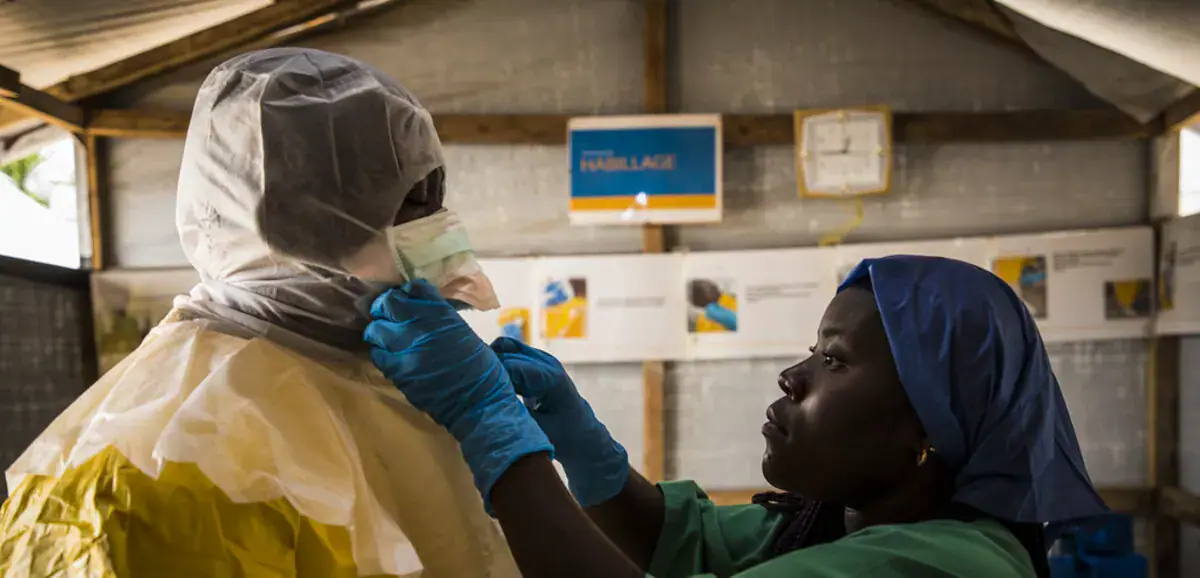
The ongoing Ebola outbreak in the DRC has been devastating, with over 10,400 cases and more than 5,300 deaths reported, according to WHO. The disease has also spread to neighboring countries, including Nigeria, Kenya, and Uganda. In response, WHO and its partners are working to advance vaccine research, treatments, and medicines to improve care and save lives.
The two new vaccine candidates, ChAdOx1 and Moderna's mRNA vaccine, will complement the existing Ervebo vaccine, which is already being tested against the Zaïre strain of the Ebola virus. ChAdOx1, developed by the University of Oxford and the Serum Institute of India, uses an adenoviral vector, while Moderna's vaccine employs messenger RNA technology.
The clinical trials will employ a "ring vaccination" strategy, where individuals who have come into contact with confirmed Ebola patients will be vaccinated to prevent further transmission of the virus. WHO is also supporting therapeutic trials to evaluate the effectiveness of several treatments, including monoclonal antibodies and antiviral medications.
In addition to the vaccine trials, WHO is conducting therapeutic trials for several treatments, including the monoclonal antibody MBP134 and the antiviral remdésivir. Another monoclonal antibody, maftivimab, will also be integrated into the research. An study on obeldesivir, a treatment aimed at preventing the onset of disease after exposure to the virus, is also underway.
The first results of the therapeutic trials are expected in the coming months, while the results of the vaccine trials are anticipated to be available in early 2027. WHO's efforts to combat the Ebola outbreak in the DRC and neighboring countries are ongoing, with the organization providing support for vaccination, treatment, and contact tracing.
The DRC and neighboring countries continue to grapple with the Ebola outbreak, which has had a significant impact on public health and the economy. The international community remains committed to supporting the response efforts, with WHO and its partners working to contain the outbreak and prevent further transmission of the virus.
Key points
- Two new Ebola vaccine candidates, ChAdOx1 and Moderna's mRNA vaccine, have been recommended for testing in the DRC.
- The vaccine trials will employ a "ring vaccination" strategy to prevent further transmission of the virus.
- The first results of the vaccine trials are anticipated to be available in early 2027.