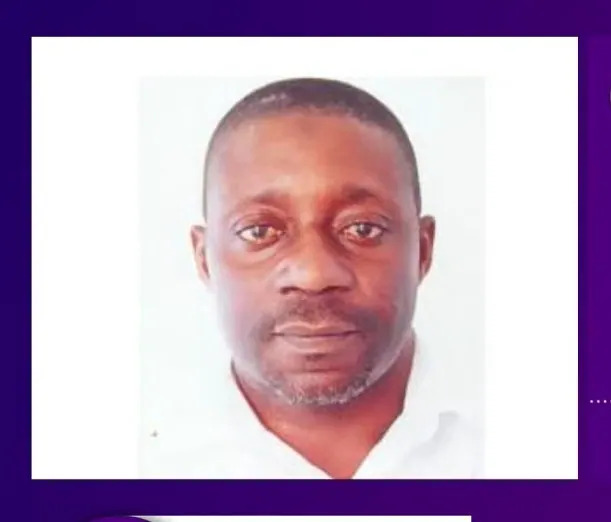
Public health engineering expert and Chief Executive Officer of Waste Care Associates, Lukman Salifu, has suggested that separating household waste into organic and inorganic streams could support energy generation in Ghana. This proposal was made in an interview on JoyFM's Super Morning Show on Monday, 5 October 2026. According to Salifu, a two-bin system would enable the two categories of waste to undergo different treatment processes, potentially leading to the production of biogas and energy.
The proposed two-bin approach would involve households separating their waste into organic and inorganic streams. Salifu explained that organic waste could be processed through biomethanation to produce biogas, while inorganic waste could be incinerated to generate energy. He stated that nearly 60 per cent of solid waste in Ghana is organic, making this approach straightforward for households to adopt. This system would require households to have two separate bins for their waste.
Salifu's proposal comes in response to Local Government Minister Mahama Ayarigah's call for assemblies to provide land for waste transfer stations and landfill sites. Ayarigah had given MMDCEs a 30-day deadline to secure land for these facilities. Salifu, however, believes that a two-bin system would be a more effective approach, allowing for the generation of energy from waste. This approach would also reduce the need for landfill sites.
The Waste Care Associates CEO emphasized that separating waste at source would be suitable for waste-to-energy operations. He urged Accra to give greater attention to waste-to-energy technology, stating that "I think that for Accra, we should begin to look at waste-to-energy." Salifu also noted that Ghana still needs landfill facilities alongside modern waste treatment technologies, with the choice depending on local conditions and land availability.
Salifu's proposal has been welcomed as a potential solution to Ghana's waste management challenges. The country's waste management infrastructure has been criticized for being inadequate, with many communities lacking access to proper waste disposal facilities. A two-bin system could help address this issue, reducing the amount of waste sent to landfill sites and generating energy in the process.
The implementation of a two-bin system would require a coordinated effort from households, local authorities, and waste management companies. Salifu's proposal has sparked a renewed debate on waste management in Ghana, with many stakeholders calling for innovative solutions to the country's waste challenges. The government has been urged to support the implementation of waste-to-energy technologies.
The adoption of a two-bin system could have significant benefits for Ghana's environment and economy. By reducing the amount of waste sent to landfill sites, the country can minimize its environmental impact and generate energy from waste. The implementation of this system could also create new opportunities for waste management companies and households to participate in the waste-to-energy sector.
Key points
- A two-bin household waste system could support waste-to-energy generation in Ghana.
- The system would involve households separating their waste into organic and inorganic streams.
- The approach could reduce the need for landfill sites and generate energy from waste.