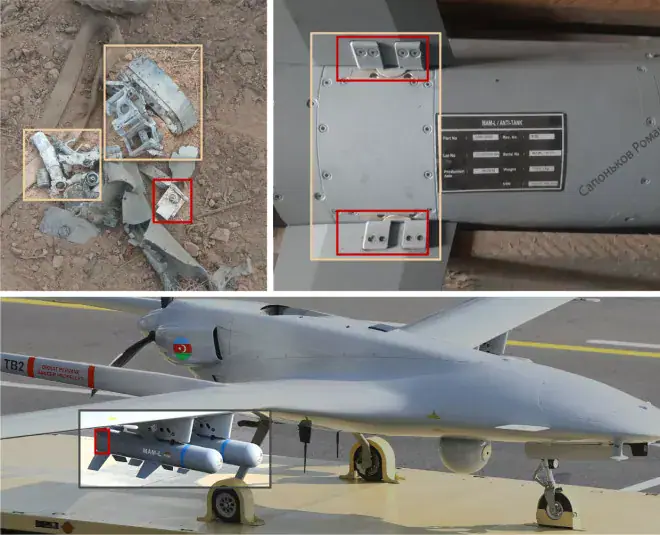
An investigation by The Guardian has identified the missiles used in a deadly airstrike in Somalia's northeastern Bari region as belonging to the MAM series, manufactured by Turkish state-owned defense company Roketsan. The airstrike, which occurred on May 21, killed a pregnant woman and her three children, and wounded their father. The findings highlight the growing role of Turkey's defense industry in supplying military equipment to countries across Africa and the Middle East.
Independent weapons experts examined photographs of fragments from two missiles recovered in Baxaya, in the Golis Mountains, and found that the markings and physical characteristics of the remnants were consistent with a strike carried out by a Bayraktar TB2 drone. However, identifying the missile does not establish who operated the aircraft or ordered the attack. Somalia, Turkey, and the United Arab Emirates all operate Bayraktar drones, making it difficult to determine responsibility from the recovered debris alone.
The Turkish government has said that drones exported to Somalia and Sudan are subject to assurances that they will be used in accordance with international law. Ankara has also said there is no verified evidence that Turkish-made weapons have been used unlawfully in Somalia. The Guardian's investigation did not establish who carried out the Baxaya strike, despite experts identifying the likely type of weapon used.
The findings come amid broader concerns over civilian casualties in airstrikes in Somalia. Amnesty International said in a 2024 investigation that two strikes on a farm in Jaffey, in the Lower Shabelle region, involved MAM-L missiles fired from TB2 drones and killed 23 civilians. The rights group called for the attacks to be investigated, raising questions about the use of armed drones and the protection of civilians during military operations in Somalia.
Somalia is among the countries operating Turkish-made Bayraktar TB2 aircraft. Roketsan manufactures the MAM-series guided munitions, while Baykar produces the Bayraktar drones designed to carry and fire them. The use of Turkish-made military equipment in Somalia has raised concerns about the impact of the country's defense industry on conflict zones.
The investigation's findings have significant implications for the use of armed drones in Somalia and the protection of civilians during military operations. The incident highlights the need for greater transparency and accountability in the use of military equipment, particularly in conflict zones. The Somali government and international community must work together to ensure that military operations are conducted in accordance with international law.
The use of Turkish-made missiles in the airstrike has also raised questions about the role of Turkey's defense industry in supplying military equipment to countries across Africa and the Middle East. The incident has sparked calls for greater scrutiny of the transfer of military equipment to conflict zones and the need for assurances that such equipment will be used in accordance with international law.
Key points
- The investigation found that the missiles used in the airstrike were MAM-series missiles manufactured by Roketsan.
- The airstrike killed a pregnant woman and her three children, and wounded their father.
- The incident has raised concerns about the use of armed drones and the protection of civilians during military operations in Somalia.