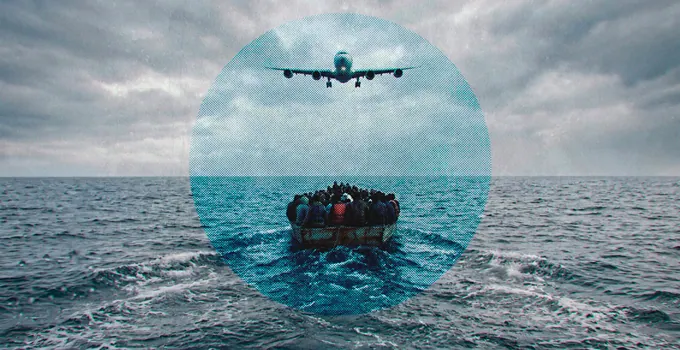
A recent tragedy off the coast of Zarzis, Tunisia, has highlighted the risks faced by migrants attempting to cross the Mediterranean to Italy. Fifteen young people set out to sea, with only one survivor. This incident adds to the growing death toll, with the International Organization for Migration (IOM) recording around 765 deaths in 2026, a 150% increase from the same period in 2025. The Central Mediterranean route remains one of the deadliest in the world.
Despite the risks, hundreds of Tunisians continue to attempt the crossing. According to the Italian Interior Ministry, 820 Tunisians arrived in Italy by sea between January 1 and August 15, 2026, making up around 4.7% of total migrants. Tunisia ranks eighth on the list of countries of origin for migrants. The number of Tunisian nationals attempting to cross the Mediterranean has decreased over the years, but many remain undeterred.
The European Union and Tunisia have strengthened security measures to control departures from the Tunisian coast. The 2023 protocol agreement between the EU and Tunisia, signed in the presence of Italian Prime Minister Giorgia Meloni, has led to increased surveillance and information sharing. The European Border Management Programme (BMP) is providing 130 million euros in support. These measures have contributed to a significant decrease in arrivals to Italian shores.
According to the Italian Interior Ministry and the UN Refugee Agency (UNHCR), the number of arrivals to Italy has dropped significantly. Between January 1 and August 15, 2026, 17,495 migrants arrived by sea, representing a 55% decrease from the same period in 2025. The UNHCR reported 16,567 arrivals between January and July 2026, also a 55% decrease. Libya remains the main point of departure, with 13,367 embarkations in 2026.
Migration experts and civil society activists attribute the decline in arrivals to stricter controls. Romdhane Ben Amor, a migration expert, explains that maritime surveillance now uses multiple levels of control, including drones and European radars. Authorities have also increased controls on land, particularly around primary departure areas such as Sfax and Mahdia. These measures have pushed migrants to adapt their strategies.
Tunisian migrants are now pursuing a more autonomous approach, pooling their skills and resources. Some are directly purchasing boats and planning their own departures. This shift in strategy is a response to the increased pressure applied along the entire migration chain. The Tunisian government's stance on migration remains a topic of debate, with some critics arguing that European pressure is compromising national sovereignty.
The migration trend has significant implications for Tunisia and Europe. As the death toll continues to rise, human rights organizations and opponents of the regime are denouncing the 2023 protocol agreement. The agreement's impact on migration patterns and national sovereignty will likely remain a contentious issue.
Key points
- The number of deaths and disappearances of migrants attempting to cross the Mediterranean has increased significantly in 2026.
- Stricter controls on departures from the Tunisian coast have contributed to a decrease in arrivals to Italian shores.
- Tunisian migrants are adapting their strategies in response to increased pressure, including pooling resources and planning their own departures.