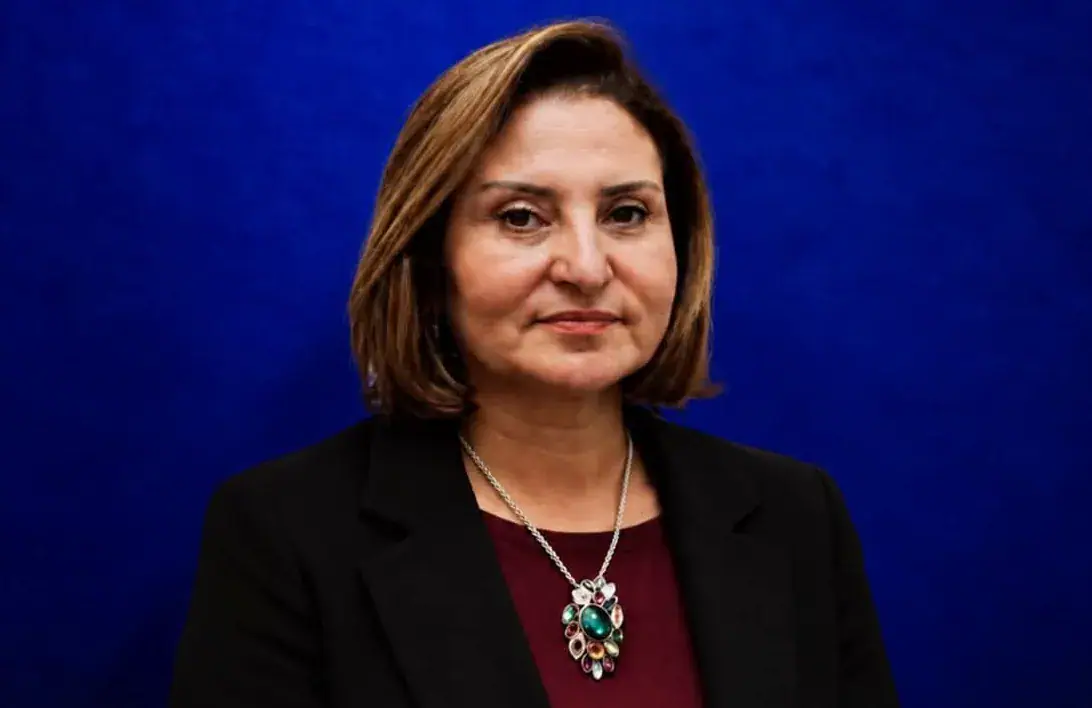
Radhia Jerbi, president of Tunisia's National Union of Women (UNFT) since 2013, has spoken out about the challenges facing her organization. Founded after Tunisia's independence, the UNFT has a long history of advocating for women's rights. Jerbi, a lawyer by profession, also serves as international vice-president of the International Council of Women. She describes the current situation of the UNFT as complex, with various pressures being exerted on the organization due to its past alignment with the previous government.
Jerbi claims that the UNFT has been singled out for criticism and punishment, despite being a pioneering organization in promoting women's rights in Tunisia. She notes that many Tunisians have fond memories of their mothers and grandmothers who were involved with the UNFT, and that the organization has made significant contributions to the country's development. However, since 2011, the UNFT has faced significant challenges, including attempts by some political parties to dismantle the organization and take control of its network.
According to Jerbi, the UNFT was a target for some political parties after the 2011 revolution, which saw the rise of Islamist movements that were opposed to the organization's vision for women's rights. The organization had previously been critical of the Ben Ali regime and had called for reforms. Jerbi also recalls that the minister for women's affairs at the time had compared the UNFT to a failing business, saying that it should be shut down.
Jerbi notes that the UNFT had taken steps to distance itself from politics, including conducting an internal review and taking steps to become more independent. However, this new approach was not well received by some parties, which had hoped to exert control over the organization. As a result, the UNFT faced financial difficulties, including the loss of funding and the seizure of its properties by local authorities.
The UNFT has historically received a government subsidy to support its activities, including paying the salaries of its employees. Jerbi notes that this subsidy has been provided since 1952 and has been essential to the organization's work. However, the organization has faced significant financial challenges in recent years, including a debt of 3 million dinars and unpaid bills dating back to 1972.
Despite these challenges, the UNFT continues to provide services to women in Tunisia, including free childcare and technical training. Jerbi emphasizes that the organization's work is essential to promoting women's rights and empowerment in the country. She also notes that the UNFT has made significant contributions to Tunisia's development, including producing the first legal guide for women and advocating for women's property rights and nationality.
Jerbi concludes that the treatment of the UNFT by the government is a form of political bias against women. She argues that the organization's long history and contributions to Tunisian society should be recognized and respected. The UNFT's efforts to promote women's rights and empowerment will continue, despite the challenges it faces.
Key points
- The UNFT has faced significant challenges, including financial difficulties and government pressure, due to its past alignment with the previous government.
- Radhia Jerbi accuses the government of bias against the UNFT, which she says is equivalent to targeting Tunisian women.
- Despite challenges, the UNFT continues to provide essential services to women in Tunisia, including free childcare and technical training.