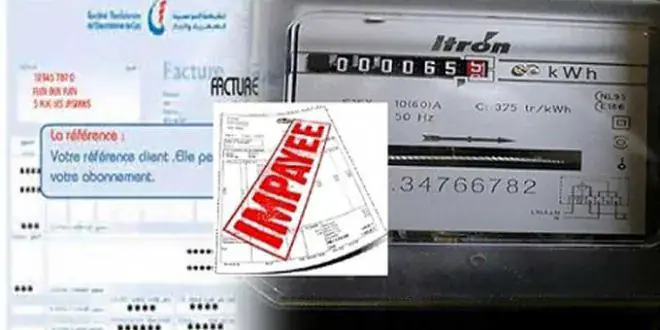
A recent social media post by a Tunisian Instagrammer has sparked widespread debate and raised questions about the country's electricity billing system. The woman shared her electricity bill, which showed a staggering debt of over 9,000 dinars ($3,000). The total bill amounted to 15,514 dinars, with a zero balance in previous payments. This has led to criticism and surprise among social media users.
The bill in question revealed that the woman had accumulated a debt of 9,113 dinars, with no immediate action taken by the Tunisian Electricity and Gas Company (STEG) to cut off her power supply. Many have expressed frustration, pointing out that STEG usually acts quickly to disconnect power when customers owe even small amounts. The woman claimed that her power was cut off during the summer.
Critics argue that STEG's actions demonstrate a double standard, as they often swiftly disconnect power for small debts. In contrast, large debts like the one in this case seem to be tolerated without immediate consequences. The incident has raised concerns about the fairness and consistency of STEG's billing and debt collection practices.
Some observers suggest that large debts may be due to technical issues, such as delayed meter readings or estimated billing over extended periods. Others propose that there may be prior debt repayment agreements in place that were not honored. However, the lack of an official explanation from STEG has left room for interpretation and criticism.
The controversy surrounding the woman's electricity bill has sparked a heated debate on social media platforms, particularly on Facebook. Many users have expressed their discontent and confusion about the situation, questioning STEG's policies and procedures. The incident has highlighted the need for greater transparency and accountability in the company's billing and debt collection practices.
STEG's handling of large debts has come under scrutiny, with some arguing that the company's actions are not in line with its treatment of customers with smaller debts. The incident has raised questions about the company's ability to manage its billing system and ensure that customers are held accountable for their debts.
The controversy is ongoing, with many awaiting an official response from STEG to clarify the circumstances surrounding the woman's electricity bill. The incident has sparked a wider conversation about the need for greater transparency and fairness in the company's billing practices, and the importance of ensuring that customers are treated equally and without bias.
Key points
- A Tunisian woman's electricity bill showed a debt of over 9,000 dinars without her power being cut off, sparking controversy and criticism of the country's electricity billing system.