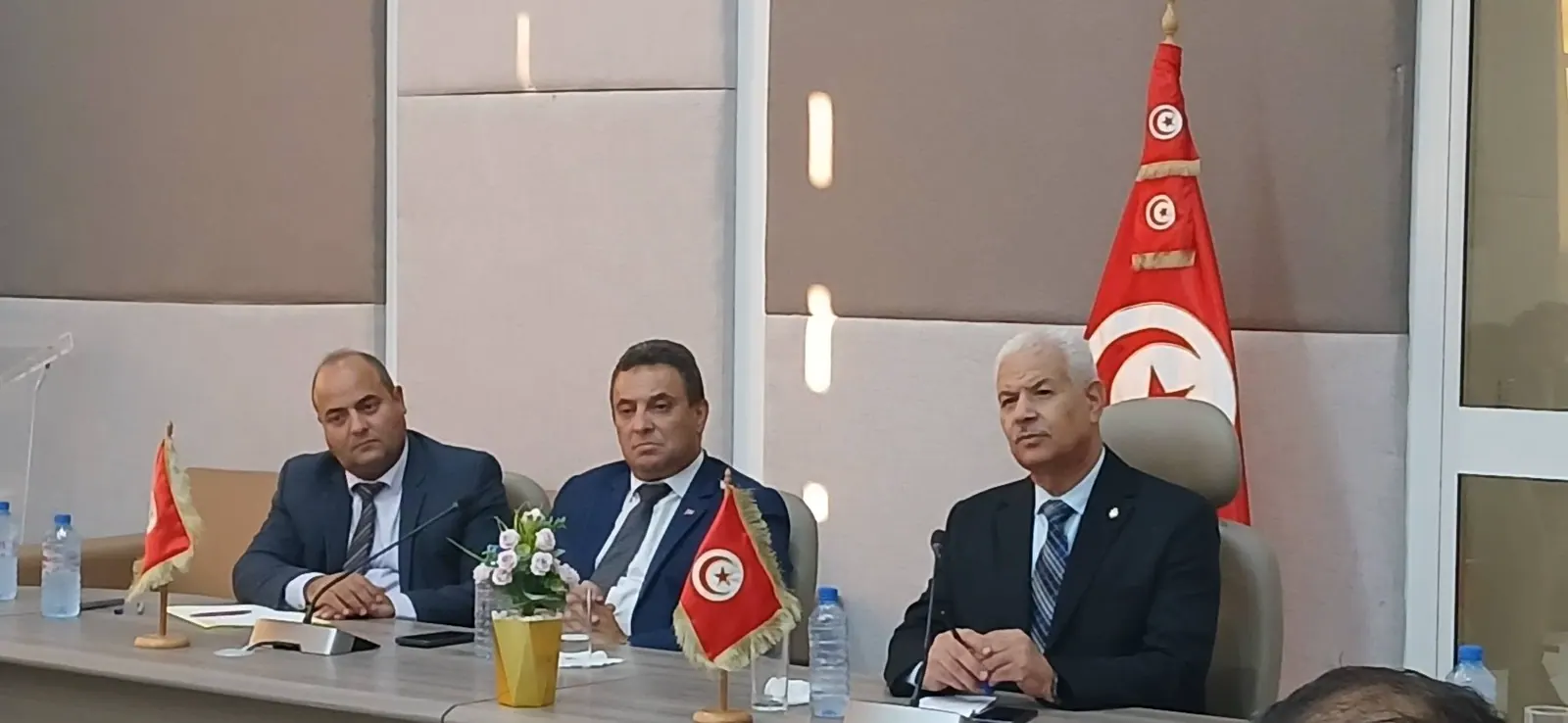
Tunisian Trade Minister Samir Obaid conducted a visit to the industrial and agricultural complex in Shmakh, Jerjis, on September 25, 2026. During his visit, he was briefed on the current production levels and future work programs. The minister also held a working session at the Jerjis Children's Leisure and Recreation Center, attended by representatives from poultry and egg institutions in the Mednine governorate. The session focused on addressing the concerns and challenges faced by professionals in the sector.
Key issues raised during the session included the decline in the allocation of breeding hens for chick production and the decrease in the number of farmers operating in the sector. This decline is partly attributed to the consolidation of smaller companies into larger ones, such as "Shahia," "Al-Mazraa," and "Mliha." The high production costs and conditional sales also emerged as significant concerns. Furthermore, the absence of a slaughterhouse in the Mednine governorate was highlighted as an additional challenge for professionals in the sector.
The working session was attended by several high-ranking officials, including Mednine Governor Walid Al-Tububi, the regional delegate for agricultural development, the regional director of trade, and several members of parliament. The presence of these officials underscores the government's commitment to addressing the challenges faced by the poultry and egg sector. The minister's visit and the discussions held are expected to contribute to finding solutions to these pressing issues.
The poultry and egg sector in Tunisia has been facing significant challenges in recent years. The decline in the number of farmers and the allocation of breeding hens have raised concerns about the sector's future. The high production costs and conditional sales have also made it difficult for farmers to operate profitably. The absence of a slaughterhouse in the Mednine governorate has added to the challenges faced by professionals in the sector.
Minister Obaid's visit to Jerjis is part of the government's efforts to engage with stakeholders and address the challenges faced by various sectors. The trade minister has been actively working to promote economic development and address the concerns of different industries. The visit to Jerjis and the discussions held with stakeholders in the poultry and egg sector are expected to contribute to the development of solutions to the challenges faced by the sector.
The government has been working to develop new legal frameworks to support economic development and promote investment. The minister's visit to Jerjis and the discussions held with stakeholders are expected to contribute to the development of policies that will support the growth of the poultry and egg sector. The government's efforts to address the challenges faced by the sector are expected to have a positive impact on the industry and the broader economy.
The visit by Minister Obaid to Jerjis and his discussions with stakeholders in the poultry and egg sector reflect the government's commitment to addressing the challenges faced by different industries. The government's efforts to engage with stakeholders and develop solutions to the challenges faced by various sectors are expected to contribute to economic development and promote investment.
Key points
- The Tunisian Trade Minister's visit to Jerjis aimed to address challenges facing the poultry and egg sector.
- Key issues raised during the session included the decline in the allocation of breeding hens and the decrease in the number of farmers.
- The government's efforts to address the challenges faced by the sector are expected to have a positive impact on the industry and the broader economy.