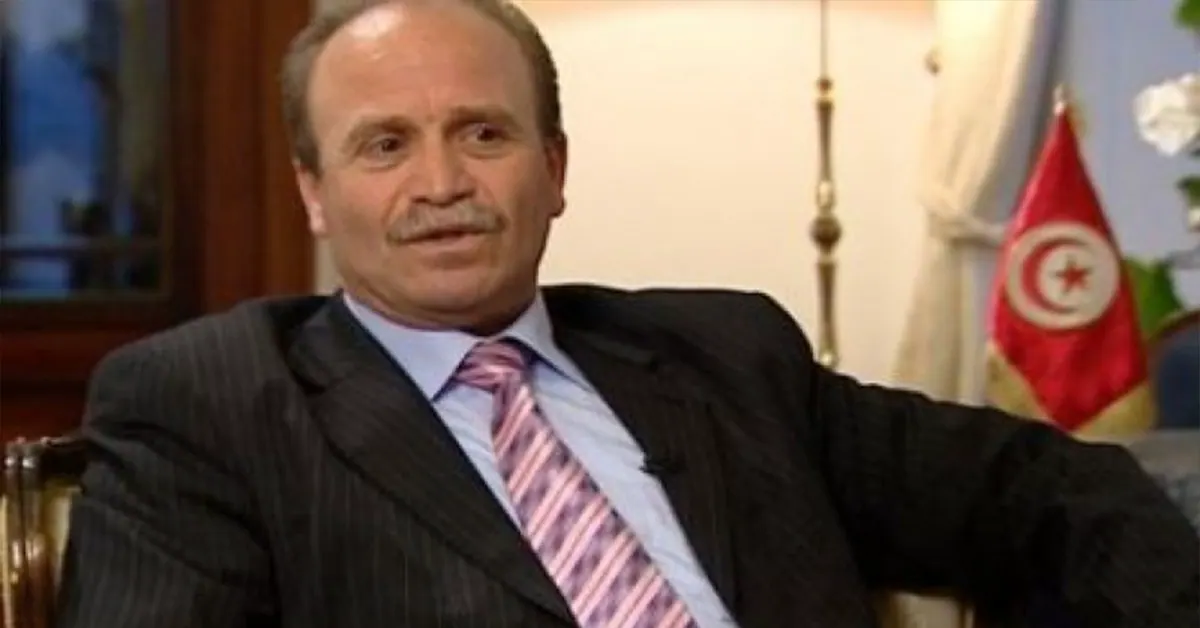
Tunisian sociologist Mehdi Mabrouk has stressed the importance of educating individuals on how to critically consume media content in today's digital age. He believes that schools, families, and media institutions all have a role to play in teaching people how to engage with various types of content in a balanced manner. This initiative aims to promote critical thinking and informed decision-making among individuals.
Mabrouk emphasized that children need to be taught how to consume media content in a rational, critical, and balanced way. This would enable them to develop their critical thinking skills and avoid content that promotes hate, myths, and irrationality. By acquiring these skills, individuals can make informed decisions and navigate the vast amount of information available to them.
The sociologist highlighted the significance of directing media consumption towards valuable content that fosters critical thinking, aesthetic appreciation, and respect for human dignity. He encouraged individuals to seek out content that promotes these values and to be mindful of the potential impact of media on their perceptions and attitudes.
Mabrouk's call for enhanced media literacy education comes at a time when the spread of misinformation and disinformation has become a pressing concern globally. By empowering individuals with the skills to critically evaluate information, Tunisia can take a proactive approach to mitigating the risks associated with the digital age.
The importance of media literacy education extends beyond the individual, as it can also contribute to the development of a more informed and engaged citizenry. By promoting critical thinking and media literacy, Tunisia can foster a culture of informed discourse and civic participation.
Mabrouk's advocacy for media literacy education has implications for various stakeholders, including policymakers, educators, and media professionals. By working together, these stakeholders can develop strategies for integrating media literacy into educational curricula and promoting critical thinking among the general public.
The initiative to promote media literacy education in Tunisia has the potential to have a lasting impact on the country's social and cultural landscape. By equipping individuals with the skills to navigate the digital world effectively, Tunisia can promote a culture of critical thinking, informed decision-making, and civic engagement.
Key points
- A Tunisian sociologist is advocating for enhanced media literacy education to help individuals critically navigate digital content.
- The sociologist believes that schools, families, and media institutions all have a role to play in teaching people how to engage with various types of content in a balanced manner.
- Media literacy education can contribute to the development of a more informed and engaged citizenry in Tunisia.