Tunisian society is in crisis, with many questioning the state of moral values and the role of the media in shaping public opinion. The recent case of public shaming and lynching of several high-profile individuals has sparked widespread debate, with many calling for a more nuanced approach to discussing sensitive topics. The case has highlighted the speed at which societal norms can shift and the ease with which individuals can be targeted by the media.
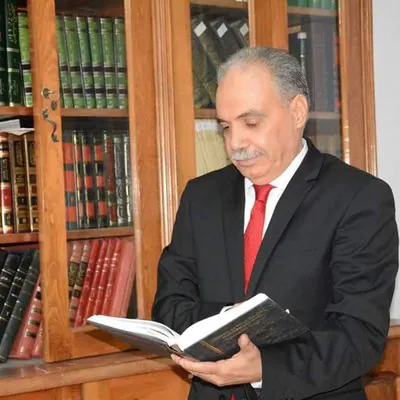
The author, Mustapha Attia, argues that the crisis is not just moral, but also deeply rooted in the way the media operates. He believes that the media's focus on scandal and sensationalism has created a culture of hysteria and intolerance, where individuals are quick to judge and condemn others. This culture of outrage has been fueled by social media, which has given people a platform to express their opinions and mobilize against those they perceive as having committed a moral transgression.
The case has also raised questions about the role of the media in shaping public opinion and the impact of this on vulnerable individuals. The author argues that the media has a responsibility to inform, but not to inflame or manipulate public opinion. He believes that the media's tendency to sensationalize and dramatize stories has contributed to a culture of fear and anxiety, where individuals are increasingly intolerant of those who do not conform to societal norms.
The author also points to the events of January 14, 2011, as a turning point in Tunisian society, after which the national character began to change. He argues that the country's revolution, which was meant to bring about freedom and democracy, has instead led to a culture of hate and intolerance. The author believes that this is a result of the media's focus on scandal and sensationalism, which has created a culture of outrage and intolerance.
The crisis has also highlighted the need for a more nuanced approach to discussing sensitive topics. The author argues that the media should focus on promoting understanding and empathy, rather than simply stirring up outrage and condemnation. He believes that this can be achieved by promoting a culture of critical thinking and media literacy, where individuals are encouraged to question and analyze the information they consume.
The author concludes that the current situation is a result of a deeper societal problem, where the values of empathy and compassion have been eroded. He argues that the media has a responsibility to promote positive values and to encourage a culture of tolerance and understanding. The author believes that this can be achieved by promoting a more nuanced and balanced approach to reporting, which takes into account the complexities of human nature and the need for empathy and compassion.
Ultimately, the author calls for a renewed focus on promoting positive values and encouraging a culture of tolerance and understanding in Tunisian society. He argues that this can be achieved by promoting a more nuanced approach to discussing sensitive topics and by encouraging individuals to think critically about the information they consume. The author believes that this is essential for creating a healthier and more compassionate society, where individuals are valued and respected.
Key points
- The recent case of public shaming and lynching in Tunisia has highlighted the need for a more nuanced approach to discussing sensitive topics and promoting a culture of tolerance and understanding.