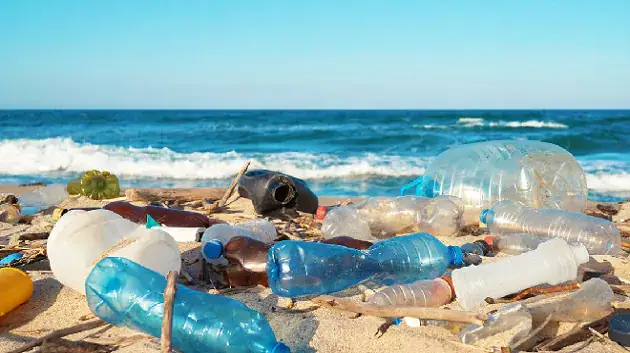
Researchers at the Smart Robotics, Reliability, Signal and Image Processing Laboratory (RIFTSI) at the National School of Engineers in Tunis, affiliated with the University of Tunis, have announced the launch of the TUN-MED-MAR-UAV-LITTER database. This database is dedicated to monitoring coastal waste using artificial intelligence. The project was completed after four years of continuous research and work. The database relies on real images of coastal waste captured by drones, with identified locations and described elements in international formats.
The database contains 10,397 images and 22,736 labeled elements, categorized into 7 main classes and 19 sub-classes. These were collected from 17 Tunisian beaches, with 58 areas identified to evaluate the performance of artificial intelligence models. The study involved testing 36 AI models, achieving a maximum accuracy of 91.71% in classification and an object segmentation index of 87%. This scientific achievement combines real images captured by drones, precise waste description, and the diversity of Mediterranean coastal environments.
The research team's work stands out for its innovative approach, combining drone-captured images with detailed waste description and varied coastal environments, including rocky areas and marine Posidonia zones. According to the comparative study prepared by the research team, this database is distinguished from others included in the comparison, enhancing its potential for developing smart tools to monitor coastal pollution and support marine environment protection efforts.
This project demonstrates the role of Tunisian scientific research in developing innovative technological solutions to address environmental issues. The use of artificial intelligence, robotics, and aerial imaging technologies is crucial in monitoring waste and improving coastal environmental monitoring. The launch of this database is expected to support efforts to protect the marine environment and promote sustainable development.
The TUN-MED-MAR-UAV-LITTER database is a significant contribution to the field of coastal waste monitoring. Its development involved a multidisciplinary approach, combining expertise in robotics, signal and image processing, and environmental science. The database's potential applications include the development of smart monitoring systems and the evaluation of coastal pollution.
The research team's achievement has been recognized through various scientific events, including the Seventh International Scientific Conference on Electromechanical Engineering and its Applications. Tunisia's participation in international innovation and technology events, such as the Maker Faire Rome, highlights the country's commitment to promoting scientific research and technological innovation.
The launch of the TUN-MED-MAR-UAV-LITTER database is a significant milestone in the development of AI-powered coastal waste monitoring in Tunisia. The project's success demonstrates the potential for Tunisian researchers to develop innovative solutions to environmental challenges. The database is expected to contribute to improved coastal environmental monitoring and support efforts to protect the marine environment.
Key points
- The TUN-MED-MAR-UAV-LITTER database contains 10,397 images and 22,736 labeled elements, categorized into 7 main classes and 19 sub-classes.
- The database achieved a maximum accuracy of 91.71% in classification and an object segmentation index of 87%.
- The project demonstrates the role of Tunisian scientific research in developing innovative technological solutions to address environmental issues.