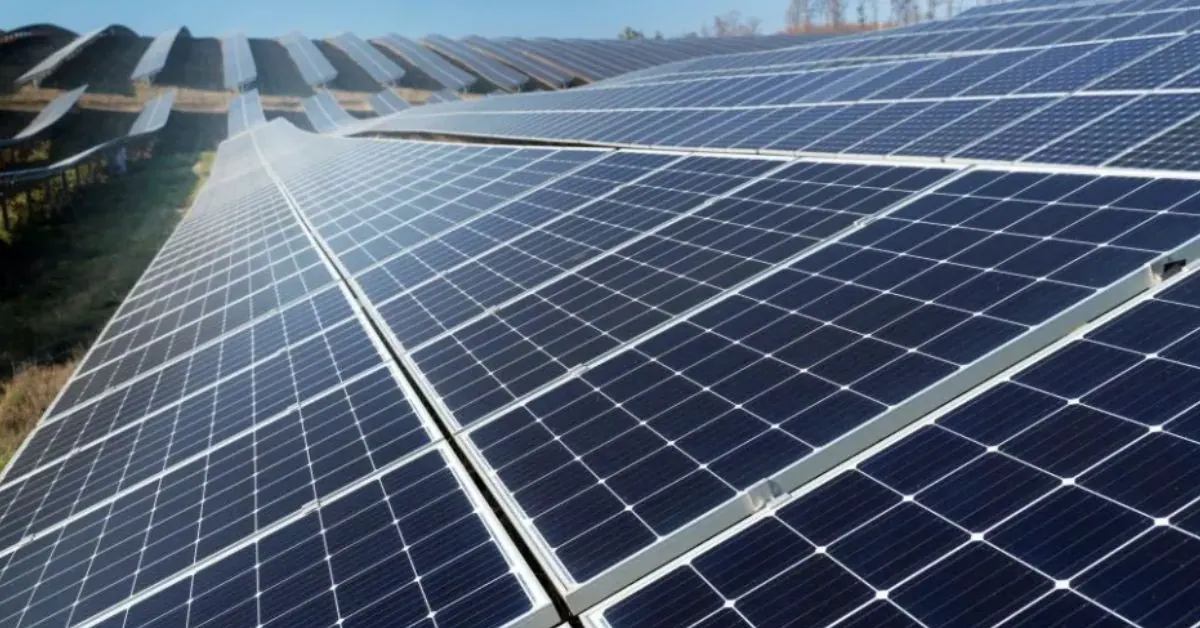
The Tunisian National Chamber of Photovoltaic Energy and the Professional Association of Renewable Energies have jointly called on the country's parliament to completely abolish customs duties on basic equipment for renewable energies. In an open letter addressed to the Speaker of Parliament and its members, the two organizations emphasized that this exemption should include photovoltaic panels, solar collectors, batteries, energy storage systems, and related components. This initiative aims to support the national interest and alleviate the burden on citizens.
The organizations argue that these demands do not represent sectoral tax advantages but rather strategic measures to serve the national interest and enhance energy security. They believe that tax policy should be a tool to accelerate the energy transition and strengthen national energy security. The current tax regime is seen as a hindrance to the growth of the renewable energy sector in Tunisia.
The Chamber and the Association pointed out that reducing the cost of equipment would expand the base of beneficiaries of solar energy, including citizens and institutions. This, in turn, would contribute to reducing the consumption of traditional energy in the future, alleviate pressure on the electricity system, and decrease dependence on energy imports. Additionally, it is expected to create new job opportunities in the sector.
The renewable energy sector in Tunisia has been facing challenges due to high costs and bureaucratic hurdles. Industry stakeholders believe that a supportive policy framework is essential to unlock the country's renewable energy potential. By abolishing customs duties on solar equipment, the government can encourage investment in the sector and promote sustainable development.
The organizations also called for an urgent institutional dialogue between parliament, the government, and industry stakeholders to develop a comprehensive package of legislative and tax measures. This dialogue aims to accelerate the transition towards a more secure, sustainable, and competitive energy system in Tunisia. The sector's growth is seen as crucial for the country's economic and environmental development.
Tunisia has set ambitious targets to increase its renewable energy capacity and reduce greenhouse gas emissions. However, the country's progress in achieving these goals has been slow due to various challenges. The renewable energy sector's call for tax exemptions is seen as a crucial step towards overcoming some of these challenges and creating a more favorable business environment.
The Tunisian government has been working to improve the business climate and attract investment in various sectors, including renewable energy. The country's renewable energy potential is significant, particularly in solar and wind power. Industry stakeholders hope that the government's support for the sector will help unlock this potential and create new opportunities for economic growth and sustainable development.
Key points
- The Tunisian renewable energy sector urges parliament to abolish customs duties on solar equipment to support the national interest and alleviate the burden on citizens.