As the Tunisian government prepares to submit the 2027 finance bill to parliament, professionals in the renewable energy sector are mobilizing to push for changes. The Groupement professionnel des énergies renouvelables, affiliated with the CONECT, and other professional organizations have made a pressing request to parliament. They are seeking the elimination of customs duties and taxes on renewable energy equipment, as well as a reduction in value-added tax (VAT) to 7%. This comes as the government faces a constitutional deadline to submit the budget bill to parliament by October 15.
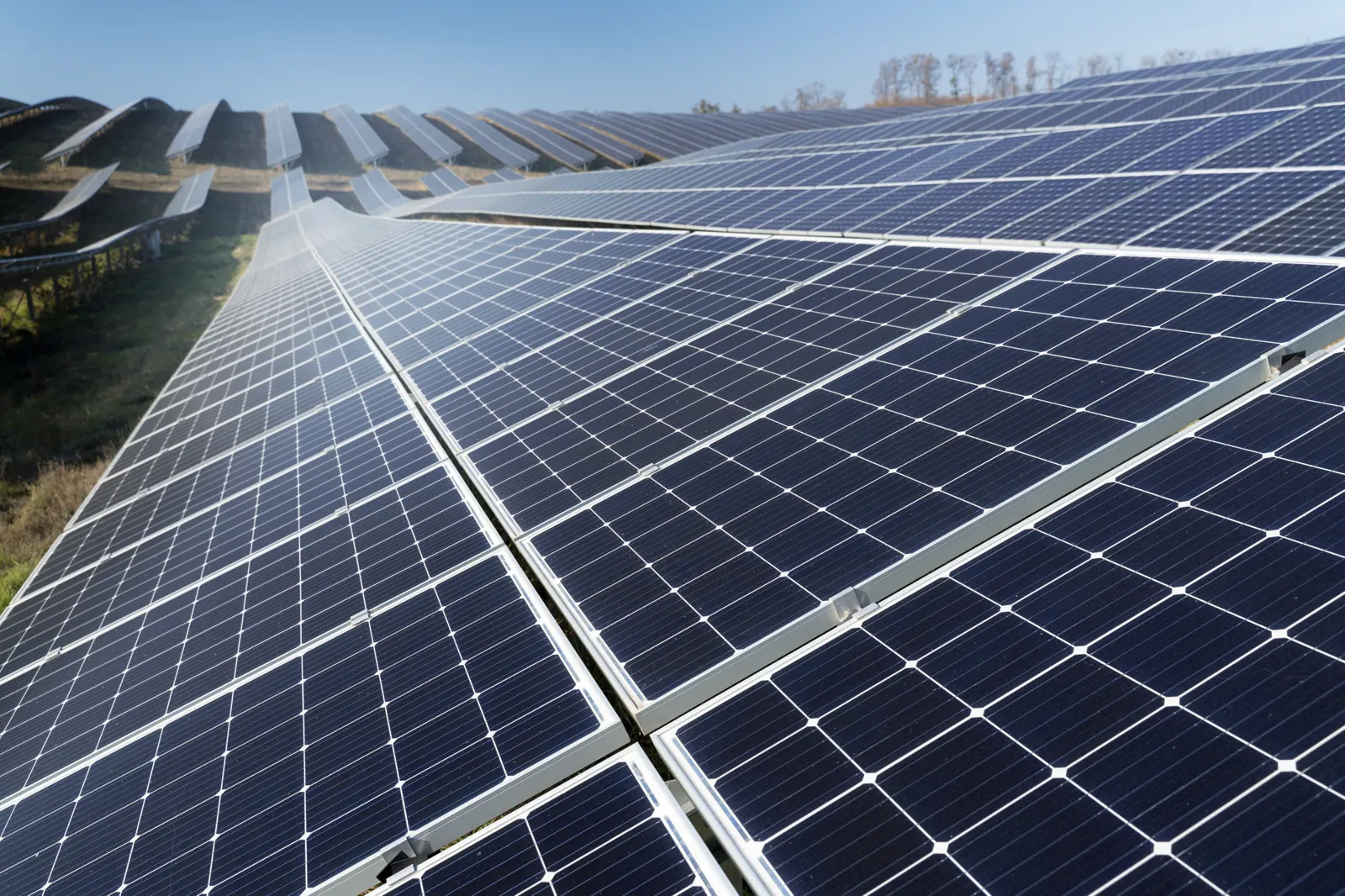
The professionals are specifically calling for a complete exemption from customs duties on photovoltaic panels, batteries, electricity storage systems, and other key equipment necessary for renewable energy production. They also propose reducing the VAT rate to 7% to make these technologies more accessible to households and businesses. According to the professionals, this measure would help accelerate the country's energy transition and reduce dependence on conventional energy sources. By making renewable energy technologies more affordable, they believe that Tunisia can unlock its solar potential.
The request is part of a broader effort to promote the adoption of renewable energy in Tunisia. In September 2026, the CONECT had already advocated for a complete exemption from taxes on solar equipment and storage systems. Additionally, the Agence nationale de maîtrise de l'énergie is preparing a program to support the self-production of solar energy by small and medium-sized enterprises. As a result, the decision to be taken within the framework of the 2027 finance bill is being closely watched by all stakeholders in the sector.
The renewable energy sector in Tunisia is gaining momentum, with several initiatives underway to promote sustainable energy. For instance, three pilot projects are transforming waste into electricity in the country. Moreover, over a hundred citizens were mobilized in Menzah 9 for a clean-up initiative. Several municipalities along the Mediterranean coast are also taking steps to protect their coastlines. These efforts demonstrate the growing awareness of environmental issues in Tunisia and the need for sustainable solutions.
Climate change is a pressing concern in Tunisia, with the country experiencing unprecedented heat levels in August 2026. The crisis of plastic pollution has also been declared an ecological emergency. In response, experts like Shérazade Zaïter, a jurist in international law, emphasize the importance of climate justice. The National Meteorological Institute (INM) has also reported heavy rainfall and hail in several regions, highlighting the need for sustainable practices to mitigate the impact of climate change.
The Tunisian government has taken steps to promote sustainable transportation, with the launch of the country's largest electric ship. This initiative is part of a broader effort to reduce the country's carbon footprint and promote eco-friendly practices. As the government prepares to submit the 2027 finance bill, stakeholders are eagerly awaiting the decision on customs duties and VAT rates for renewable energy equipment.
The outcome of the 2027 finance bill will have significant implications for Tunisia's renewable energy sector. If the proposed measures are adopted, they could help reduce the cost of solar installations and unlock the country's solar potential. Ultimately, this would contribute to a more sustainable energy mix and help Tunisia achieve its climate goals.
Key points
- Renewable energy professionals in Tunisia are pushing for the elimination of customs duties and a reduction in VAT rates on renewable energy equipment.
- The proposed measures aim to make renewable energy technologies more accessible and affordable for households and businesses.
- The decision on the 2027 finance bill is expected to have a significant impact on Tunisia's renewable energy sector and its efforts to transition to sustainable energy sources.