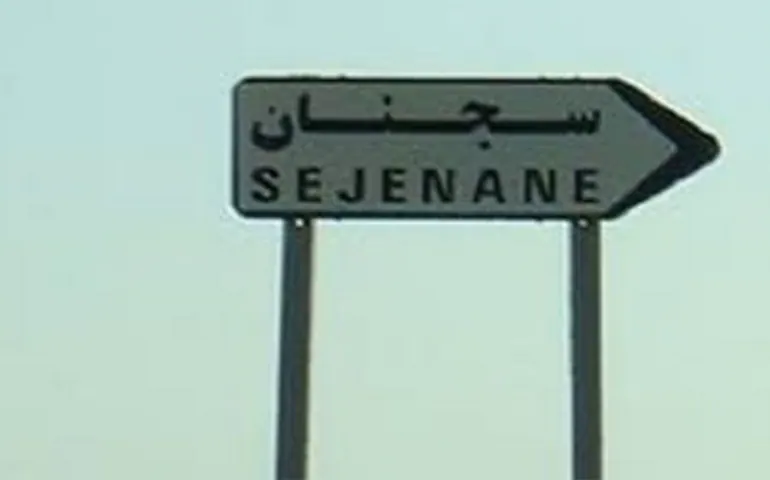
A project titled "Sajnane Municipality and Residents Together for Clean Water and Zero Waste" is underway in Sajnane, Tunisia. The project, managed by the Tunis office of the United Nations Human Settlements Programme and funded by the Japanese Agency for International Cooperation with 2 million dinars, aims to create decentralized wastewater treatment systems. The project's studies were presented to local stakeholders in June 2026.
The project's goal is to achieve the United Nations' Sustainable Development Goal 11, which focuses on making human settlements inclusive, safe, resilient, and sustainable. The project involves constructing treatment plants in the Al-Dhawairiyah neighborhood and the village of Tamera, which has approximately 5,000 inhabitants. The plants will utilize advanced Japanese technology that is environmentally friendly and resistant to earthquakes.
The technology used in the project is designed to minimize the area required for treatment and to biologically treat wastewater for reuse in nature while preserving groundwater and surface water quality. The project's cost is relatively low compared to traditional sanitation networks. The project also includes providing clean drinking water to three primary schools in Sajnane by May 2027.
On September 28, 2026, experts from the Tunis office of the United Nations Human Settlements Programme met with local stakeholders and residents to discuss the project's implementation and gather feedback. The project is expected to launch in December 2026, with the goal of improving environmental, social, and economic conditions in Sajnane.
The project's implementation involves several stakeholders, including the Sajnane municipality, the forest administration, and local council members. The project's progress was confirmed by Ramzi Abbassi, a member of the local council in Sajnane. The project's success is expected to have a positive impact on the lives of residents in Sajnane.
The project's focus on decentralized wastewater treatment systems is expected to reduce unpleasant odors and improve the overall quality of life for residents. The project's use of advanced technology and environmentally friendly practices aligns with Tunisia's efforts to achieve sustainable development goals.
The project's completion is expected to bring significant benefits to the residents of Sajnane, including improved access to clean water and sanitation, and a reduction in waste. The project's success is expected to serve as a model for other communities in Tunisia and beyond.
Key points
- The project aims to provide clean water and eliminate waste in Sajnane, Tunisia, with a planned launch in December 2026.
- The project utilizes advanced Japanese technology to treat wastewater and provide clean drinking water to local residents.
- The project's goal is to achieve the United Nations' Sustainable Development Goal 11, focusing on making human settlements inclusive, safe, resilient, and sustainable.