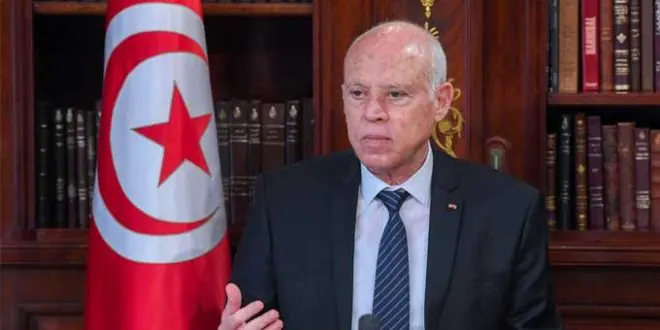
On September 29, Tunisian President Kais Saied oversaw a cabinet meeting at the Carthage Palace to discuss several draft decrees and matters related to the functioning of public services. The meeting focused on key issues affecting the country. According to a statement from the presidency, the meeting covered a range of topics. The cabinet reviewed draft decrees aimed at amending existing laws. These amendments are expected to have significant impacts on various sectors.
One of the main items on the agenda was the revision of Decree 54 of 2022, which relates to combating cybercrimes. This decree was initially issued on September 13, 2022. The proposed changes aim to update the country's cybersecurity laws. The cabinet also discussed the revision of Decree 13 of 2022, which concerns the judicial settlement and the use and completion of its proceeds. This decree was issued on March 20, 2022.
In addition to these, the cabinet reviewed a draft decree to amend certain provisions of the Organic Law 23 of 2012, which established the Independent High Authority for Elections. This law, initially issued on December 20, 2012, is crucial for the country's electoral processes. Another decree on municipal councils was also on the agenda. These discussions reflect the government's efforts to refine and update the legal framework.
During the meeting, President Saied emphasized his commitment to monitoring the situation across the country. He acknowledged that the Tunisian people are engaged in a multifaceted struggle for liberation. The President expressed confidence that the people will achieve a clear victory despite challenges. His comments underscore the government's focus on addressing both domestic and external issues.
The cabinet meeting is part of ongoing efforts to address various challenges facing Tunisia. By revising key decrees, the government aims to improve the legal and regulatory environment. These changes are expected to enhance the functioning of public services and promote stability. The discussions also highlight the administration's focus on critical issues affecting the nation.
The presidency's statement provided details about the meeting's agenda and outcomes. Further information on the specific changes to the decrees and their implications will be essential for stakeholders. The government's approach to addressing these issues will be closely watched by both domestic and international observers. The impact of these revisions on the country's political and social landscape remains to be seen.
As Tunisia continues to navigate complex challenges, the government's actions will be crucial in shaping the country's future. The cabinet's discussions on decree revisions reflect a broader strategy to address pressing issues. The administration's efforts to update laws and regulations are part of a larger initiative to promote stability and progress.
Key points
- The Tunisian cabinet discussed revisions to several key decrees, including Decree 54 on cybercrime.
- President Kais Saied emphasized the government's commitment to addressing domestic challenges.
- The revisions aim to update laws and regulations, promoting stability and improving public services.