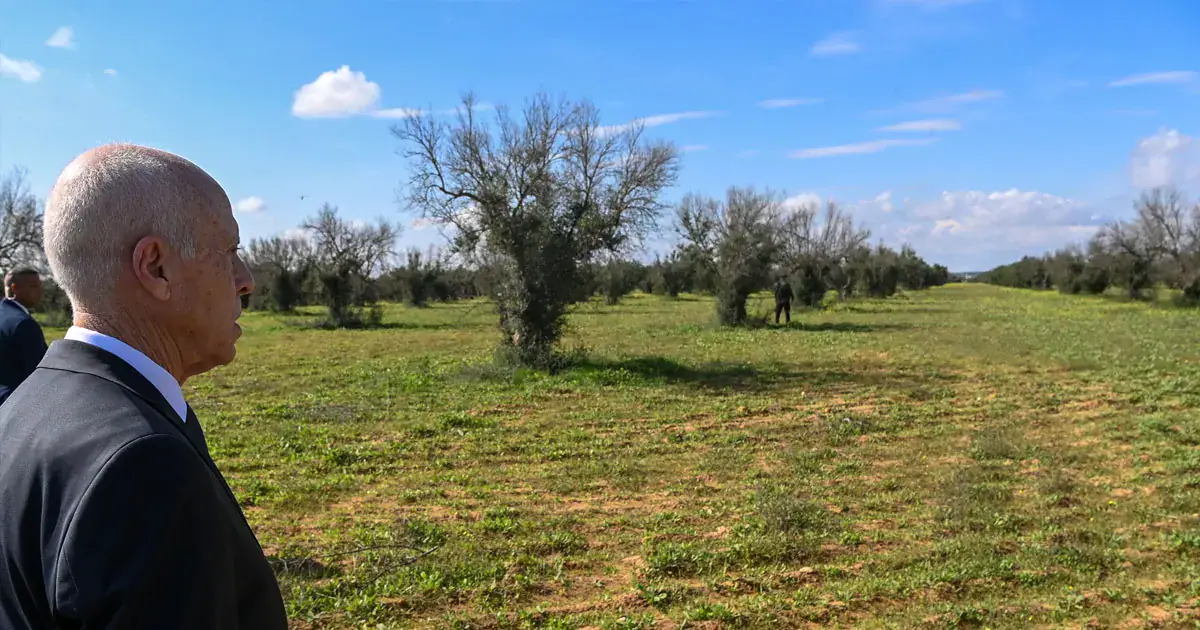
In a unique experiment, three advanced AI models - Gemini, Claude, and ChatGPT - were tasked with analyzing the public speeches of Tunisian President Kais Saïed to identify his key personality traits. The AI models were asked to provide their assessments based solely on Saïed's public speeches since he took office. This experiment aims to test the capabilities of AI in establishing a psychological portrait of a public figure based on their written or public speeches.
According to Gemini, Saïed's public speeches reveal a distinct rhetorical style that reflects his background as a professor of constitutional law. His speeches often feature complex Arabic and digressions into grammar, etymology, and history, projecting an image of intellectual superiority. He frequently invokes the Constitution, revolutionary legitimacy, and sovereignty to justify his decisions, often interpreting them literally or personally. This approach is seen as an attempt to establish his authority and expertise.
Gemini also identifies a messianic tone in Saïed's speeches, where he presents himself as a moral authority tasked with "redressing" and "purifying" public life. He often invokes divine and historical judgment to legitimize his actions, positioning himself as a solitary guardian against the country's perceived corruption. This moralistic approach is accompanied by a rejection of partisan politics and a preference for direct communication with the people, bypassing traditional intermediaries like parties and unions.
Claude, another AI model, takes a more cautious approach, stating that it cannot create a psychological portrait of Saïed but can highlight traits observed in his speeches by analysts. According to Claude, Saïed's speeches convey a sense of moral mission, with some viewing him as a divinely appointed leader and others seeing this as a justification for authoritarianism. His rhetoric often pits the "pure" against the "corrupt," and he frequently adopts a populist tone, framing himself as a champion of the people against a supposedly corrupt elite.
The AI models also note Saïed's tendency to use allusions and conspiracy theories in his speeches, often referring to vague enemies or "dark chambers" without specifying the actors involved. His discourse frequently employs metaphors and irony to discredit opponents or critics. Additionally, Saïed cultivates an image of austerity and incorruptibility, emphasizing his personal probity and rejection of corruption as the foundation of his legitimacy.
The analysis highlights the differing interpretations of Saïed's personality and rhetoric, reflecting the polarized nature of Tunisian politics. While his supporters see him as an honest, sovereign leader committed to national dignity and citizen welfare, his critics view his approach as promoting extreme personalization of power, undermining democratic pluralism, and disqualifying opposition. These divergent views underscore the complexities of Saïed's public persona and the challenges of assessing his leadership through AI analysis.
The experiment demonstrates the potential and limitations of AI in analyzing public figures' personalities based on their speeches. While AI models can identify patterns and traits, their interpretations depend on the data and perspectives available to them. In the case of Kais Saïed, the AI analysis provides insights into his rhetorical style, moralistic tone, and relationships with different segments of Tunisian society, but also highlights the subjective nature of these assessments.
Key points
- AI models analyze Kais Saïed's public speeches to identify key personality traits.
- Saïed's rhetorical style reflects his background as a professor of constitutional law.
- The analysis highlights differing interpretations of Saïed's personality and rhetoric, reflecting polarized Tunisian politics.