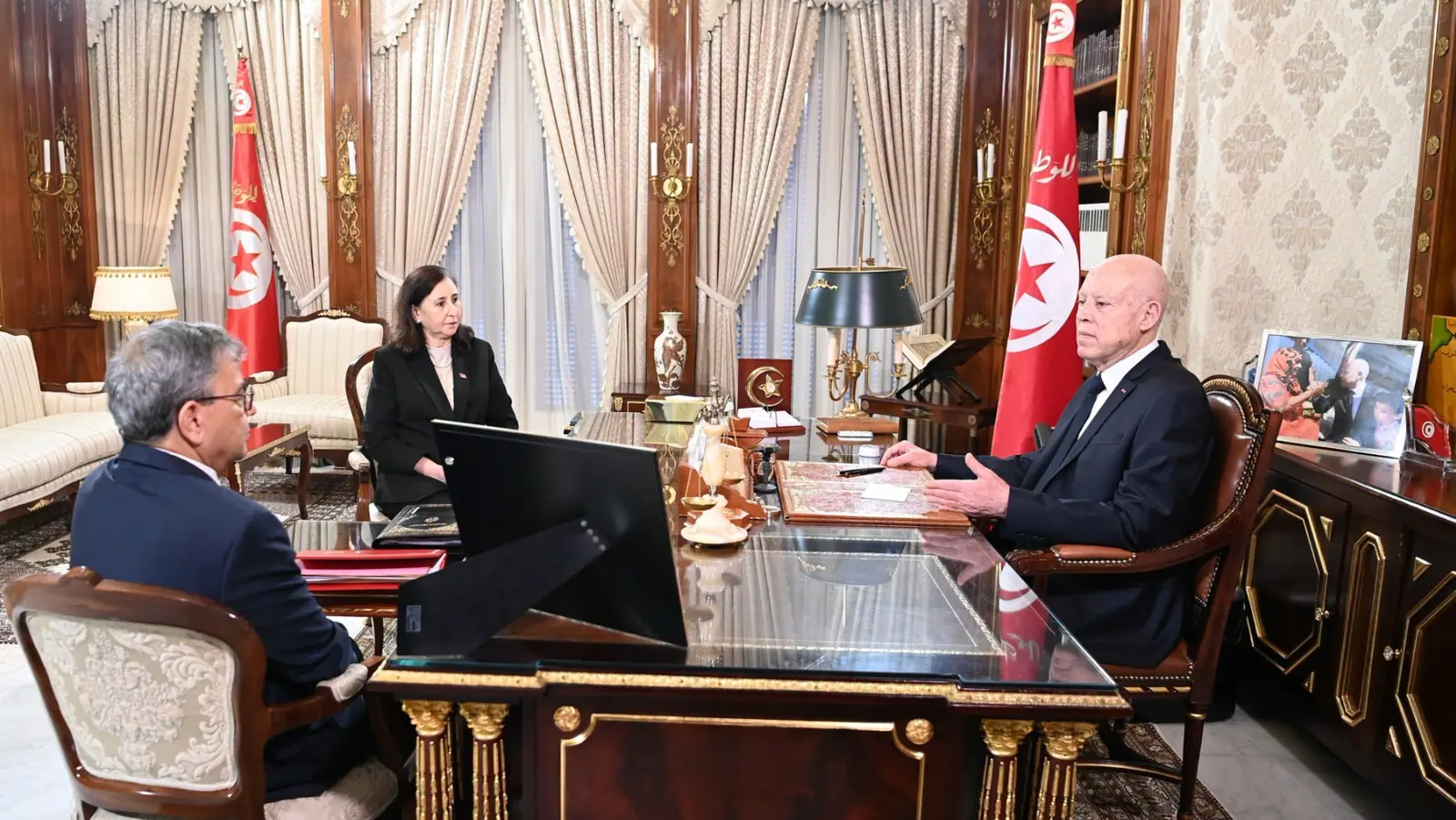
On September 24, 2026, Tunisian President met with Prime Minister Sara Al-Zafrani Al-Zanari and Central Bank Governor Zuhair Al-Nouri to discuss the country's economic challenges. The President emphasized the need to regulate imports and intensify efforts to combat corruption, which he believes is hindering the country's progress. He highlighted that corruption takes many forms, including bribery, fraud, and disrupting public services.
The President noted that corruption has severe consequences, including undermining the nation's development and affecting citizens' daily lives. He stressed that the fight against corruption requires a sustained effort and the involvement of all stakeholders. The President also expressed concern about the rising cost of living, which is putting pressure on citizens and affecting their purchasing power.
According to the President, some individuals and groups are attempting to undermine the country's revolutionary gains and hinder its progress. He emphasized that the Tunisian people are aware of these efforts and will not be deterred from achieving their goals of freedom, dignity, and national prosperity. The President expressed confidence that the country's progress will not be derailed by those seeking to undermine its development.
The President's emphasis on combating corruption and regulating imports reflects the government's commitment to addressing the country's economic challenges. The meeting with the Prime Minister and Central Bank Governor highlights the administration's focus on finding solutions to the country's economic woes. Tunisia has been working to strengthen its economy and improve living standards for its citizens.
Corruption remains a significant challenge for Tunisia, affecting various sectors, including business, healthcare, and education. The President's call to action underscores the need for a comprehensive approach to address this issue. The government has been working to implement reforms and strengthen institutions to prevent corruption and ensure accountability.
The President's comments also reflect the country's ongoing efforts to consolidate its democratic gains and ensure that the revolutionary goals are achieved. Tunisia has made significant progress since its revolution in 2010, but challenges persist. The President's leadership and commitment to addressing these challenges will be crucial in shaping the country's future.
The government's efforts to combat corruption and regulate imports are critical to Tunisia's economic recovery and long-term growth. The President's emphasis on these issues highlights the administration's focus on addressing the country's most pressing challenges. The success of these efforts will depend on the government's ability to implement effective reforms and engage with citizens and stakeholders.
Key points
- Tunisian President emphasizes need to regulate imports and combat corruption to address rising prices and ensure national progress.