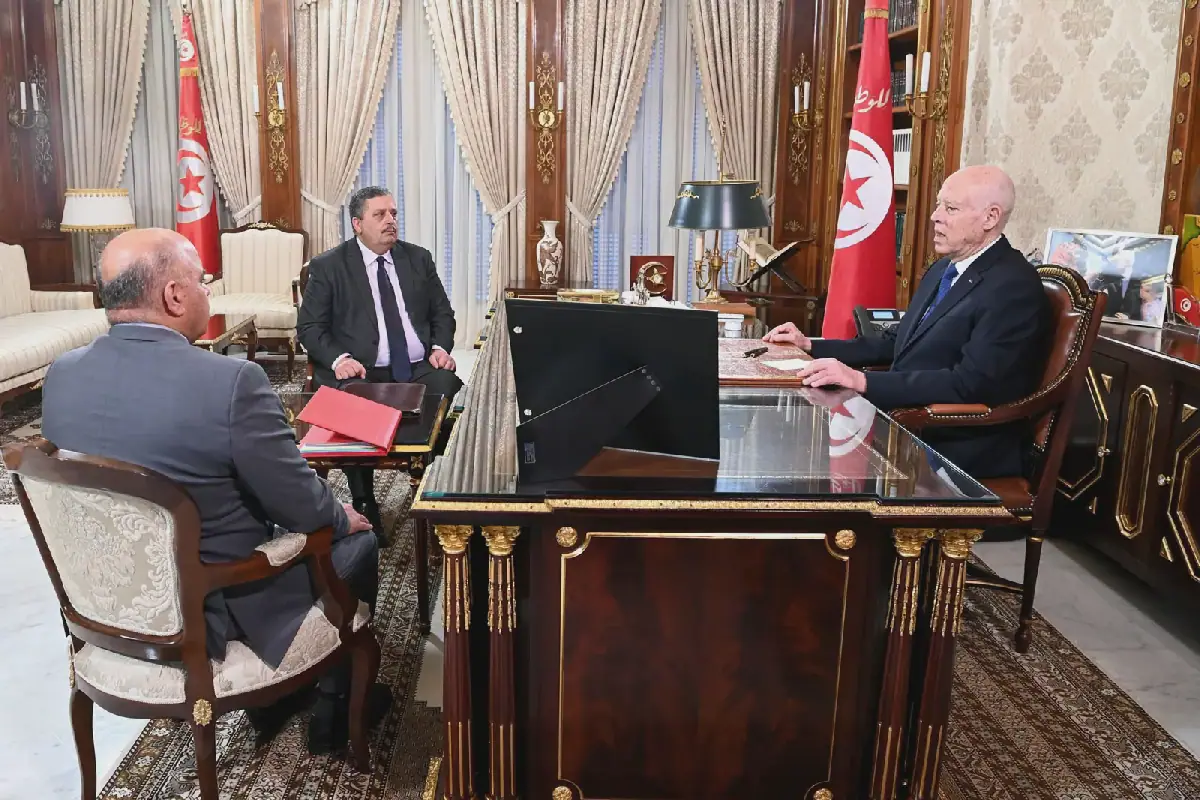
Tunisian President Kaïs Saïed has emphasized the need to ensure equitable access to school transport across all regions of the country. During a meeting with Education Minister Noureddine Nouri and Transport Minister Rachid Amri at the Carthage Palace on November 27, Saïed stressed that equal access to education depends not only on the availability of schools and educational infrastructure but also on the conditions of student transportation. Many students face difficulties traveling long distances to school, often under challenging conditions.
The issue of school transport and unequal access to education was at the center of discussions between Saïed and the two ministers. The president highlighted the territorial disparities affecting access to education, particularly when schools are far from students' homes, creating additional obstacles to enrollment. Saïed called for better coordination between state institutions to address these challenges. He emphasized the importance of pooling resources and converging efforts to meet citizens' expectations nationwide.
Saïed also underscored the role of the Higher Council for Education and Teaching in building a national education system based on equity and equal opportunities. This institution is tasked with contributing to an educational framework that allows all Tunisians to access the same opportunities for success and excellence, regardless of their region of origin. The president stressed that achieving equal access to education requires mobilizing all energies and implementing comprehensive reform across the country.
The meeting took place as part of efforts to address several issues related to students' situations and education reform. Saïed's call for action comes amid concerns about the current state of education and transport in Tunisia. The president's emphasis on equity in education and transport reflects the government's focus on addressing territorial disparities and ensuring equal opportunities for all students.
According to Saïed, eliminating illiteracy and enabling Tunisia to reach high levels in science and knowledge are key objectives. He insisted that equality in access to education cannot be achieved through mere declarations but requires concrete actions and comprehensive reform. The president's statements highlight the government's commitment to improving education and transport, critical sectors that impact the country's development.
The issue of school transport has been a recurring concern in Tunisia, with many students facing difficulties accessing educational institutions due to long distances and inadequate transportation. Saïed's call for equitable school transport and education reform reflects the government's awareness of these challenges and its determination to address them. The involvement of multiple ministries in addressing these issues underscores the complexity of the challenges and the need for a coordinated response.
As Tunisia continues to work towards achieving its education and development goals, the president's emphasis on equity, equality, and comprehensive reform is likely to remain a guiding principle. The success of these efforts will depend on the government's ability to mobilize resources, coordinate actions, and engage all stakeholders in the reform process. By prioritizing education and transport, Tunisia aims to create a more equitable and effective education system that benefits all its citizens.
Key points
- Tunisian President Kaïs Saïed calls for equitable school transport and accelerated education reform to address territorial disparities and ensure equal opportunities for all students.
Reporting sources
- Kaïs Saïed appelle à garantir un transport scolaire équitable et à accélérer la réforme du système éducatif · Radio Tunis Chaîne Internationale