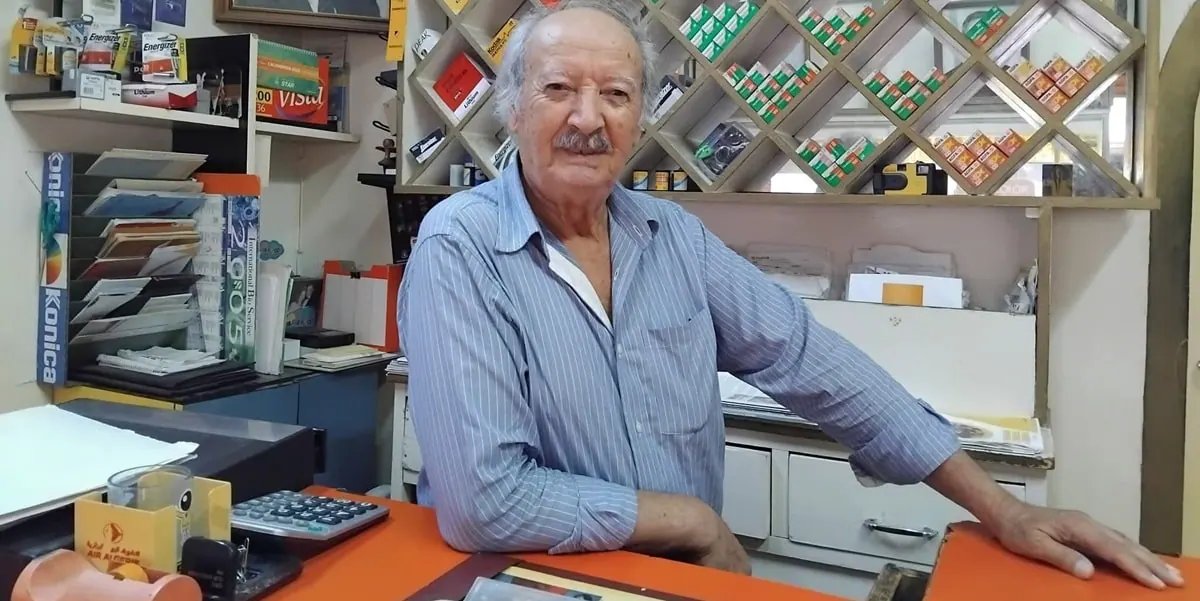
In a chance encounter, a reporter photographer was found at the Flash studio on Rue Lénine, a location that has been a staple for identity photos for over 50 years. The studio, which has been a favorite among locals, has a rich history dating back to its Italian origins. Many photographers of Italian descent had established a reputation in Tunisia, particularly for wedding photos. The reporter's personal connection to the studio sparked a nostalgic reflection on the evolution of photography in the country.
The reporter's childhood memories of photography studios in Tunis include Foly Photo at the Palmarium, run by a German couple, and Bruno on Rue d'Algérie. These studios, along with Flash and Guyse, were popular destinations for photography needs. The Italian influence on photography in Tunisia was significant, with many photographers establishing themselves in the country. The reporter's experiences at these studios evoke a sense of nostalgia and appreciation for the country's visual heritage.
The Flash studio, in particular, has a storied history. Initially managed by Roger Pariente, it was later taken over by Antonio Castro. The studio's reputation endured, and it remained a popular choice for photography needs. The reporter's encounter with Pariente in Paris, years after leaving Tunis, was a remarkable coincidence. Their conversation about old times and shared experiences highlighted the lasting impact of these photography studios on the lives of those who frequented them.
Mohamed Jouini, a reporter photographer, continues to operate at the Flash studio on Rue Lénine. Despite the challenges of maintaining a business in the city center, Jouini remains committed to his craft. His long career is a testament to the enduring importance of photography in Tunisian culture. The reporter's reunion with Jouini was a welcome surprise, and their conversation about the state of the city center and the challenges of their profession was both nostalgic and optimistic.
The presence of the Lycée Carnot, a historic school, is still felt in the neighborhood. Although the school has undergone changes and been renamed, its legacy remains. The reporter's memories of the school, including its imposing structure and hidden passageways, are still vivid. The Lycée Carnot's impact on the community extends beyond its physical presence, evoking a sense of nostalgia and shared experience among those who attended.
As the reporter strolled through the neighborhood, memories of the past came flooding back. The sight of a vendor selling azaroles, a type of fruit, triggered a recollection of the Lycée Carnot's secret door. The reporter's reflections on the past were bittersweet, acknowledging the changes that have taken place in the city. Despite these changes, the legacy of iconic photography studios like Flash, Guyse, Bruno, and Foly Photo endures.
The story of these photography studios serves as a reminder of the importance of preserving cultural heritage. The reporter's nostalgic look back at these studios and their impact on Tunisian culture highlights the need to appreciate and protect the country's visual legacy. As the city continues to evolve, it is essential to remember and honor the contributions of these iconic studios and their role in shaping the country's identity.
Key points
- The Flash studio on Rue Lénine has been a staple for identity photos for over 50 years.
- Many photographers of Italian descent established a reputation in Tunisia, particularly for wedding photos.
- The legacy of iconic photography studios like Flash, Guyse, Bruno, and Foly Photo continues to evoke nostalgia and appreciation for Tunisia's visual heritage.