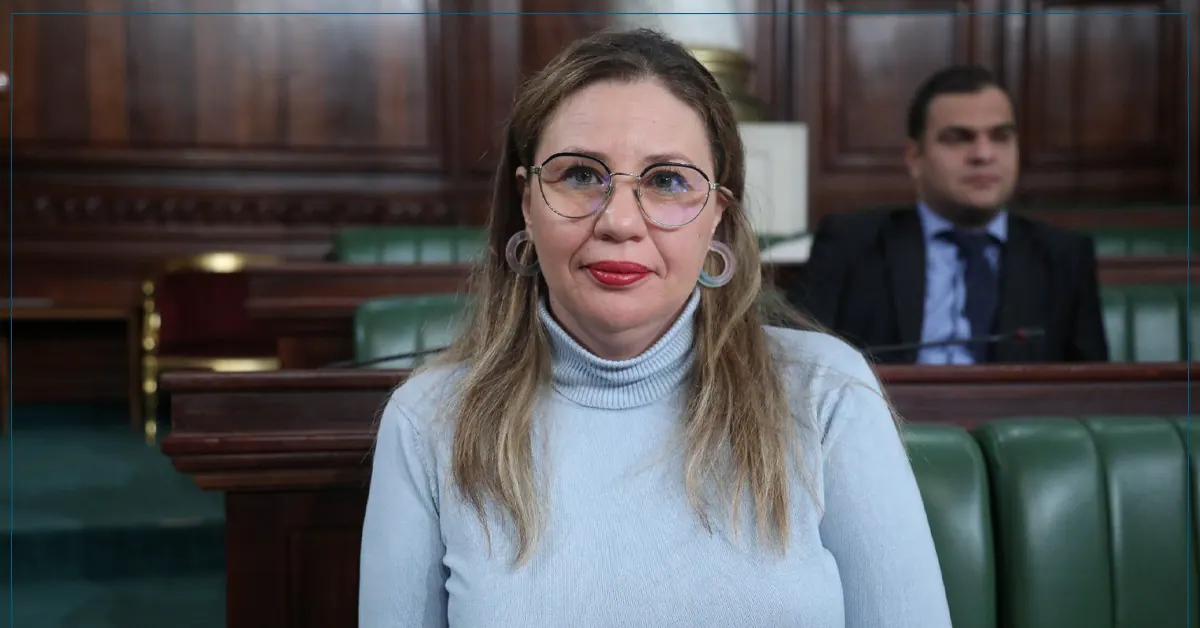
Tunisian MP Fatma Mesdi has stated that the relationship between the country's executive and legislative branches is experiencing tension. In an interview on Diwan FM's "In 60 Minutes" program, Mesdi expressed concerns about the government's interaction with parliamentary work. She noted that some government members are not participating in committee meetings to discuss legislative initiatives and proposals submitted by deputies. This, she believes, hampers the legislative process.
Mesdi also mentioned that several laws passed by the Assembly of People's Representatives have not been implemented. She accused the government of disregarding the role of deputies, stating that the executive branch does not want to be monitored. According to Mesdi, this attitude contributes to the strained relations between the two branches. The MP's comments come as the Assembly prepares to resume its activities for a new parliamentary session.
The Assembly of People's Representatives concluded its fourth ordinary session on July 29, 2026. Mesdi suggested that the delay in announcing the opening date of the new session might be intentional. However, she did not provide a specific date for the new session's start. The MP's statements highlight ongoing concerns about the functioning of Tunisia's democratic institutions.
Mesdi's remarks reflect broader concerns about the state of Tunisia's democracy. The country has faced criticism for its handling of human rights and press freedom. The relationship between the executive and legislative branches is crucial in ensuring effective governance and accountability. Mesdi's comments are likely to spark further debate about the role of parliament in Tunisia's democratic system.
The Tunisian government has been working to strengthen its relations with the parliament. However, Mesdi's statements suggest that more work needs to be done to address the existing tensions. The MP's concerns about the government's attitude towards parliamentary work are shared by other deputies. This has led to increased scrutiny of the executive branch's actions.
The Assembly of People's Representatives plays a vital role in promoting democratic governance in Tunisia. The parliament has the power to pass laws and hold the government accountable. Mesdi's comments highlight the need for greater cooperation between the executive and legislative branches. This cooperation is essential in addressing the country's challenges and promoting economic growth.
The Tunisian parliament's ability to function effectively is crucial in maintaining stability and promoting democracy. Mesdi's statements reflect the ongoing challenges facing the country's democratic institutions. The government and parliament must work together to address these challenges and promote greater transparency and accountability.
Key points
- The relationship between Tunisia's executive and legislative branches is tense, according to MP Fatma Mesdi.
- Mesdi cited the government's lack of engagement with parliamentary work and the non-implementation of several laws passed by the parliament.
- The Assembly of People's Representatives is set to resume its activities for a new parliamentary session.