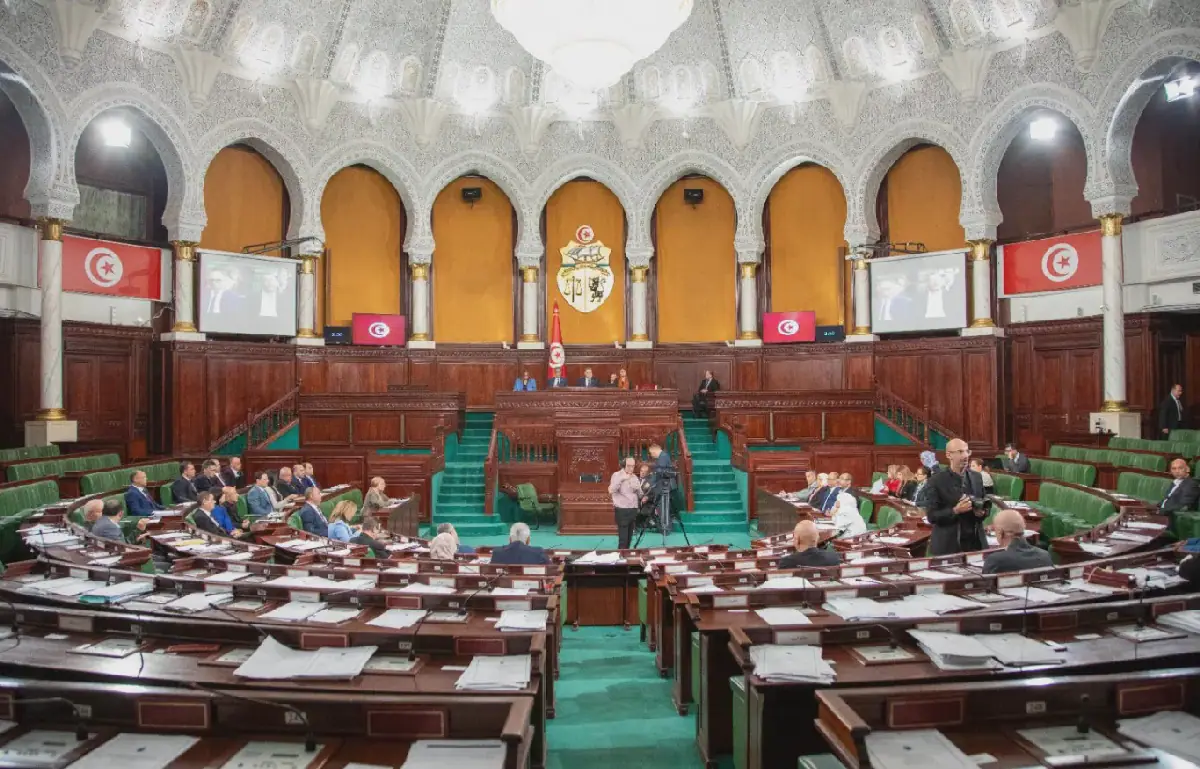
Tunisian parliamentarians have highlighted the need for educational reform, development of public schools, and resolving professional files. During a discussion on the 2027 state budget, lawmakers stressed the importance of continuing educational reform, reviewing educational programs and curricula, and developing the infrastructure of educational institutions. They also emphasized the need to improve working conditions for teachers and resolve their professional files.
The parliamentarians, who met in a session attended by Minister of Education Noureddine Nouri, emphasized the importance of developing educational content and teaching methods that take into account students' abilities and levels. They also called for reviewing the school schedule and evaluation system, reducing program density, and adjusting exam and test periods, particularly in primary education.
The lawmakers also discussed the need to develop educational institutions, improve their infrastructure, and provide basic facilities to make them stimulating spaces for learning and creativity. They highlighted the situation of several institutions that require maintenance, renovation, and provision of necessary equipment, including schools in the Kairouan region.
The parliamentarians also emphasized the importance of improving school services, particularly in internal regions, where one lawmaker noted that 269 primary schools in Sidi Bouzid do not provide school meals. They called for enhanced regional and local coordination, provision of necessary human resources, and ensuring that services reach their intended recipients.
The lawmakers also stressed the pivotal role of teachers in the educational system and the need to enhance their status, experience, and opportunities for continuous training. They also called for improving working conditions, salaries, and promotions for teachers, as well as providing psychological and social support for teachers and their families.
The parliamentarians also renewed their calls for resolving outstanding professional files, particularly the status of application guides for education and substitute teachers before 2006 and 2008, and those outside the data base. They emphasized the need for fairness and completion of the settlement of their professional and administrative situations.
In conclusion, the parliamentarians agreed that educational reform has multiple dimensions that require integrated efforts, including developing programs and curricula, improving teacher working conditions, and developing infrastructure and school services. They emphasized the need to enhance education quality and establish public schools as spaces for learning, creativity, and education for future generations.
Key points
- Educational reform and development of public schools are crucial for improving education quality in Tunisia.
- Resolving professional files of teachers and educational staff is essential for enhancing their status and working conditions.
- Improving school services, particularly in internal regions, is vital for ensuring equal access to education.
Reporting sources
- Radio Monastir · Radio Monastir