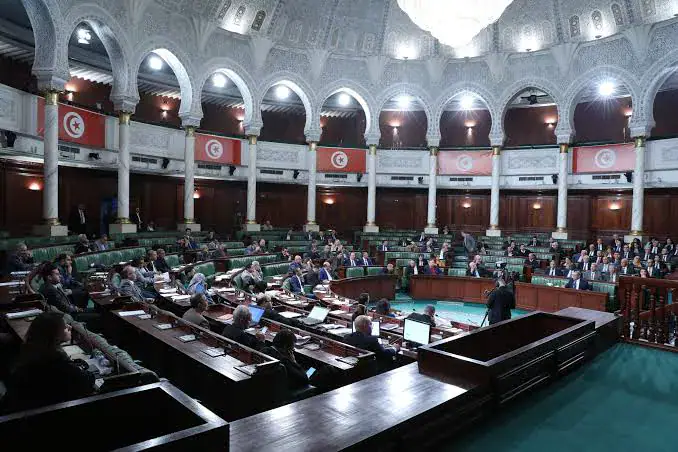
During a joint session of the Assembly of People's Representatives and the National Council of Regions and Districts, Tunisian parliamentarians emphasized the need to enhance women's economic and social empowerment. They called for practical solutions to address social and economic challenges, focusing on women's economic empowerment, social rights protection, and family stability. The discussion was part of the 2027 state budget debate, specifically examining the Ministry of Family, Women, Childhood, and Elderly Affairs' mission.
Parliamentarians stressed the importance of revising work-life balance regulations to support families. They proposed studying the feasibility of flexible working hours for both men and women, enabling parents to dedicate more time to childcare and education. This, they argued, would help reduce family breakdown and its impact on children. Additionally, lawmakers addressed the decline in youth marriage rates due to economic difficulties, unemployment, and high housing costs. They suggested providing accessible marriage loans and social housing for young couples to promote family stability.
The empowerment of women, particularly in rural areas, was another key topic. Parliamentarians highlighted the need for training, financing, and marketing opportunities to improve women's economic independence. They also emphasized protecting women's social rights and preventing exploitation, considering the significant role women play in agriculture and family care. Furthermore, lawmakers advocated for ensuring women's access to their share of the national wealth and promoting their participation in decision-making processes.
The situation of women with limited income working in the informal sector was also discussed. These women, often widows, divorcees, or heads of households, rely on selling simple products in markets to support their families. Parliamentarians called for social and professional solutions, including affordable commercial spaces and simplified licensing procedures. They questioned the existence of a national program to integrate women in the informal sector into the formal economy and the availability of accurate statistics on the number of women benefiting from such activities.
The issue of retirement and pension rights for women was raised, with some lawmakers advocating for a review of the requirement to have three children to be eligible for optional retirement. They argued that linking retirement to this condition could lead to discrimination among working women. The possibility of lowering the retirement age for women in the private sector was also suggested. Additionally, parliamentarians discussed the challenges of implementing court judgments related to alimony and urged a review of the mechanisms in place to ensure the effective execution of these judgments.
One parliamentarian drew attention to the situation of employees and officials of the National Union of Tunisian Women, calling for government intervention to resolve the organization's financial and legal difficulties. She emphasized that the union, which has played a significant role in promoting women's rights and integration since 1956, should not face financial struggles while advocating for women's empowerment. The parliamentarian stressed the need for concrete solutions to ensure the rights of these employees and to prevent further social difficulties.
In conclusion, Tunisian parliamentarians reiterated their commitment to promoting women's economic empowerment and social protection. They emphasized the importance of addressing the challenges faced by women, particularly in rural areas and those working in the informal sector. By implementing practical solutions and revising existing regulations, lawmakers aim to support family stability and promote women's participation in the economy and decision-making processes.
Key points
- Tunisian lawmakers demand measures to boost women's economic empowerment, protect social rights, and support family stability.
- Parliamentarians call for practical solutions to address social and economic challenges, focusing on women's economic empowerment, social rights protection, and family stability.
- Lawmakers advocate for ensuring women's access to their share of the national wealth and promoting their participation in decision-making processes.
Reporting sources
- Radio Monastir · Radio Monastir