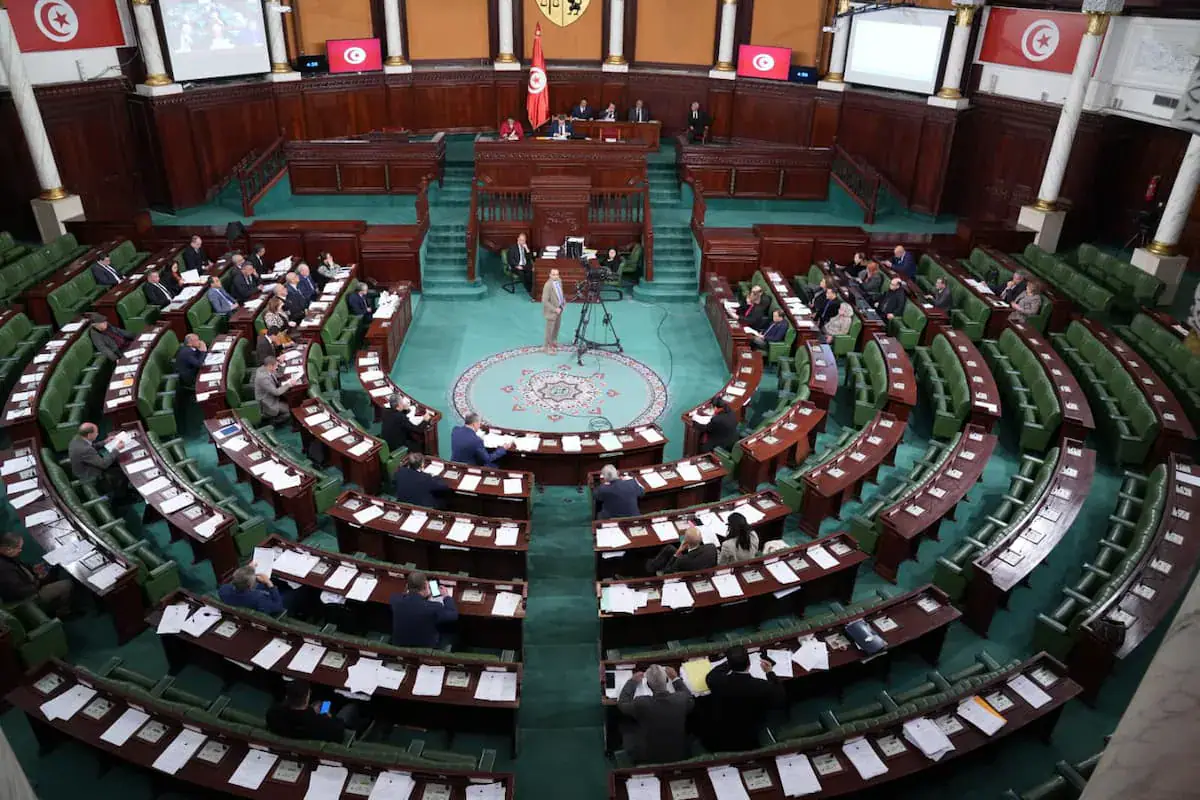
The Tunisian Assembly of People's Representatives (ARP) recently convened to discuss the 2027 State and Economic Budgets. Deputies emphasized the need for a transition to a productive economic model based on investment, expanding the production base, and creating wealth. They called for revising budget financing mechanisms and diversifying state resources, arguing that reliance on fiscal revenues and debt is unsustainable for public finances.
Deputy Youssef Tarchoune stated that systematically relying on taxation to balance the budget is a temporary solution, advocating for the exploitation of the country's economic potential. Abderrazek Aouidet noted that 91% of budget resources come from fiscal revenues and the Central Bank's contribution, criticizing a budget that primarily focuses on accounting and does not encourage the creation of new wealth.
Independent deputy Mahmoud El Amri stressed the importance of attracting foreign investments and partnerships while eliminating bureaucratic obstacles. He also warned against recurrent debt accumulation. Other deputies discussed the urgency of updating economic activity regulations, combating tax evasion and the informal economy, and accelerating digitalization.
Nouri Jeridi highlighted regional disparities and project blockages in interior governorates. Abdelhalim Boussema proposed a three-year program to restructure struggling public enterprises, including Tunisair, transport companies, and the Gafsa Phosphate Company. He also emphasized the need to strengthen energy, water, and food security.
Mohamed Majdi criticized the priority given to tax pressure over investment and public enterprise recovery. The debates underscored the necessity of making the 2027 budget a driver of growth, competitiveness, and job creation. The proposed changes aim to transform the economic model and improve public finances.
The deputies' discussions highlighted the need for a more investment-based approach, with a focus on creating wealth and jobs. They also emphasized the importance of addressing regional disparities and improving public enterprise performance. The 2027 budget is expected to prioritize these areas.
The Tunisian government's budget plans for 2027 include increased allocations for various sectors. The Ministry of Finance's budget has risen by 10% to 1,626.6 million dinars. Over 32,000 recruitments and regularizations are planned in the public sector. The government aims to accelerate digitalization and improve public services.
Key points
- Deputies advocate for a shift to a productive economy based on investment.
- The current budget relies heavily on taxation and debt, which is deemed unsustainable.
- Lawmakers propose measures to attract foreign investment, combat tax evasion, and improve public enterprise performance.
Reporting sources
- Budget 2027 : le plaidoyer des députés pour un modèle économique axé sur l’investissement · L'Économiste maghrébin