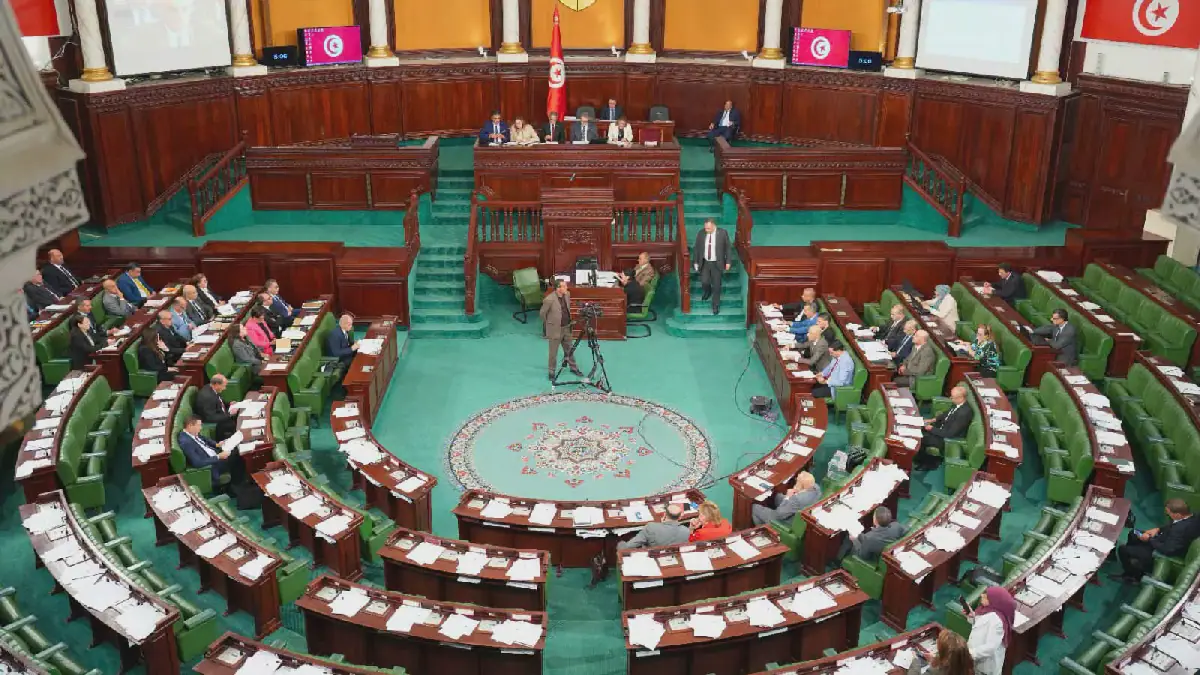
Tunisian parliamentarian Fahmi Mbarek proposed the creation of a national environmental council for children during a plenary session at the Bardo Palace on November 23, 2026. The council would comprise selected students from schools and high schools across the country's governorates. Mbarek's initiative aims to spread ecological culture, contribute to practical solutions, and monitor environmental issues in their respective regions.
The proposed council is part of Mbarek's efforts to involve children in environmental decision-making processes. He also suggested organizing an annual plenary session, dubbed the "Parliament of the Environment for Children," where young people would debate ecological issues and present their visions and proposals. This initiative aligns with national efforts to instill ecological awareness from a young age and promote environmental transition through the education system.
The Tunisian Ministry of Environment has launched a call for projects to support associations in implementing innovative environmental and climate education programs for young people in schools and youth centers. This move demonstrates the government's commitment to promoting ecological awareness and education among the youth. The ministry's initiative complements Mbarek's proposal, highlighting the importance of involving children in environmental issues.
Mbarek's proposal has sparked interest among stakeholders, who see it as a way to empower children to take ownership of environmental issues. By involving children in environmental decision-making, the government can ensure a more sustainable future for the country. The proposed council would provide a platform for children to share their ideas and perspectives on environmental issues affecting their communities.
The creation of a national environmental council for children would also provide an opportunity for the government to engage with young people and promote environmental education. The council would enable children to develop practical solutions to environmental problems and contribute to the development of sustainable policies. This initiative is expected to have a positive impact on environmental awareness and education in Tunisia.
Environmental stakeholders have welcomed Mbarek's proposal, citing the need for increased environmental awareness and education among children. They believe that involving children in environmental issues will help shape their attitudes and behaviors towards the environment. The proposed council is seen as a step in the right direction towards promoting environmental sustainability in Tunisia.
The Tunisian government has emphasized its commitment to promoting environmental sustainability and education. The proposed national environmental council for children is part of a broader effort to engage citizens, particularly young people, in environmental issues. The initiative is expected to contribute to the development of a more environmentally conscious and sustainable society in Tunisia.
Key points
- The proposed council aims to spread ecological culture and involve children in environmental decision-making processes.