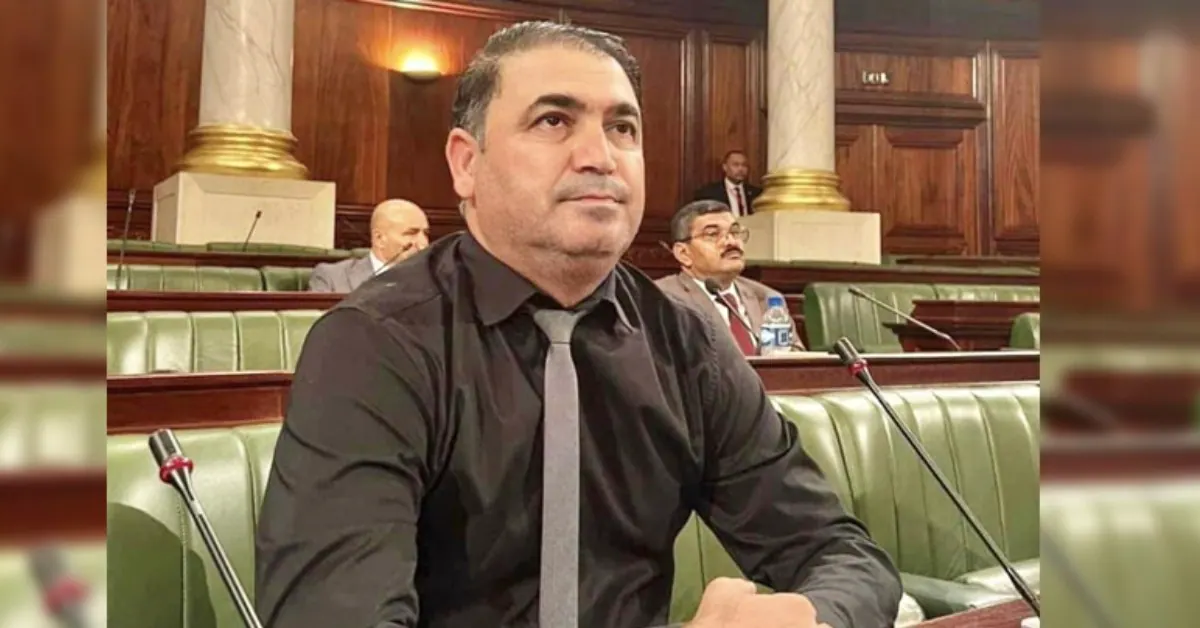
Tunisian MP Sabir Jlassi, head of the parliamentary strategic planning committee, has announced that the committee will present four legislative proposals by the end of February 2027 to address infrastructure issues in Tunisia. These proposals aim to regulate informal construction and buildings that do not comply with building permits. Jlassi made these remarks during an interview on Diwan FM's "Hna Touns" program.
The four proposals include exceptional procedures to regularize the status of buildings and projects in agricultural areas with changed functions, organization of vertical housing and residential apartments, regularization of the real estate situation in popular and informal neighborhoods, and regularization of buildings constructed in violation of building permits. These neighborhoods are home to approximately 1.2 million Tunisian citizens.
Jlassi emphasized that these proposals are part of the solution but cannot resolve all infrastructure and urban planning issues. He stressed the need for municipalities to update urban planning examples to match urban developments and risks faced by residential areas. Jlassi called on the Ministry of Equipment to present a new project for a territorial planning and urban planning code and establish a national urban planning agency.
Regarding stormwater drainage, Jlassi highlighted the importance of the National Sanitation Office and municipalities playing their roles, particularly in separating stormwater drainage channels from wastewater drainage channels. This would improve the capacity of drainage networks to handle rainfall quantities. He also urged the Ministry of Agriculture to review the agricultural map to match urban and economic changes in several regions.
The proposals are currently awaiting presentation to the plenary session. Jlassi's announcement comes as Tunisia faces challenges related to informal construction and infrastructure. The Tunisian government has been working to address these issues, and the new legislative proposals aim to provide a comprehensive solution.
Jlassi's call for updated urban planning and a new territorial planning code reflects the need for a comprehensive approach to addressing Tunisia's infrastructure challenges. The establishment of a national urban planning agency is also expected to play a crucial role in regulating and overseeing urban development in the country.
The Tunisian parliament's efforts to address informal construction and infrastructure issues are ongoing. The four legislative proposals are expected to contribute to resolving some of the country's urban planning challenges. The government and parliament will need to work together to implement these proposals and address the complex issues surrounding informal construction and infrastructure development.
Key points
- The Tunisian parliament will present four legislative proposals to address informal construction and regulate building permits by the end of February 2027.