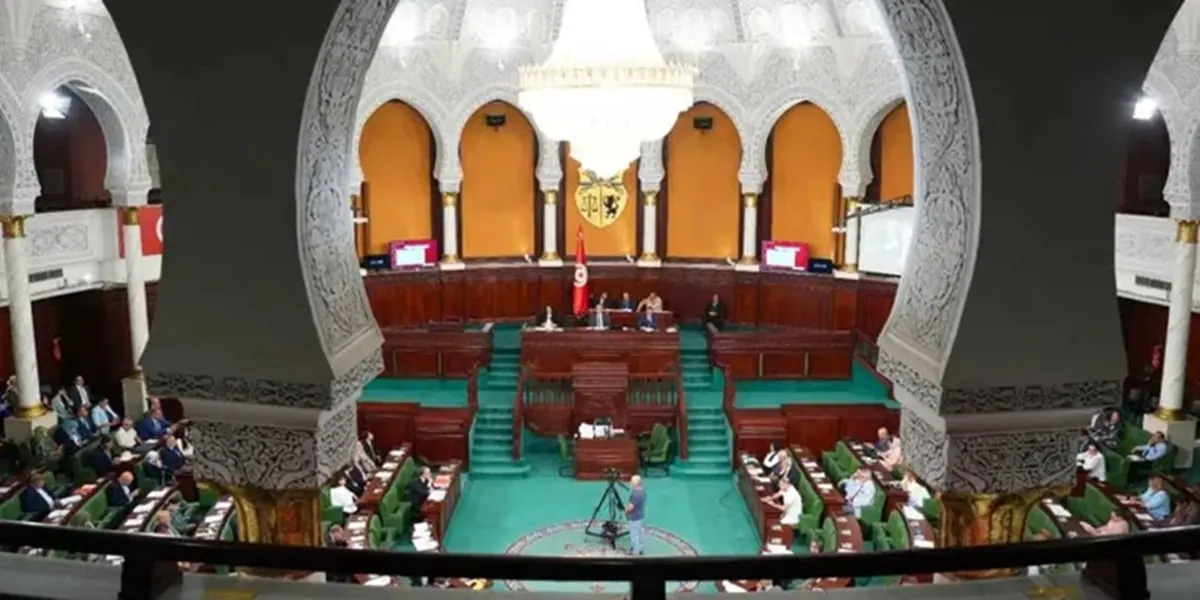
Tunisia's Assembly of People's Representatives' Finance and Budget Commission began examining the general orientations of the 2027 budget and reviewing the execution of the 2026 budget for the first half of the year. This dual examination aims to provide lawmakers with a clearer picture of the country's public finances before debating the 2027 finance bill. The commission is seeking clarification on several financial commitments and balances of the state.
The commission's chairman, Maher Ketari, stated that the 2027 budget is being developed in parallel with the 2026-2030 development plan, targeting a 4% growth rate. He emphasized the need to strengthen the industry sector, which has seen its contribution to GDP decline from 26% in the early 2000s to around 15% currently. The commission is also focusing on public financing, commitments, and expenditure evolution.
The commission is seeking more information on the facilities granted by the Central Bank of Tunisia to the Treasury, totaling 11 billion dinars. They want to know how these resources are being used and allocated, as well as their impact on financial and monetary balances. Additionally, lawmakers are requesting clarification on state guarantees for loans to public enterprises and establishments.
These questions are part of the examination of the 2026 budget execution during the first half of the year, prior to the definitive debate on the 2027 budget. The commission aims to assess the potential impact on public finances. The current budget's execution and the next year's choices will be closely scrutinized.
The commission is also monitoring the effects of rising oil prices on the state's budget. The evolution of the energy market may alter the balances planned for 2026 and the assumptions made for 2027. Maher Ketari noted that maintaining current fuel prices would help preserve citizens' purchasing power.
The commission will continue examining the two documents transmitted by the Ministry of Finance. The minister will be invited to participate in meetings dedicated to these texts before the debate on the 2027 finance bill. Discussions will focus on the 2027 orientations, as well as the actual execution of the current budget, Treasury financing, state commitments, and the impact of fluctuations in oil prices.
The examination of the 2027 budget and 2026 execution will provide valuable insights into Tunisia's economic situation. The commission's work will help lawmakers make informed decisions about the country's financial priorities. Key issues, such as industry sector growth, public financing, and the impact of oil price fluctuations, will be closely watched.
Key points
- The Tunisian parliament's finance commission is scrutinizing the 2027 budget and 2026 financial execution to assess the country's economic situation and make informed decisions about financial priorities.