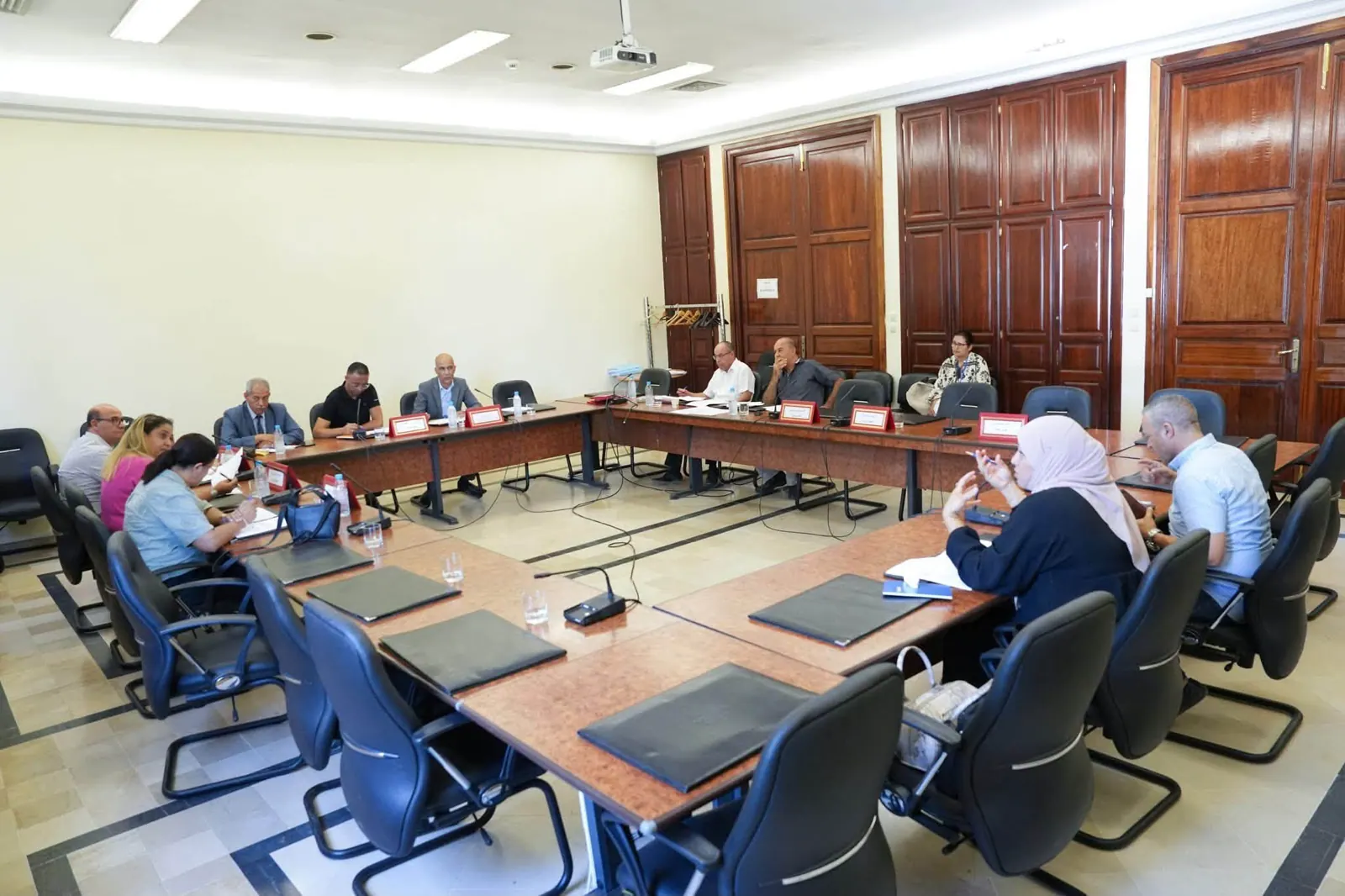
The Tunisian Parliament's Health Committee held a session on October 6 to discuss a proposed law regulating the establishment of nurseries and kindergartens. According to a parliamentary statement, committee members emphasized the importance of thoroughly studying the proposal and its various chapters, considering the crucial role these institutions play in shaping a child's personality, psychological balance, and social integration. The committee reviewed the content of the first chapter of the proposal and examined observations and amendment proposals from various parties heard during previous sessions.
Committee members discussed the second and third chapters, with some suggesting raising the age limit for children to be accepted into nurseries from two to three months, in line with Law No. 44 of 2024, which regulates maternity and paternity leave in the public and private sectors. This law allows all mothers to take a three-month maternity leave. The committee also deliberated on preparatory sections, agreeing that there are several issues related to opening these sections in kindergartens, schools, and even Koranic schools, with varying contents, educator specialties, and material conditions for receiving children.
The meeting highlighted the need for unified pedagogical programs and condition books between various ministries related to childhood institutions. Committee members stressed the importance of regulating the sector due to the increasing number of random childhood institutions operating without supervision or respect for social and tax duties, posing a significant risk to young people's upbringing. Some members also pointed to the sharp rise in nursery and kindergarten service prices, especially in Tunis and major cities, suggesting the possibility of capping them.
The committee decided to postpone consideration of the proposal and further deepen its study, possibly listening to other structures. According to the parliamentary statement, the committee aims to thoroughly examine the proposal's provisions. The discussion also touched on the importance of adopting unified programs and condition books between different ministries concerned with childhood institutions.
The proposed law aims to regulate the establishment of nurseries and kindergartens, ensuring they operate in a safe and healthy environment. Committee members acknowledged the significance of these institutions in early childhood education and care. The committee's discussions focused on various aspects of the proposal, including the age limit for children, qualifications for educators, and the need for standardized programs.
Tunisian lawmakers are working to create a regulatory framework for nurseries and kindergartens, addressing concerns about the quality of care and education provided. The committee's review of the proposal is ongoing, with a focus on ensuring that the institutions meet the necessary standards. The proposed law is expected to provide a comprehensive framework for the establishment and operation of these institutions.
The Health Committee's discussion of the proposed law reflects the Tunisian government's efforts to improve early childhood education and care. The committee's work aims to ensure that nurseries and kindergartens provide a safe, healthy, and nurturing environment for young children. Key points include regulating the sector, adopting unified programs, and addressing concerns about costs and quality of care.
Key points
- The Tunisian Parliament's Health Committee is studying a proposed law to regulate nurseries and kindergartens.
- Committee members are discussing various aspects of the proposal, including age limits, educator qualifications, and standardized programs.
- The proposed law aims to ensure that nurseries and kindergartens operate in a safe and healthy environment, providing quality care and education for young children.