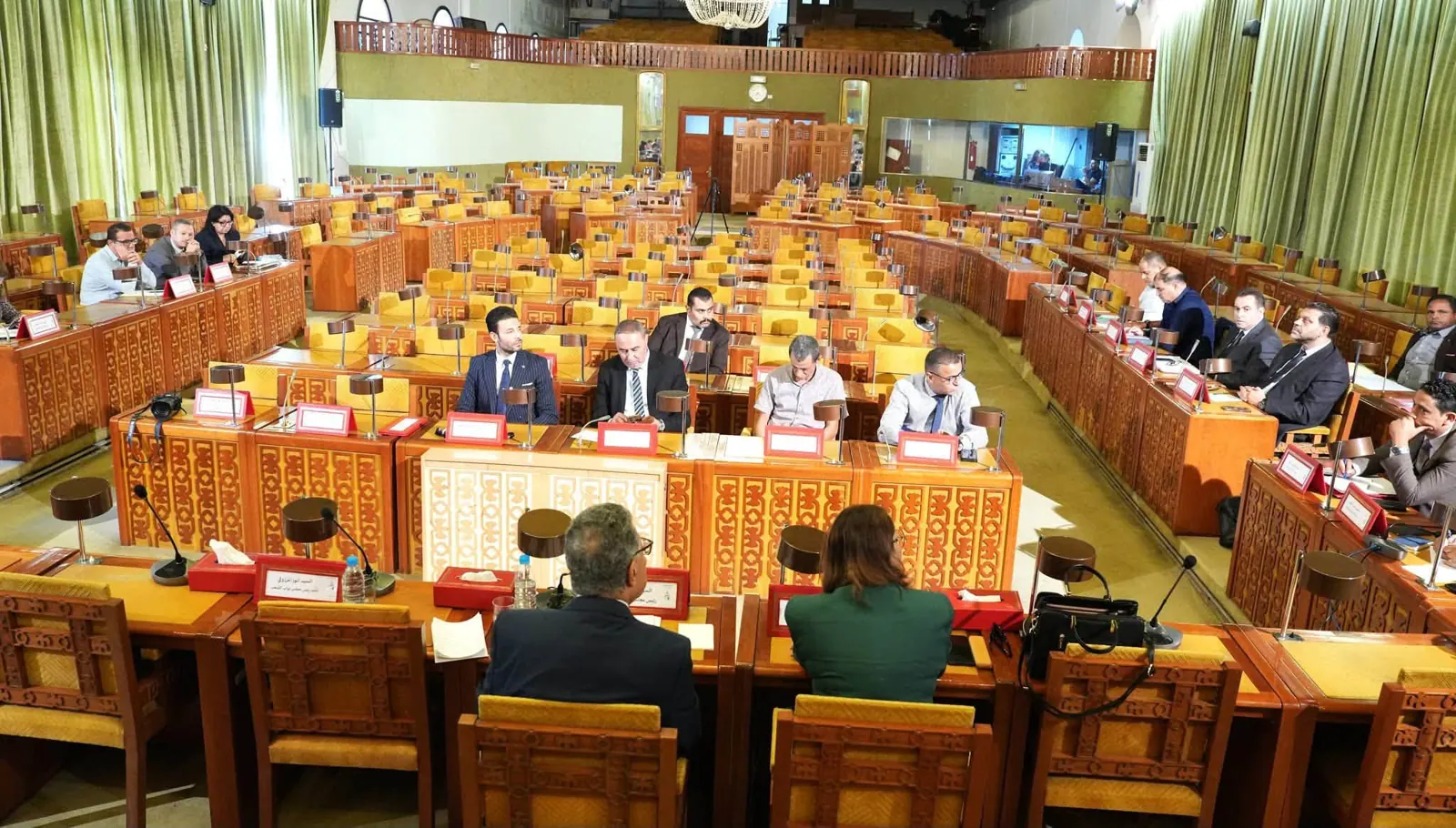
In a recent meeting, members of the Tunisian parliament's Heads of Commissions emphasized the need for the legislature to regain its full role in legislative initiative and enhance its oversight role. They argued that the parliamentary work should not be limited to discussing government-proposed bills and loan agreements only. Instead, the parliament should be able to propose and develop its own bills that respond to citizens' aspirations and provide solutions to existing problems.
The meeting, chaired by the Speaker of the Parliament, Ibrahim Boudherbala, also highlighted the importance of strengthening the parliament's oversight role. Members stressed that this role should not be limited to written questions but should include oral questions, dialogue with government members, and field visits to monitor the situation in different regions and address citizens' concerns. They also emphasized the need to support parliamentary initiatives to consolidate the parliament's role as a proactive source of legislative initiative and a key contributor to developing the national legal system.
The members also discussed several important bills that have not been completed and were issued as decrees. They emphasized the importance of presenting these decrees to the parliament and completing their legislative process in accordance with Article 73 of the Constitution. Furthermore, they stressed the need to prioritize certain bills and include them in the parliament's agenda, either through government initiatives or proposals from MPs, while respecting the constitutional powers of different state institutions.
The economic and financial situation was also on the agenda, particularly the impact of rising oil prices on financial balances. Members emphasized the need to prepare a supplementary finance law and approve it if necessary to address budget and financial imbalances. They also stressed that the parliament should play its role in discussing financial and economic options, monitoring budget implementation, and evaluating public policies to ensure transparency and efficiency in managing public funds.
In addition, the members discussed several issues that citizens faced during the summer, including frequent interruptions in water and electricity supply and fires in several areas. They emphasized the need to investigate the causes of these issues, follow up on measures taken to address them, and prevent their recurrence in the future. The importance of coordination and communication between state institutions was also highlighted, with members stressing the need to develop institutional communication channels to unify efforts and clarify roles.
The meeting also touched on the importance of activating parliamentary diplomacy and enhancing the presence of the Tunisian parliament in regional and international parliamentary forums. This, members argued, would help promote Tunisia's positions, defend its interests, and enhance its influence in different international parliamentary spaces. The Speaker of the Parliament emphasized the need for good preparation for the upcoming parliamentary session and strengthening the credibility of the parliamentary institution.
The Heads of Commissions meeting is a consultative and coordinating body that includes the Speaker of the Parliament, his deputies, assistant deputies, heads of standing committees, heads of parliamentary blocs, and representatives of non-affiliated members. The body is responsible for programming legislative work, evaluating parliamentary performance, and proposing ways to improve the organization of plenary sessions and committee work.
Key points
- The Tunisian parliament's Heads of Commissions stress the need for the legislature to regain its full role in legislative initiative and enhance its oversight role.