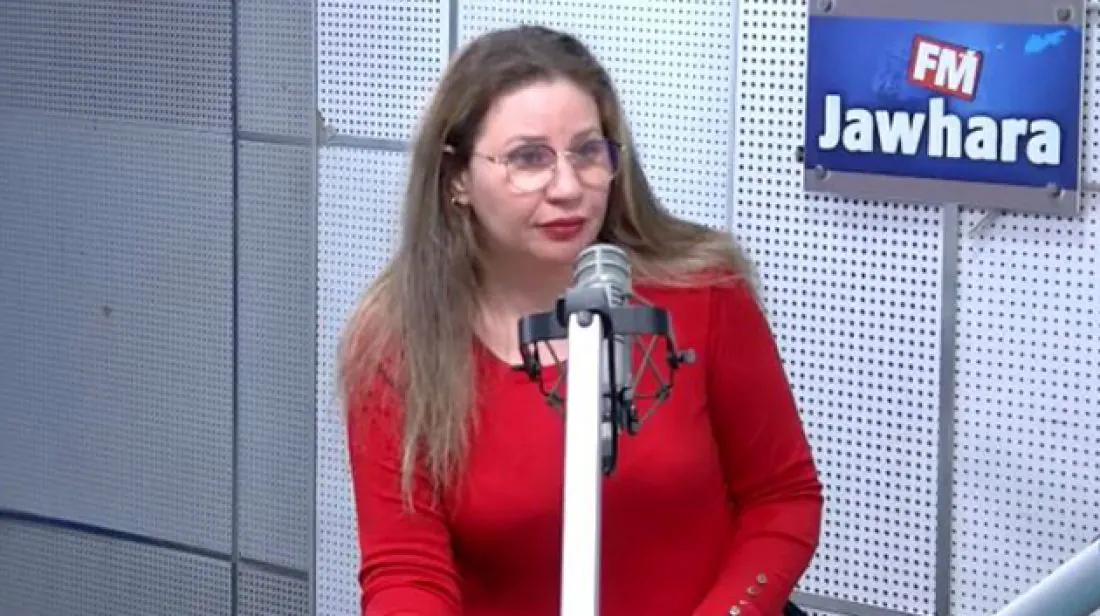
On September 30, 2026, Tunisian lawmaker Fatma Mesdi stated that a proposed revision to the country's drug law, which has been in place since 1992, could bring about a significant change if passed. The proposed law aims to update the country's approach to combating drug-related crimes, which have evolved over the years. Mesdi noted that Tunisia has transformed from a transit hub to a market for drug trafficking and consumption.
Mesdi, a member of the Tunisian parliament, explained that the proposed law has been under consideration since February 2025 and is currently being reviewed by the General Legislation Committee. The committee is expected to conduct hearings with experts and stakeholders to discuss the proposed revisions. Mesdi made these comments during a phone interview on the radio program "Sabah Al-Ward" on Jawhara FM.
One of the key aspects of the proposed law is the inclusion of a legal framework to protect security personnel from harm while carrying out their duties. This provision aims to provide legal protection to security agents who infiltrate and dismantle drug trafficking networks, similar to the protections afforded under the country's anti-terrorism law. Mesdi emphasized that this provision is crucial in ensuring the safety of security personnel.
The proposed law also seeks to increase penalties for drug traffickers and kingpins. The current law is being revised to eliminate an outdated article and replace it with a new provision that imposes harsher penalties, including prison sentences ranging from 20 years to life and fines between 500,000 and 1 million dinars. These penalties would apply to individuals who engage in or manage drug trafficking networks within or outside the country.
Furthermore, the proposed law aims to protect minors from drug-related crimes. It proposes stricter penalties, including up to 15 or 20 years in prison, for individuals who intentionally introduce narcotics into food or drinks without the consumer's knowledge. Additionally, the law would impose maximum penalties on those who exploit, incite, or encourage minors to consume or traffic drugs.
Mesdi's comments highlight the Tunisian government's efforts to combat the growing threat of drug trafficking in the country. The proposed revisions to the drug law aim to address the evolving nature of drug-related crimes and provide a more effective framework for law enforcement agencies to tackle these issues.
The proposed law is part of a broader effort to strengthen Tunisia's response to drug trafficking and related crimes. If passed, the revised law could lead to increased cooperation between law enforcement agencies and more effective strategies for combating drug trafficking networks.
Key points
- The proposed revision to Tunisia's 1992 drug law aims to update the country's approach to combating drug-related crimes.
- The proposed law includes provisions to protect security personnel and increase penalties for drug traffickers.
- The law also seeks to protect minors from drug-related crimes and impose stricter penalties for those who exploit or incite them.