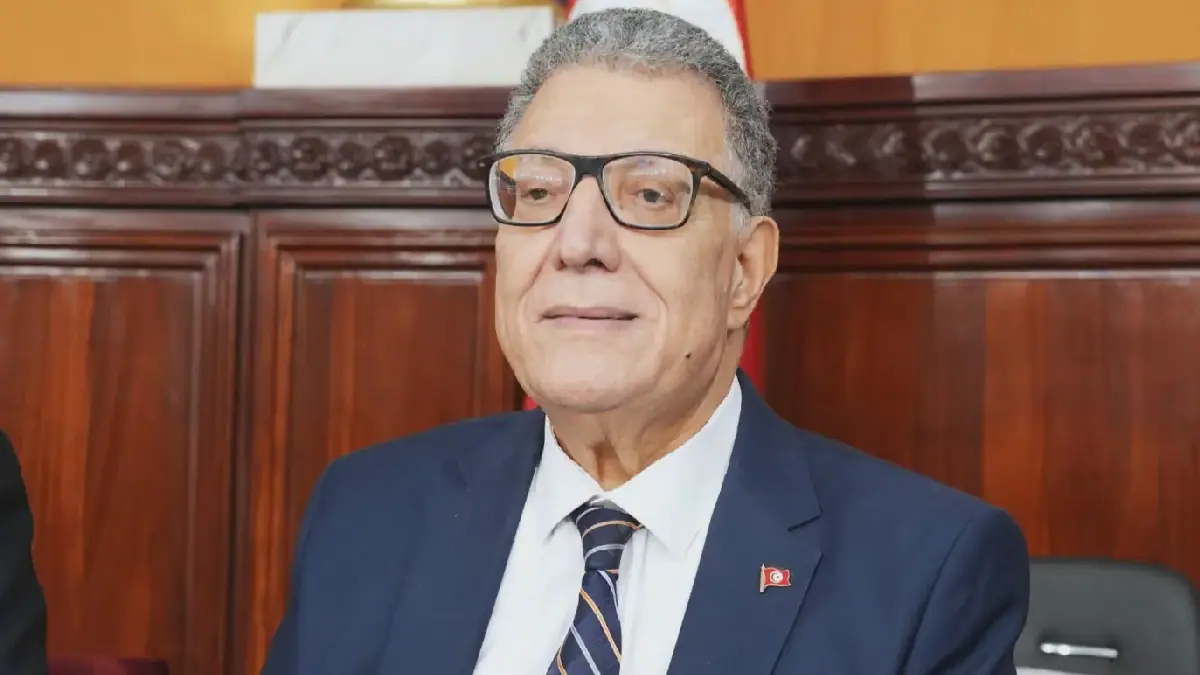
Tunisia's parliament is committed to establishing the foundations of a social state, as stated by Ibrahim Boudarbala, the Speaker of the Assembly of People's Representatives. During a joint plenary session with the National Council of Regions and Districts, Boudarbala emphasized the parliament's dedication to contributing to a prospective approach that serves the country's supreme interests. This approach involves structural and institutional reforms.
Boudarbala highlighted the need for comprehensive reforms across all sectors, focusing on stimulating growth, attracting investments, and continuing tax system reforms. He also stressed the importance of combating financial exclusion, monopolies, smuggling, and changing production and consumption patterns. The reforms should also prioritize adopting new and alternative energy production methods, reducing environmental risks, and ensuring a clean and healthy climate for future generations.
The Speaker of the Assembly of People's Representatives emphasized the parliament's awareness of the challenges posed by the country's financial situation. He noted that the equation of financing state needs while maintaining its social role is fundamental. Boudarbala highlighted the importance of stimulating investment, reducing the tax burden on institutions, integrating the parallel sector, and supporting vulnerable groups.
Boudarbala stated that Tunisia is continuously facing financial challenges, primarily working to reduce the deficit and rely on self-financing. He emphasized the need to manage risks and control balances. The parliament is committed to redoubling efforts during this critical phase to fulfill its duties and engage in the reform process.
The draft law for the 2027 finance bill, which includes discussions on the state budget and economic plan, was presented during the session. Boudarbala expressed his appreciation for the orientations and measures outlined in the draft law, which include supporting small and medium-sized enterprises, enhancing social protection, and promoting food security.
Boudarbala expressed hope that discussions around the orientations and contents will be productive and contribute to addressing the structural causes of financial difficulties. He emphasized the importance of adopting a development model that serves sustainability and meets the needs of the present while ensuring the rights of future generations.
The parliament's priorities include supporting small and medium-sized enterprises, promoting social protection, and enhancing food security. The goal is to achieve the objectives outlined in the 2026-2030 development plan, focusing on establishing a fair and just social state.
Key points
- Tunisia's parliament prioritizes social state foundations amid financial challenges.
Reporting sources
- Établissement de la Radiodiffusion-Télévision Tunisienne · Établissement de la Radiodiffusion-Télévision Tunisienne