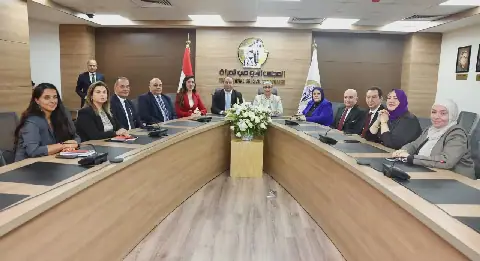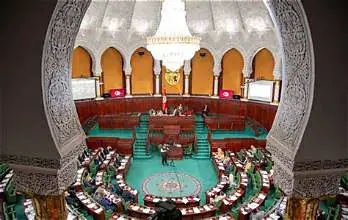
The Tunisian Parliament recently discussed the 2027 education budget, with lawmakers highlighting several shortcomings in the education sector. These include overcrowding in classrooms, deteriorating infrastructure, and delayed maintenance projects. Additionally, lawmakers noted a shortage of teachers and educational staff, as well as an increase in violence, drug use, and school dropouts.
Lawmakers also criticized the state of infrastructure in educational institutions, citing a lack of drinking water, sanitation networks, and spaces for cultural and sports activities in some schools. They questioned the reasons behind delayed maintenance projects and the failure to complete necessary interventions to improve infrastructure. Furthermore, lawmakers expressed concern about the shortage of teachers in certain subjects, particularly mathematics and English.
The parliamentarians called for improved study conditions, including better school meals and transportation. They also emphasized the need to address the issue of professional files, particularly for teachers who started working before 2006 and 2008. Lawmakers urged the government to implement an agreement signed in May 2023, which includes a salary increase for teachers.
The issue of school transportation received significant attention, with lawmakers criticizing the poor conditions, especially in rural areas. They argued that difficulties in transportation and lack of suitable vehicles contribute to school dropouts. Lawmakers also highlighted the need to address social and educational factors that lead to students dropping out of school.
In terms of the education curriculum, lawmakers called for a review of school hours and the adoption of a single-period system. They argued that the current schedule is exhausting and that educational programs have not kept pace with developments. Additionally, lawmakers questioned the effectiveness of model schools, which were introduced in 1983 to improve public education.
Lawmakers also emphasized the need for greater investment in the education sector, citing limited resources as a major constraint. They argued that the current approach to education, which focuses on rote learning, needs to be revised to prioritize student creativity and talent development. Furthermore, lawmakers stressed the importance of coordinating education and vocational training with labor market needs.
Finally, lawmakers called for greater accountability and oversight in the education sector, particularly in private schools. They also emphasized the need to address issues related to teacher training, promotion, and career development. The discussion highlighted the complexities and challenges facing the education sector in Tunisia and the need for comprehensive reforms to address these issues.
Key points
- Lawmakers call for improved infrastructure and revised school hours.
- Parliamentarians emphasize need to address professional files and improve teacher working conditions.
- Discussion highlights need for comprehensive reforms to address education sector challenges.
Reporting sources
- Radio Gafsa · Radio Gafsa