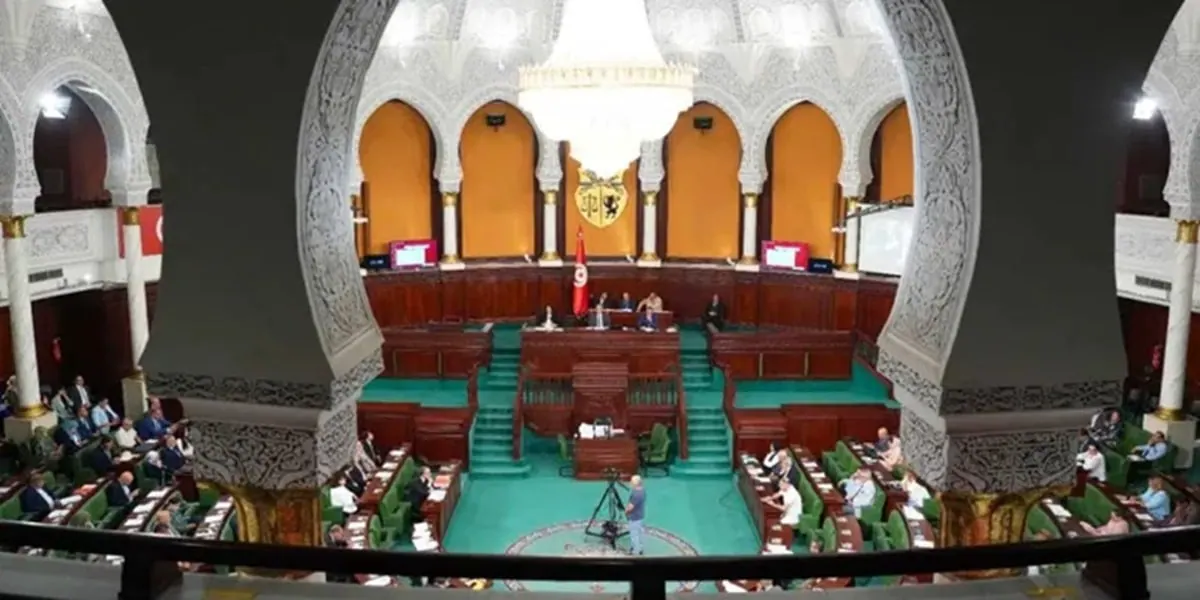
As the Tunisian Parliament prepares to review the 2027 budget bill, the Finance and Budget Committee is seeking greater transparency on the country's public finances. Committee Chairman Maher Kettari announced that they will request a hearing with the Minister of Finance, citing delays in submitting data on the 2026 budget execution. The committee will send a letter to the Ministry of Finance to request explanations for the absence of a report on the state's budget execution for the first half of 2026.
The delayed report, which was due by the end of July, is crucial for the committee to assess the actual spending, project execution, and financial balances. The committee's concerns are compounded by the recent surge in international oil prices, which may impact the country's financial equilibrium. The 2026 budget was based on certain assumptions about hydrocarbon prices, which have since changed. The committee wants to evaluate the consequences of this shift and determine if adjustments or a supplementary budget are needed.
The committee also seeks to examine the financing of the Public Treasury by the Central Bank of Tunisia (BCT). The 2026 finance law authorizes the BCT to grant the Treasury cash facilities of up to 11 billion dinars, interest-free, repayable over 15 years with a three-year grace period. The committee wants to know the terms of use of these facilities and their impact on public finances. This move is part of the committee's efforts to scrutinize the government's financial management.
On the tax front, Maher Kettari stated that taxpayers should not face new tax increases in 2027, whether individuals or companies. He called on the state to lead by example in controlling spending, as citizens and businesses are expected to rationalize their consumption and cope with economic constraints. The committee advocates for no increase in ministry budgets in 2027 and promotes more rigorous management of public resources.
The government's orientations for the 2027 budget have already been set, focusing on maintaining financial balances and reforming public enterprises. The Finance and Budget Committee's requests reflect concerns about the country's financial situation and the need for transparency. The committee's actions aim to ensure that the 2027 budget is realistic and effective in addressing Tunisia's economic challenges.
The delay in submitting the 2026 budget execution report has been reported by several Tunisian media outlets. The committee's demand for a hearing with the Minister of Finance underscores the importance of transparency in public finances. The parliament's scrutiny of the government's financial management is crucial in maintaining public trust and ensuring that the country's economic policies are effective.
The Finance and Budget Committee's efforts to obtain more information on public finances ahead of the 2027 budget examination reflect the parliament's role in overseeing the government's financial management. The committee's requests are aimed at ensuring that the 2027 budget is well-informed and effective in addressing Tunisia's economic challenges.
Key points
- The Tunisian parliament's Finance and Budget Committee seeks transparency on public finances ahead of the 2027 budget examination.
- The committee requests a hearing with the Minister of Finance and explanations for the delay in submitting the 2026 budget execution report.
- The committee advocates for no new tax increases in 2027 and more rigorous management of public resources.