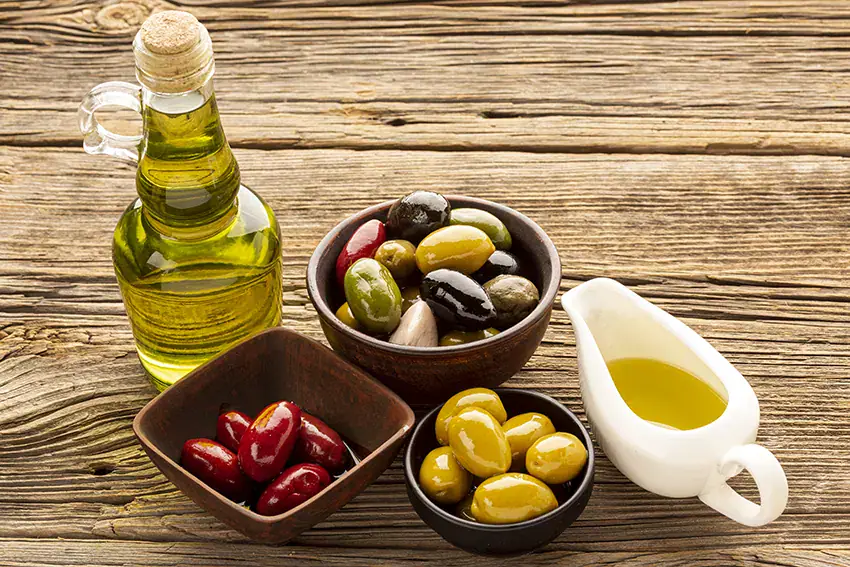
The Tunisian olive oil sector has achieved a remarkable feat, winning 30 medals in the DIDO International olive oil competition. The competition, which was held in the capital city, was part of the "Olive Festival 2026" event, organized by the Tunisian Women's Network for Olive Oil. The festival brought together producers from several countries, including Italy, Algeria, France, and Greece.
The competition, now in its fifth edition, aims to promote and enhance the value of Tunisian olive oil, enabling it to access foreign markets and compete with top global products. According to Souzen Murad, president of the Tunisian Women's Association for Olive Oil, the competition's judging process was conducted in an international laboratory accredited by the International Olive Council and holding ISO 17025 certification.
The competition awarded a total of 40 medals, including 5 Super Gold, 24 Gold, and 11 Silver medals. Tunisia's 30 medals reflect the high quality and competitiveness of its olive oil in the global market. The medals were awarded to various Tunisian producers, with one of the top prizes going to the olive oil produced by Ben Ismail farm in the region of Toukapehr, Bajah.
The award-winning olive oil from Ben Ismail farm was produced by Maher Ben Ismail. This achievement highlights the role of local producers in improving the quality of Tunisian olive oil and enhancing its presence in international competitions. Murad emphasized that Tunisian olive oil has proven its ability to compete with oils from leading countries in the sector, such as Italy and Greece.
The quality of Tunisian olive oil is not limited to its taste, but also its ability to maintain high quality over 12 months, which is a significant strength in competing with other products. To further boost its presence in foreign markets, the sector needs to invest in promotion, branding, and marketing, as well as participate in international events that allow producers to showcase their products.
The Tunisian olive oil sector has significant potential for growth, driven by its natural resources, production capacity, and historical heritage. The sector can support exports and promote Tunisian products abroad. Murad stressed the importance of preserving Tunisia's natural wealth in olive cultivation and its historical legacy, and of organizing targeted promotional campaigns to enhance the product's visibility.
The success of Tunisian olive oil in the DIDO International competition demonstrates that quality is a key factor in enhancing its global reputation. To convert this excellence into sustainable economic benefits, the sector must focus on adding value to the product, marketing it effectively, and highlighting its unique characteristics in global markets.
Key points
- Tunisian olive oil won 30 medals in the DIDO International olive oil competition.
- The competition was part of the "Olive Festival 2026" event, organized by the Tunisian Women's Network for Olive Oil.
- The sector needs to invest in promotion, branding, and marketing to boost its presence in foreign markets.