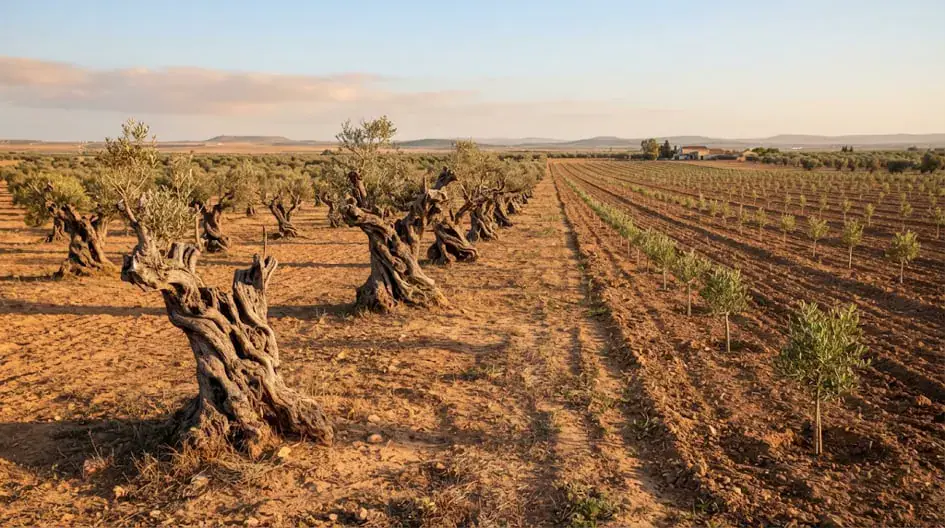
The Tunisian Confederation of Citizen Enterprises (CONECT) is pushing for significant changes to the country's olive oil industry. On November 19, 2026, a representative from the confederation's professional agriculture group met with the Assembly of People's Representatives (ARP) and the National Council of Regions and Districts (CNRD) to discuss the 2027 finance bill. The representative called for at least 50% of the expenditures from the future olive oil account to go directly to producers.
The proposed olive oil account, as outlined in Article 38 of the finance bill, would be a special treasury account funded by olive oil exports. The representative argued that half of the account's expenditures should support direct actions, such as rejuvenating aging olive groves, providing supplemental irrigation, and purchasing mechanical harvesting equipment. These initiatives aim to boost productivity and reduce harvesting costs. The representative also requested that olive oil refineries and agricultural processing units be included among the beneficiaries of environmental upgrading funding.
Another key issue is the treatment of wastewater from olive oil production, known as margines. The representative emphasized that the current practice of dumping these waste products in the environment is harming water and soil quality, as well as damaging the reputation of Tunisian olive oil abroad. To address this issue, the representative requested that Article 51 of the finance bill explicitly include olive oil refineries and agricultural processing units among the beneficiaries of environmental upgrading funding.
The CONECT representative also sought to expand export insurance support to other agricultural products. Currently, Article 42 of the finance bill provides 50% coverage for export insurance premiums to Africa. The representative requested that this support be extended to dates, packaged olive oil, and citrus fruits exported to Asia and the Gulf region, with funding from the Export Risk Guarantee Fund.
Members of parliament have also called for the government to prioritize locally produced goods in public procurement, particularly for hospitals, schools, and other public equipment. This move would support employment and save foreign exchange, provided that quality standards are met. The proposed changes aim to increase support for Tunisian producers and improve the competitiveness of the country's agricultural sector.
The olive oil industry is a significant contributor to Tunisia's economy, and the proposed changes have the potential to make a substantial impact on the sector. By directing a larger share of export earnings to producers and investing in initiatives that improve productivity and environmental sustainability, the industry can become more competitive and resilient.
The Tunisian government's response to these proposals remains to be seen. However, with the support of key stakeholders such as CONECT, it is likely that the issue will continue to be debated and addressed in the coming months. The outcome will have important implications for the future of Tunisia's olive oil industry and the livelihoods of the people involved in it.
Key points
- Tunisian olive oil producers want 50% of future olive oil export earnings to go directly to them.
Reporting sources
- Huile d’olive, la moitié pour les producteurs et les dattes à l’export · African Manager