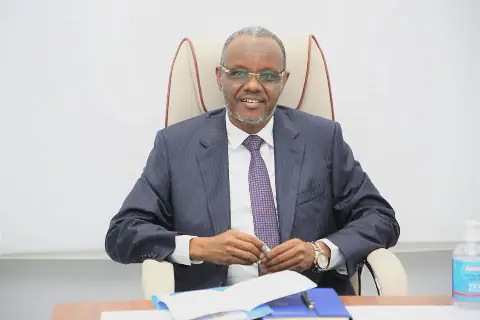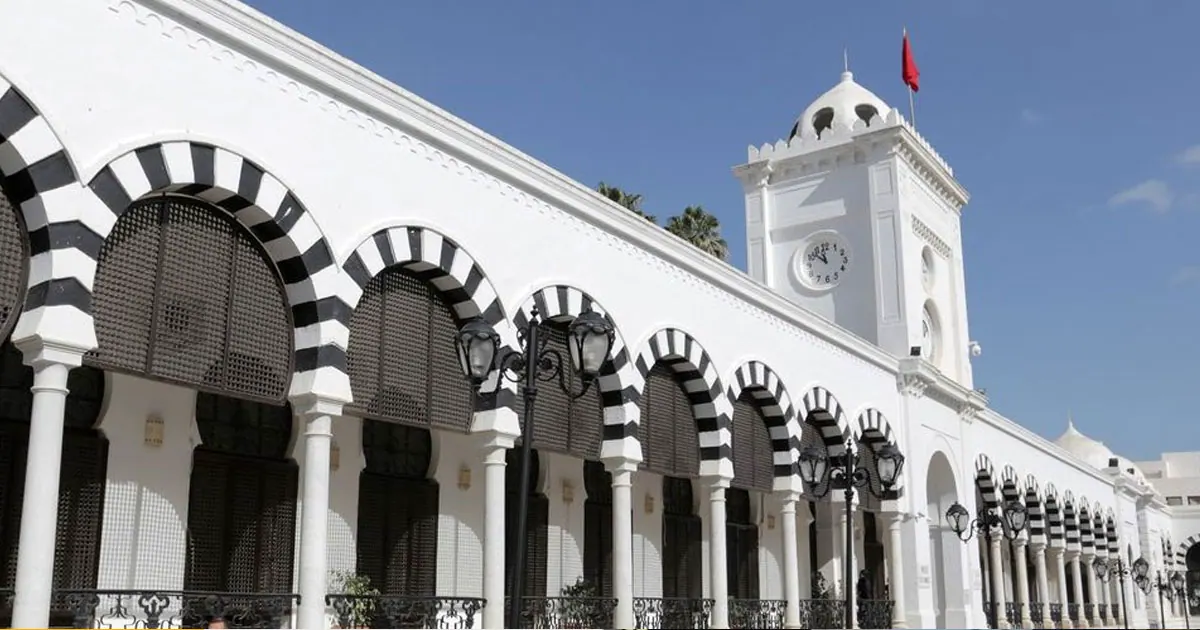
Tunisian government officials have presented a positive outlook on the country's economy, despite facing numerous challenges. Zouhair Attallah, head of the cabinet at the Ministry of Finance, stated at the 4th Arab Financial Forum in Tunis that Tunisia has shown resilience in the face of health crises, natural disasters, and global instability. He claimed the country has achieved positive growth rates and maintained inflation, deficit, and debt levels at "acceptable" rates.
The forum, organized in collaboration with the Arab Organization for Administrative Development and the Central Department of Finance of Sharjah, took place on October 6-7, 2026. Attallah attributed Tunisia's success to the efforts of public institutions and good preparation to face exceptional circumstances. He also highlighted the Ministry's reform efforts, including strengthening legal, institutional, and human frameworks, promoting good governance, and improving policy effectiveness and transparency.
However, some economists might disagree with Attallah's assessment, citing concerning macroeconomic indicators. As of 2025, Tunisia's inflation rate stands at 5.3%, with a budget deficit of 5.2% and a debt-to-GDP ratio of 82%. The unemployment rate is 15.2%, and growth is a mere 2.5%. These numbers suggest that the country's economy may not be performing as well as claimed.
A comparison with 2010 indicators reveals that Tunisia has actually regressed in several areas. The country's debt has increased significantly, and it is now borrowing heavily to finance its operating expenses, including the salaries of its large public sector workforce of 700,000 to 750,000 employees. This has raised concerns about the sustainability of the country's economic trajectory.
Many Tunisians are feeling the effects of the economic situation, with purchasing power declining and living standards deteriorating. Citizens may disagree with Attallah's optimistic assessment, pointing to the difficulties they face in their daily lives. The gap between official statements and public experience has sparked skepticism about the government's portrayal of the economy.
The Tunisian government has been criticized for downplaying economic challenges and presenting an overly positive picture. This has led to concerns about the credibility of official statistics and the effectiveness of economic policies. As the country looks to the future, it remains to be seen whether the government's strategy will address the underlying issues and improve the lives of its citizens.
The economic situation in Tunisia remains a pressing concern, with high debt levels, unemployment, and inflation posing significant challenges. While officials claim that the country is on the right track, many observers argue that more needs to be done to address these issues and ensure sustainable growth and development.
Key points
- Tunisian officials claim the country's economy is resilient despite challenges.
- Economists cite concerning macroeconomic indicators, including high inflation and debt.
- Many Tunisians disagree with the government's optimistic assessment, citing declining living standards.