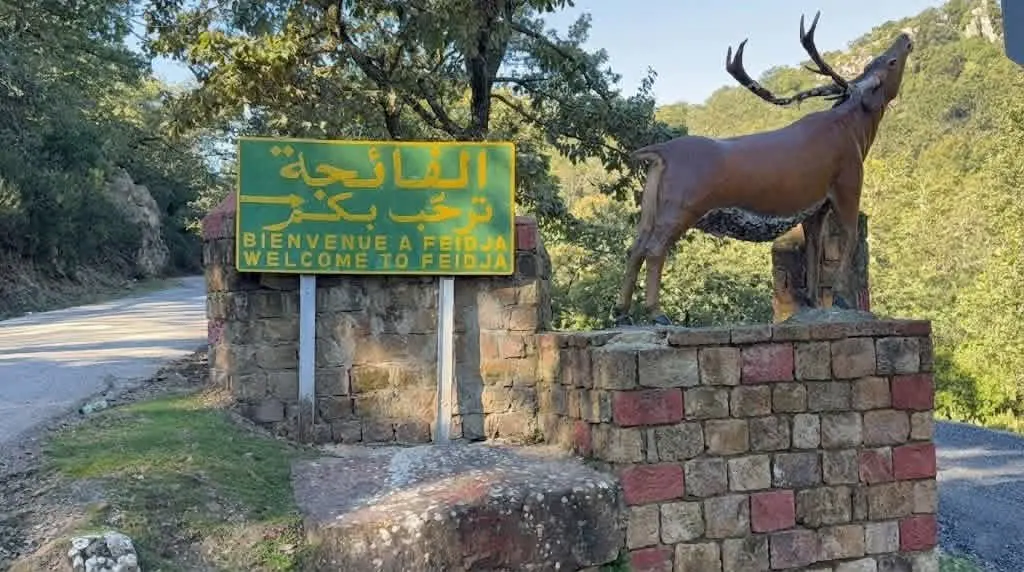
Located in the northwestern part of Tunisia, the Faija National Park is a haven for nature lovers and those seeking tranquility. The park, which is part of the Ghar El-Dmama region in Jundubah Governorate, offers a unique blend of natural beauty and biodiversity. As visitors ascend to the park, the landscape transforms, with urban areas giving way to lush forests of oak and beech trees. The park has become a popular destination for those seeking to escape the hustle and bustle of city life.
The park's museum serves as a gateway to understanding the region's rich wildlife and forest heritage. The museum features models and images that introduce visitors to the various animals and plants that inhabit the forest ecosystem. By showcasing the park's natural components, the museum provides visitors with a preliminary understanding of the park's unique characteristics. This helps visitors appreciate the park's biodiversity and understand the importance of conservation efforts.
The park's observation tower, located at Kef En-Naqsh, offers a panoramic view of the surrounding forest landscape. Forest guards use the tower to monitor the forest and respond to any potential threats, particularly during periods of high temperatures and fire risk. The guards play a crucial role in protecting the forest and ensuring visitor safety. As the park's popularity grows, there is a need for increased awareness among visitors about responsible behavior, such as not lighting fires, proper waste disposal, and respecting the park's trails and wildlife.
Preventing forest fires is a significant challenge for the park, and a robust monitoring and intervention system is in place to mitigate this risk. Quick response to fire indicators is critical in preventing the spread of fires and protecting the park's natural resources. The park's forest guards and emergency responders work together to ensure a rapid and effective response to any potential threats.
The park is home to the Atlas deer, a symbol of the region's rich wildlife heritage. The presence of this species is closely tied to the health of the forest ecosystem and the availability of suitable habitats. Conservation efforts focus on protecting the deer and its habitat, which is essential for maintaining the balance of the ecosystem. The park's unique biodiversity and natural beauty make it an essential area for conservation.
Local residents have a deep connection to the forest, which is an integral part of their daily lives and heritage. The influx of tourists presents opportunities for local communities to benefit from the park's natural resources through sustainable economic activities. However, it is essential to balance economic development with environmental conservation to ensure the long-term sustainability of the park's ecosystem.
The Faija National Park offers a unique blend of natural beauty, biodiversity, and cultural significance. The park's museum, trails, and observation tower provide visitors with a comprehensive understanding of the region's wildlife and forest heritage. As the park continues to attract visitors, conservation efforts and sustainable economic development will be crucial in protecting this natural treasure for future generations.
Key points
- The Faija National Park is a prime example of Tunisia's rich natural heritage, with a diverse range of flora and fauna.
- The park's museum and guided tours offer visitors a unique opportunity to learn about the region's wildlife and forest ecosystem.
- Conservation efforts are essential to protecting the park's biodiversity and natural resources, while also promoting sustainable economic development in local communities.