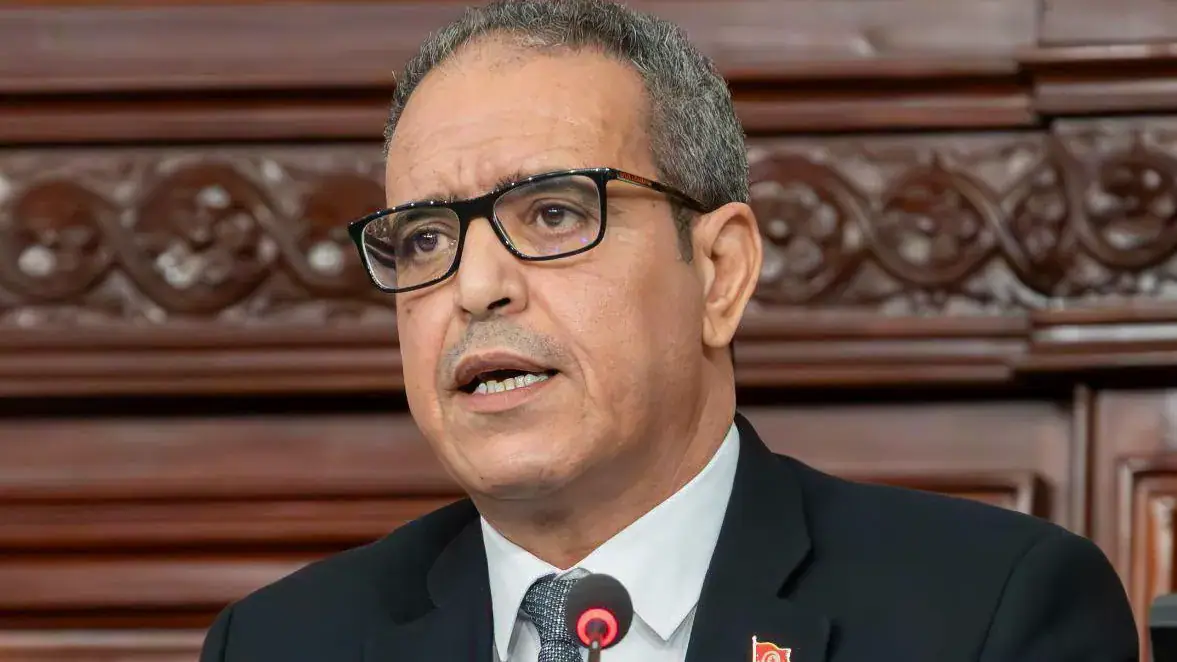
On November 9, 2026, the head of Tunisia's National Council for Regions and Districts, Imad Darbali, highlighted the importance of addressing unemployment among highly qualified individuals and long-term job seekers. Darbali emphasized that this issue remains a national priority. He called for the development of vocational training programs that align with the economy's needs and encourage investment, individual initiative, and support for start-ups.
Darbali urged that the 2027 state budget reflect the priorities outlined in the 2026-2030 development plan. He stressed that budget allocations should focus on projects and programs that meet citizens' expectations, aiming to improve living conditions, reduce unemployment and poverty, and enhance public services. This approach seeks to achieve balanced and equitable development across different regions and districts.
During a joint session of the Chamber of Deputies and the National Council for Regions and Districts, Darbali discussed the 2027 state budget, economic plan, and finance bill. He emphasized the need for harmony between planning, programming, and financing. This coordination is crucial to convert development priorities into actionable projects that can be implemented, monitored, and evaluated.
Darbali believes that economic choices must translate into tangible benefits, such as improved purchasing power, controlled inflation, and a stable supply of essential goods. He also advocates for strengthening the support and social protection system, as well as improving healthcare and education services, particularly in areas lacking basic infrastructure.
The head of the National Council for Regions and Districts praised the government's reform efforts and social measures aimed at improving the lives of citizens, especially vulnerable and low-income groups. He expressed hope that these initiatives would be expanded to benefit other social groups awaiting improvements in their living conditions and purchasing power.
Darbali noted that Tunisia faces significant economic and social challenges, requiring concerted efforts, unified energies, and enhanced trust in state institutions. He emphasized the importance of prioritizing national interests, sovereignty, and independence while working towards a productive economy, a just state, and a solidary society.
The National Council for Regions and Districts head concluded by stressing that addressing unemployment, particularly among highly qualified individuals, is crucial for Tunisia's development. He called for continued efforts to create jobs, stimulate economic growth, and improve the overall quality of life for Tunisian citizens.
Key points
- Darbali emphasizes the need for vocational training programs that align with the economy's needs.
- The 2027 state budget should reflect the priorities outlined in the 2026-2030 development plan.
- Economic choices must translate into tangible benefits, such as improved purchasing power and controlled inflation.
Reporting sources
- Établissement de la Radiodiffusion-Télévision Tunisienne · Établissement de la Radiodiffusion-Télévision Tunisienne