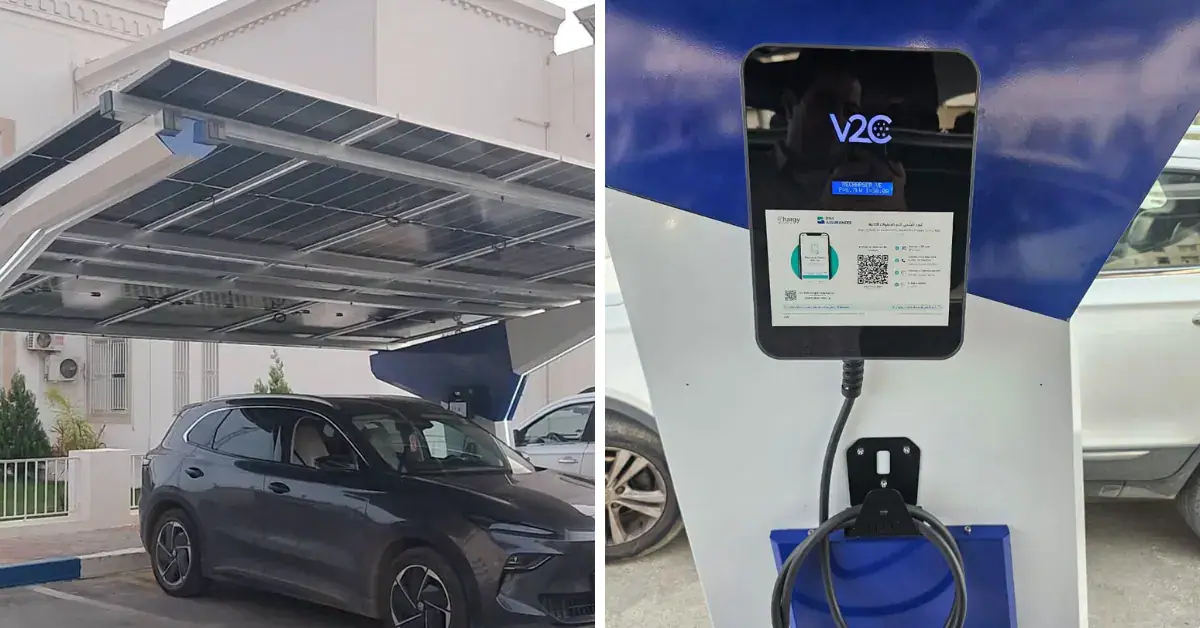
The municipality of Qarmada in Sousse Governorate, Tunisia, has announced the launch of a solar-powered station for charging electric vehicles. The station was built with the support and follow-up of the Governor of Sousse and in partnership with an insurance company. This initiative marks a new step in the municipality's efforts to adopt renewable energy and sustainable solutions, promoting a transition to a green economy and environmental conservation.
The solar-powered station is expected to contribute to the provision of clean and renewable energy, reducing fuel consumption and greenhouse gas emissions, as well as environmental pollution. The project also aims to encourage the use of electric vehicles and rationalize energy spending. By promoting sustainable transportation, the municipality hopes to reduce the long-term costs of mobility and foster a culture of environmental conservation.
The Qarmada municipality's initiative is part of a broader effort to adopt renewable energy sources and reduce dependence on fossil fuels. Tunisia has set ambitious targets to increase its use of renewable energy, aiming to generate 30% of its electricity from renewable sources by 2030. The solar-powered station in Qarmada is a step towards achieving this goal and promoting sustainable development in the region.
The project is also expected to have a positive impact on the local environment, reducing air pollution and promoting a healthier living environment for residents. The municipality's efforts to promote sustainable energy and reduce environmental pollution are in line with international trends and commitments, including the Paris Agreement on climate change.
The launch of the solar-powered station is a significant achievement for the Qarmada municipality, demonstrating its commitment to sustainable development and environmental conservation. The project is expected to serve as a model for other municipalities in Tunisia, promoting the adoption of renewable energy sources and sustainable solutions.
The Qarmada municipality's initiative has been well-received by local residents, who see the benefits of the project in terms of reduced energy costs and improved environmental quality. The project is also expected to create new opportunities for economic development and job creation in the region, contributing to the local economy and promoting sustainable growth.
The solar-powered station in Qarmada is a significant step towards promoting sustainable energy and reducing environmental pollution in Tunisia. The project's success will depend on its long-term maintenance and operation, as well as the municipality's continued commitment to sustainable development and environmental conservation.
Key points
- The Qarmada municipality's solar-powered station is a model for sustainable energy adoption in Tunisia.