Tunisian municipalities are struggling to secure financing for their development projects, despite the availability of national and international funding sources. Experts and participants at a recent workshop in Tunis, organized by UN-Habitat, noted that municipalities are finding it difficult to tap into these resources and translate their local development plans into concrete projects. The workshop was part of the "Partnership Platform for Localizing Sustainable Development Goals (SDGs) in Tunisia".
The Partnership Platform for Localizing SDGs is a global initiative that aims to translate the 17 goals of the 2030 Agenda into policies, action plans, and concrete budgets at the local and multi-level. The platform seeks to strengthen coordination between national and local institutions and equip pilot territories with practical tools for planning and implementation. In Tunisia, five pilot municipalities have been selected in coordination with UN-Habitat and the relevant governorates.
The five pilot municipalities selected are Kélibia, Sened, Sejnane, Zahret Medyen, and Bechri Fatnassa Negga. These municipalities were chosen based on their geographical, cultural, and economic specificities. The initiative recognizes that the challenge of local development lies not only in designing plans but also in the ability of municipalities to mobilize financial and technical resources to convert them into feasible projects.
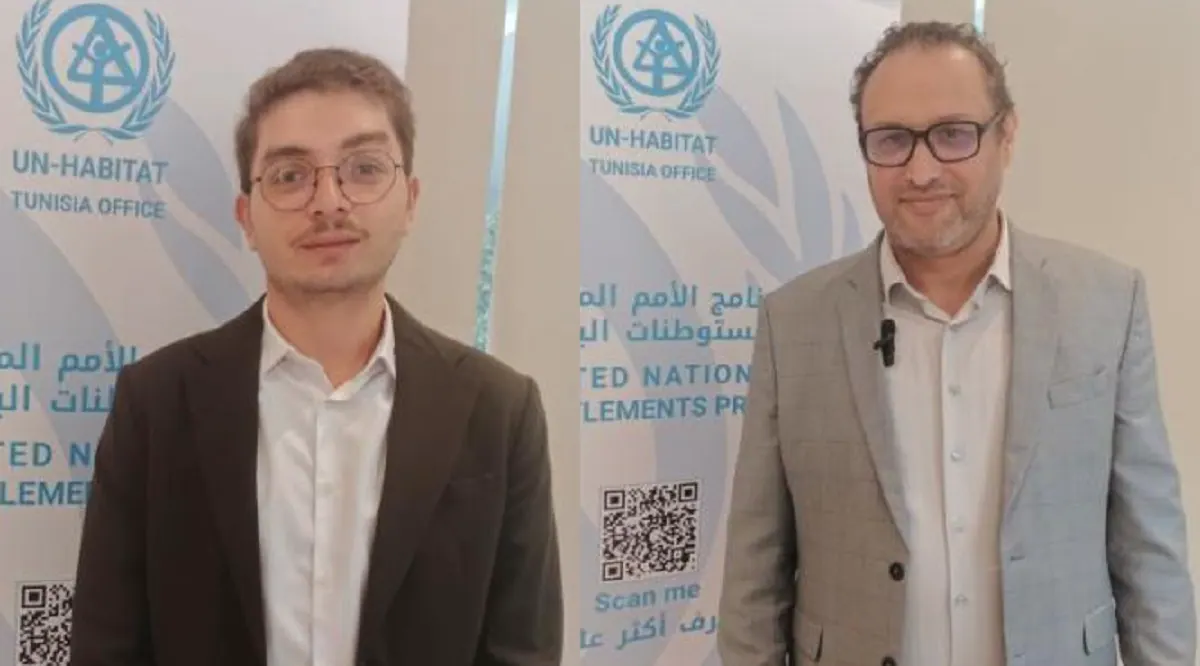
Expert in local finance, Ahmed Guidara, emphasized the importance of the platform in bringing together urban planning and finance stakeholders. He noted that plans cannot be implemented without mobilizing the necessary financial resources. Guidara also highlighted that local authorities face several obstacles, including limited capacity for savings and generating their own resources.
Guidara further noted that several available funding sources, including international financing for climate change projects, remain under-exploited. He attributed this to the lack of state support and qualified structures to develop and follow up on these projects. He called for enabling local authorities to make better use of financing offered by the Caisse des Prêts et de Soutien des Collectivités Locales in Tunisia and national programs.
Urban development specialist, Achraf Ghrib, highlighted the role of the platform as a space for municipalities, regional and local councils, experts, associations, funders, and international partners to design feasible projects at the local level. Ghrib emphasized the need for pilot municipality projects to have a regional economic, environmental, and tourist impact, creating jobs and improving the quality of life and services provided to residents.
The Partnership Platform for Localizing SDGs aims to harmonize visions and open up prospects for inter-municipal cooperation, particularly for joint climate projects. This cooperation could reduce costs and enhance the effectiveness of local investment. The platform's efforts are expected to support Tunisian municipalities in overcoming financing challenges and achieving their development goals.
Key points
- Tunisian municipalities face challenges in mobilizing funds for development projects despite existing national and international financing sources.